Industrial wastewater is characterized by variable pollutant loading, complex organic matrices, recalcitrant contaminants, fluctuating pH and salinity, which invalidate universal treatment configurations. Proper selection of treatment trains and functional chemistries is prerequisite to achieve effluent compliance, sludge minimization and resource recovery. Different industrial sectors generate completely distinct effluent characteristics, requiring targeted, customized treatment processes and reagent formulations rather than standardized treatment modules.
Adapted Treatment Solutions for Textile & Dyeing Wastewater
Textile and printing-dyeing wastewater is one of the most difficult industrial effluents to treat, featuring high chroma, high COD, low biochemical oxygen demand (BOD), refractory azo dyes, reactive dyes, residual surfactants, and dispersed colloidal particles.The stable colloidal system in textile wastewater cannot be effectively degraded by conventional biochemical processes alone.
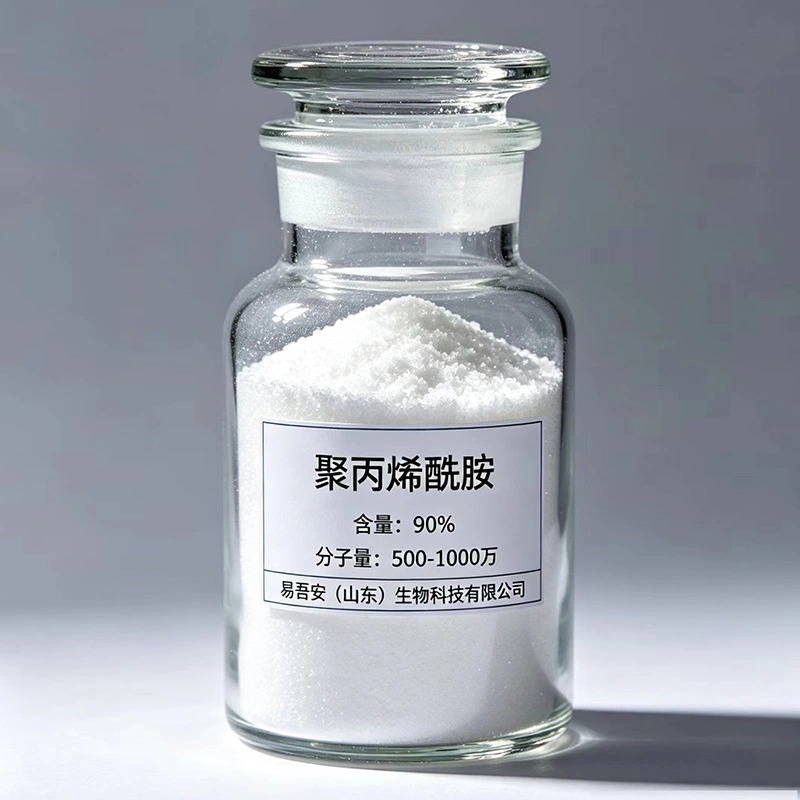
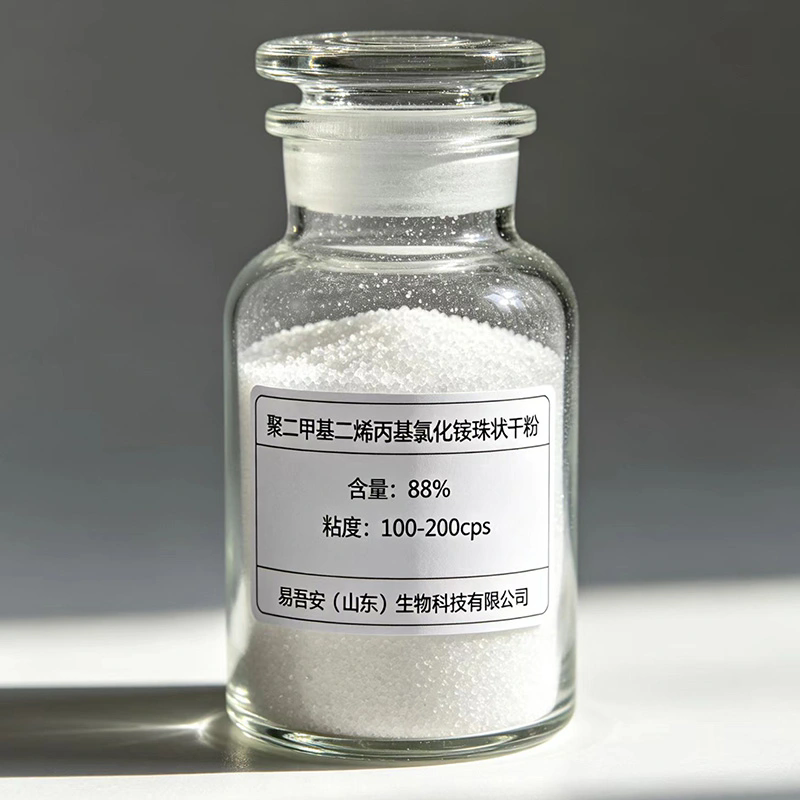
Accordingly, the optimal treatment adaptation adopts a combined physical-chemical and biochemical process. Operators typically apply high-efficiency inorganic coagulants and organic polymeric flocculants such as anionic and non-ionic PAM to destabilize suspended colloids, aggregate fine particulate pollutants, and achieve rapid decolorization and preliminary organic load reduction.
This pre-treatment effectively reduces chroma and inhibits toxic dye intermediates from impacting subsequent microbial systems, stabilizing the operation of aerobic and anaerobic biochemical tanks.
Targeted Treatment Processes for Pulp & Paper Wastewater
Pulp and paper manufacturing wastewater mainly derives from cooking, washing, and bleaching procedures, containing massive suspended solids (SS), lignin derivatives, cellulose fragments, residual alkalis, and dissolved organic matter.
Such effluent is characterized by high SS concentration, fluctuating alkalinity, and moderate organic pollution. For this industry, the core treatment adaptation focuses on solid-liquid separation and organic load reduction. Optimized coagulation-flocculation sedimentation systems are highly applicable here.
Matched cationic polymeric flocculants and composite coagulants can efficiently capture fine fiber impurities and macromolecular lignin substances, realizing rapid sedimentation and separation. This pretreatment significantly alleviates hydraulic shock load and organic shock load on subsequent bioreactors, improves sludge sedimentation performance, reduces excess sludge production, and ensures long-term stable discharge of paper mill effluents.
Advanced Combined Treatment for Petrochemical & Mining Wastewater
Petrochemical and mineral processing wastewater belongs to high-risk refractory industrial effluents, with complex pollutant matrices including heavy metal cations, aromatic hydrocarbons, phenols, petroleum derivatives, and persistent organic pollutants (POPs). These contaminants feature high toxicity, low biodegradability, and strong environmental accumulation capacity, making single physical or biochemical treatments ineffective.
The adapted treatment scheme for petrochemical and mining industries requires a multi-stage combined process: pH neutralization and chemical precipitation for heavy metal removal in the preliminary stage, ultrafiltration and reverse osmosis membrane separation for suspended impurity interception in the intermediate stage, and advanced oxidation processes (AOPs) such as Fenton oxidation and ozone oxidation to mineralize refractory organic pollutants in the advanced stage.
This multi-process coupling treatment completely removes toxic and refractory components, fully meeting strict international industrial discharge standards.
Prior to full-scale project rollout, jar tests with on-site raw wastewater samples are indispensable. Lab trials reveal the actual response of pollutants to coagulants, flocculants and process adjustments.
By correlating measured water quality profiles, local discharge regulatory limits, CAPEX and OPEX data, process engineers can fine-tune treatment workflows and reagent dosages. This empirical approach mitigates operational risks, prevents unexpected effluent breaches, and strikes a practical balance between compliance and long-term process viability.
We use cookies to offer you a better browsing experience, analyze site traffic and personalize content. By using this site, you agree to our use of cookies. Privacy Policy