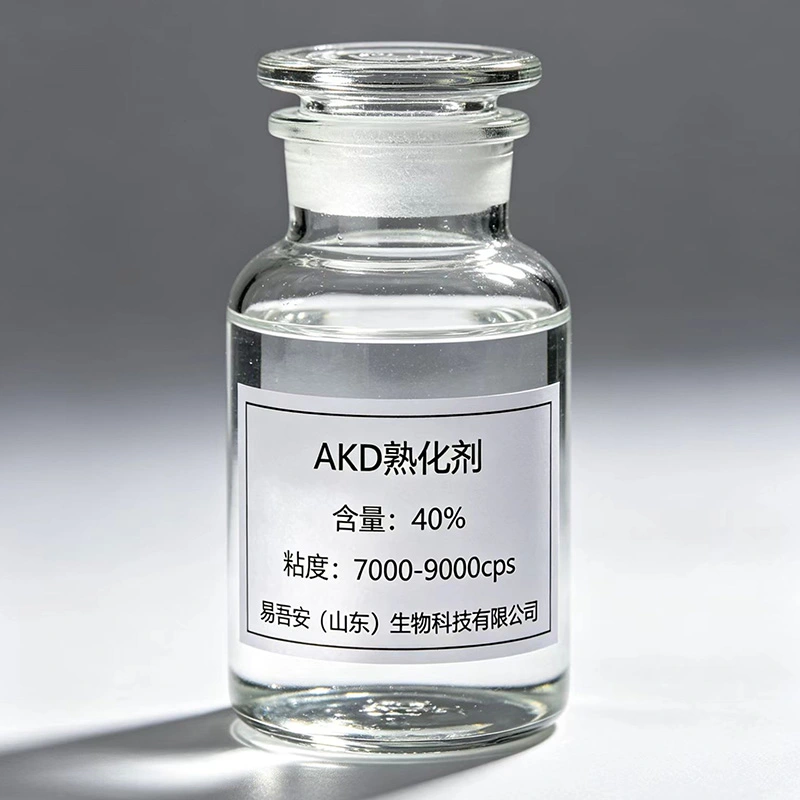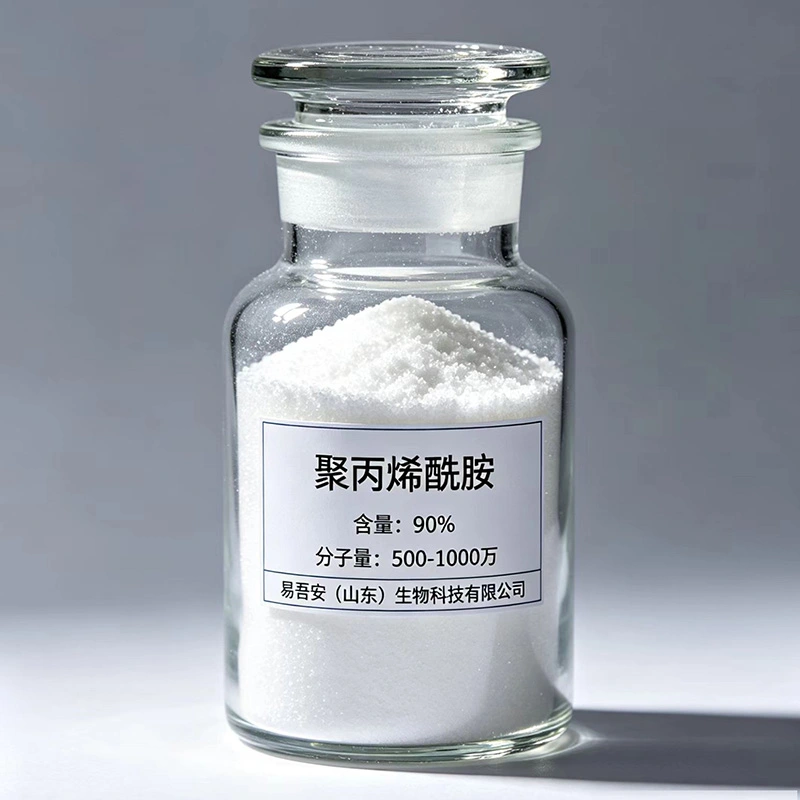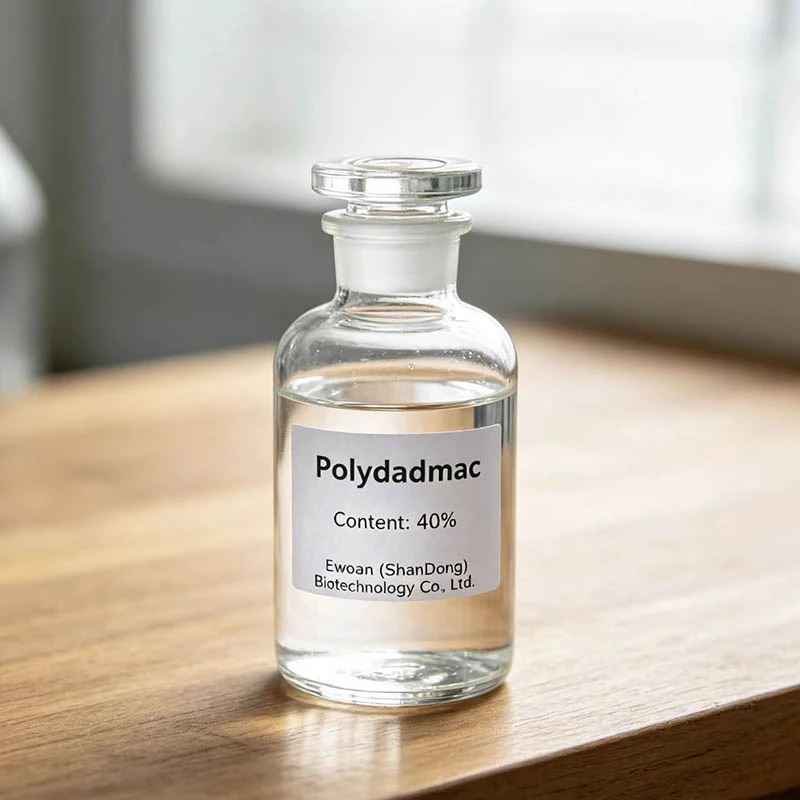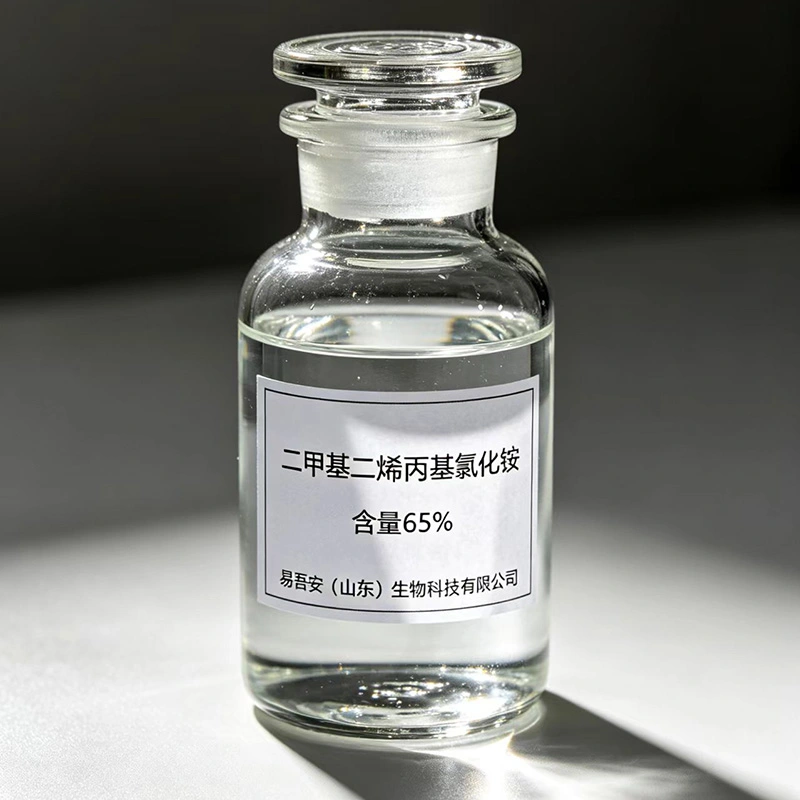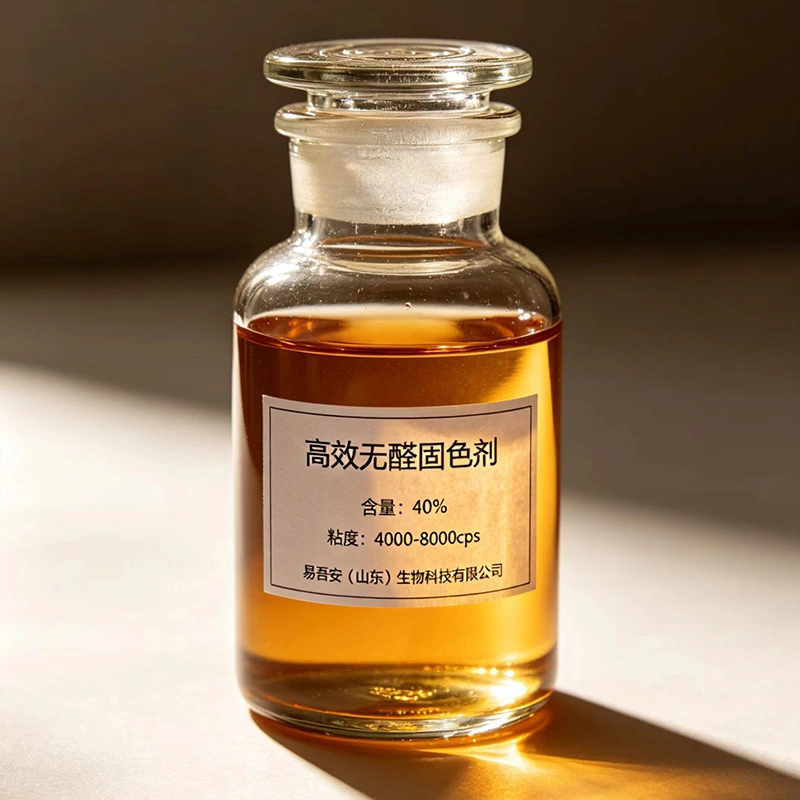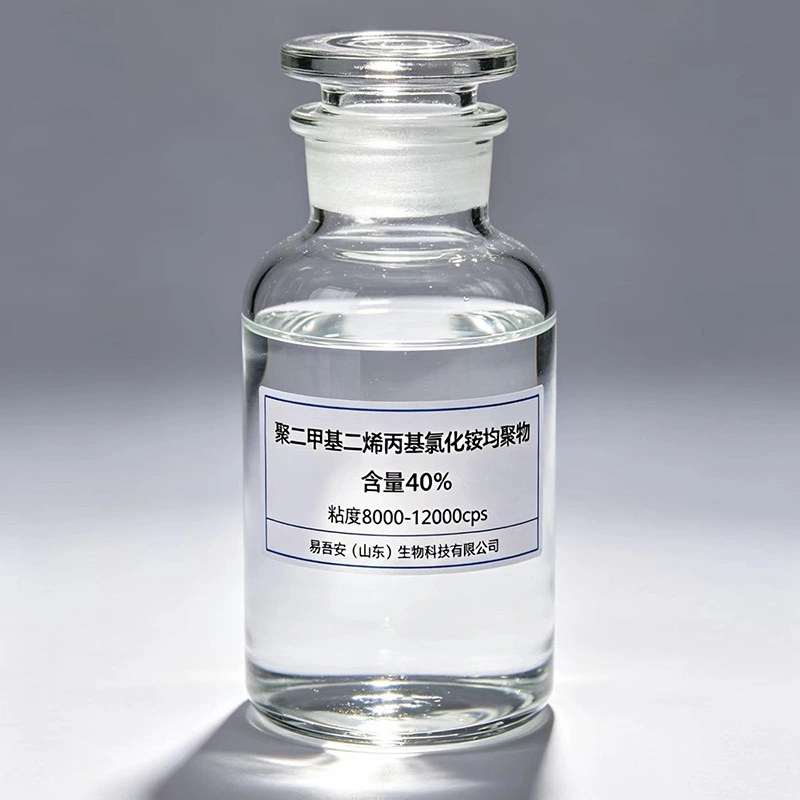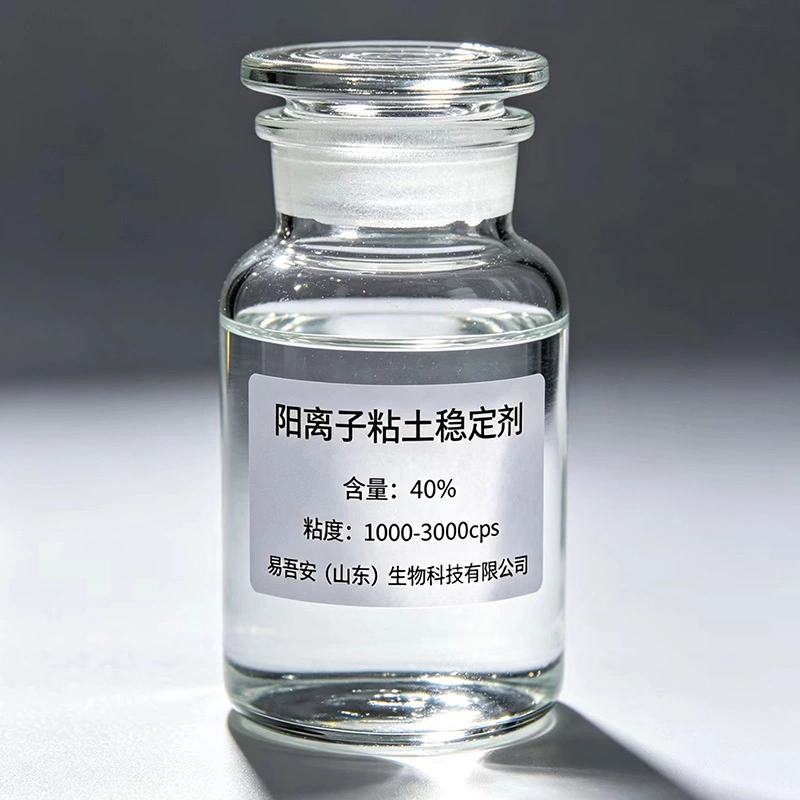


Reactive Dye Fixing Chemical for Textile Processing plays an important role in controlling dye migration, improving wash durability, and maintaining the appearance of finished fabrics. Ewooan develops this formaldehyde-free and APEO-free fixing solution for textile manufacturers that need stable post-dyeing performance across cotton, linen, viscose, Modal, and blended fabrics. Its cationic polymer structure is designed for efficient fixation while supporting modern export-oriented textile production.
Reactive dyes provide bright shades and strong fiber affinity, but unfixed dye molecules can remain on the fabric surface after dyeing. Without effective post-treatment, these residues may contribute to color bleeding, staining, poor wet rubbing fastness, and shade instability after repeated washing. A suitable fixing chemical helps capture residual dye and improve the durability of the finished textile. Ewooan's solution combines high-density cationic groups, reactive cross-linking groups, and film-forming performance to provide a multi-stage fixation mechanism. It is designed for exhaust dyeing, pad dyeing, and printing-related finishing processes, with a recommended dosage of 1%–2% o.w.f. for cotton reactive-dyed fabrics.
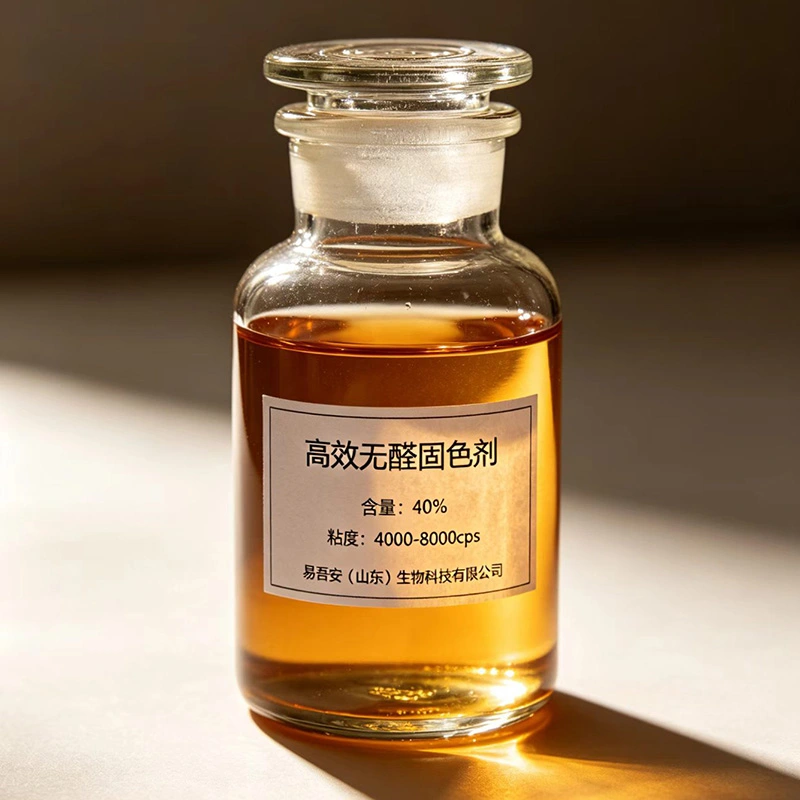
Table of Contents
- Why Is Reactive Dye Fixation Important?
- How Does the Fixing Chemical Work?
- What Are the Main Processing Benefits?
- Which Fabrics and Processes Can Use It?
- How Should Textile Mills Select a Fixing Agent?
- What Quality and Procurement Factors Matter?
- Frequently Asked Questions
- Contact Ewooan for Textile Fixing Solutions
Why Is Reactive Dye Fixation Important?
Reactive dyes are widely used for cellulosic textiles because they can create strong chemical bonds with suitable fiber groups. However, the dyeing process does not mean every dye molecule becomes permanently fixed to the fiber. Some hydrolyzed or unfixed dye can remain on the textile surface and inside accessible fiber areas.
This residual dye can become a quality problem during washing, particularly with deep shades. Color may migrate from one area of the fabric to another, stain adjacent materials, or reduce wet rubbing performance. These problems are especially important for apparel, home textiles, and export fabrics where appearance and repeated-washing durability are closely evaluated.
A dedicated fixing treatment helps address these issues after the main dyeing stage. The objective is not simply to make the fabric darker; it is to stabilize residual dye while maintaining the intended shade, softness, and functional properties of the textile.
How Does the Fixing Chemical Work?
The fixing solution described by Ewooan uses a water-soluble quaternary ammonium cationic polyelectrolyte. Its performance is based on several complementary interactions rather than simple surface adsorption alone.
1. Electrostatic Adsorption
High-density cationic groups interact with anionic dye species. This helps attract and immobilize unfixed dye molecules that remain after the primary dyeing process.
2. Molecular Cross-Linking
Reactive groups in the fixing polymer can participate in cross-linking reactions involving suitable dye and cellulose sites. This provides a more durable fixation structure than relying exclusively on physical attraction.
3. Protective Film Formation
During the appropriate drying stage, the polymer can form a thin protective film around the treated textile structure. This additional layer helps retain color and contributes to improved resistance against washing and rubbing.
The combined mechanism can be summarized as:
| Fixation Stage | Main Function | Expected Processing Benefit |
|---|---|---|
| Electrostatic adsorption | Captures residual anionic dye | Reduces loose dye and migration |
| Covalent cross-linking | Creates stronger molecular interactions | Improves washing and perspiration durability |
| Film formation | Creates a protective polymer layer | Supports rubbing and color retention performance |
What Are the Main Processing Benefits?
For textile mills, the value of a fixing agent should be measured by its influence on finished-fabric quality as well as production efficiency. Several factors make a properly selected reactive dye fixing chemical useful in modern dyeing operations.
Improved Color Fastness
Fixing residual dye after reactive dyeing can improve resistance to color loss during washing. It can also help reduce dye transfer and staining, particularly when processing intense or dark shades.
Better Performance on Deep Shades
Dark red, deep blue, black, and other saturated shades can present greater challenges because visible dye loss is easier to detect. A suitable fixing treatment helps stabilize these shades and can reduce the likelihood of repeated processing or rework.
Low-Impact Fabric Finishing
Fixing chemistry must improve fastness without creating an undesirable hand-feel or excessive shade change. Ewooan's formulation is designed to form a relatively thin film, helping maintain the softness and breathability expected from finished textiles.
Broad Process Compatibility
The fixing chemical is designed for common textile production routes, including:
- Exhaust dyeing
- Pad dyeing
- Post-dyeing finishing
- Reactive dye printing applications
- Batch and continuous production environments
Environmental Considerations
The product is formulated without free formaldehyde and APEO. For manufacturers supplying international markets, these characteristics can simplify the management of chemical-restriction requirements and customer-specific textile compliance expectations.
Which Fabrics and Processes Can Use It?
The correct fixing strategy depends on fiber composition, dye chemistry, shade depth, production route, and the required fastness level. A versatile product can therefore help textile processors standardize treatment across several product categories.
| Fabric Type | Typical Challenge | Fixing Application Value |
|---|---|---|
| Cotton | Residual reactive dye and washing loss | Improves wash and rubbing fastness |
| Linen | Surface dye migration and color bleeding | Helps stabilize residual dye |
| Viscose | Wet fastness challenges | Supports color retention after washing |
| Modal | Fine fiber structure and wet treatment sensitivity | Provides controlled post-dye fixation |
| Blended fabrics | Different fiber and dye interactions | Supports more flexible finishing processes |
For cotton fabrics dyed with reactive dyes, Ewooan specifies a standard dosage range of approximately 1%–2% o.w.f., although actual dosage should be established through laboratory trials and production-specific testing. Process temperature, drying conditions, fabric construction, shade depth, and dye selection can all affect the final result.
How Should Textile Mills Select a Fixing Agent?
Choosing a fixing chemical should go beyond comparing unit prices. A textile mill should evaluate the complete processing result and its impact on production stability.
- Dye compatibility: Confirm compatibility with the reactive dye system and other auxiliaries.
- Fiber compatibility: Test cotton, viscose, linen, Modal, or blended fabrics according to actual production needs.
- Fastness requirements: Define the required washing, dry/wet rubbing, perspiration, light, or seawater performance.
- Shade stability: Check whether the treatment causes unwanted shade change.
- Hand-feel: Evaluate softness, smoothness, and breathability after finishing.
- Environmental compliance: Verify formaldehyde, APEO, and other customer-specific chemical restrictions.
- Process compatibility: Confirm whether the product works with the existing exhaust, pad, or printing process.
- Batch consistency: Request quality documentation and compare trial results between batches.
For mills purchasing chemicals in volume, technical support is also important. Laboratory sampling before bulk procurement allows the fixing system to be evaluated against actual fabric, dye, equipment, and finishing conditions.
What Quality and Procurement Factors Matter?
Reliable textile auxiliary procurement requires consistency from raw-material preparation through finished-product inspection. Ewooan states that its fixing agent is checked for appearance, charge density, cross-linking activity, water solubility, pH stability, and environmental indicators before shipment.
| Procurement Item | What Buyers Should Check |
|---|---|
| Appearance | Uniform color and viscosity without visible sediment or phase separation |
| Solubility | Rapid cold-water dissolution and stable aqueous behavior |
| Environmental profile | Formaldehyde-free and APEO-free formulation |
| Performance | Verified improvement in required fabric fastness properties |
| Packaging | 125 kg and 200 kg PE drums or IBC totes according to purchasing volume |
| Storage | Sealed, cool, dry, ventilated conditions away from strong oxidizing agents |
The stated shelf life is 12 months under standard storage conditions. For international procurement, buyers should also confirm packaging, documentation, shipping classification, sample testing, and any destination-market requirements before placing a large order.
Frequently Asked Questions
1. Is this fixing chemical suitable for reactive-dyed export fabrics?
Yes. The formulation is free from free formaldehyde and APEO and is designed for reactive dyeing and finishing applications. Textile manufacturers should still verify their specific customer standards and conduct appropriate compliance testing before production.
2. What fabrics can be treated with this fixing chemical?
It is primarily designed for cotton, linen, viscose, Modal, regenerated cellulose fibers, and selected blended fabrics. Compatibility should be confirmed through a laboratory trial when the fabric contains multiple fiber types or uses multiple dye systems.
3. What dosage is normally recommended?
For cotton fabrics dyed with reactive dyes, the stated standard dosage is approximately 1%–2% on weight of fabric. The optimum level depends on dye concentration, fabric construction, required fastness, equipment, and drying conditions, so production trials are recommended.
4. Can it affect fabric softness or shade?
The formulation is designed to minimize unwanted changes in hand-feel and shade. Because fabric construction and process conditions vary, mills should conduct comparative testing to confirm the finished result for each production recipe.
5. Can it be used in both batch and continuous processes?
Yes. The product is designed to support common processes including exhaust dyeing, pad dyeing, and post-printing finishing. Existing production conditions should be reviewed when establishing the final application recipe.
6. What packaging options are available?
Available packaging includes 125 kg PE drums, 200 kg PE drums, and IBC totes. Packaging selection can be matched to sampling requirements, routine purchasing volumes, and inventory planning.
Contact Ewooan for Textile Fixing Solutions
Consistent color fastness requires more than simply adding a post-treatment chemical. The fixing agent, dye system, fabric composition, dosage, temperature, drying conditions, and quality-control procedure must work together. Ewooan provides textile auxiliary chemicals and technical support for manufacturers looking to improve reactive-dye finishing performance, simplify auxiliary procurement, and meet demanding export-quality requirements. If you are evaluating samples, planning bulk procurement, or need a formulation matched to a specific fabric and dyeing process, contact us to discuss your technical requirements and request a suitable testing solution.