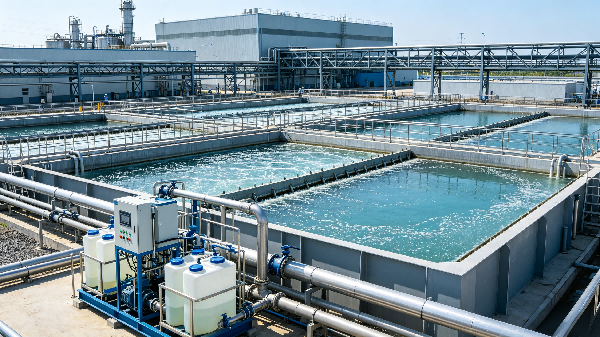
Reverse osmosis (RO) systems are widely deployed for potable water production, industrial water purification and wastewater reuse across many industries. Even so, colloidal fouling remains one of the most persistent operational headaches that undermine RO system stability. Fine colloidal particles, natural organics and suspended solids can readily pass through conventional filtration units, gradually depositing on membrane surfaces and triggering lower permeate output, elevated operating pressure and repeated cleaning cycles.
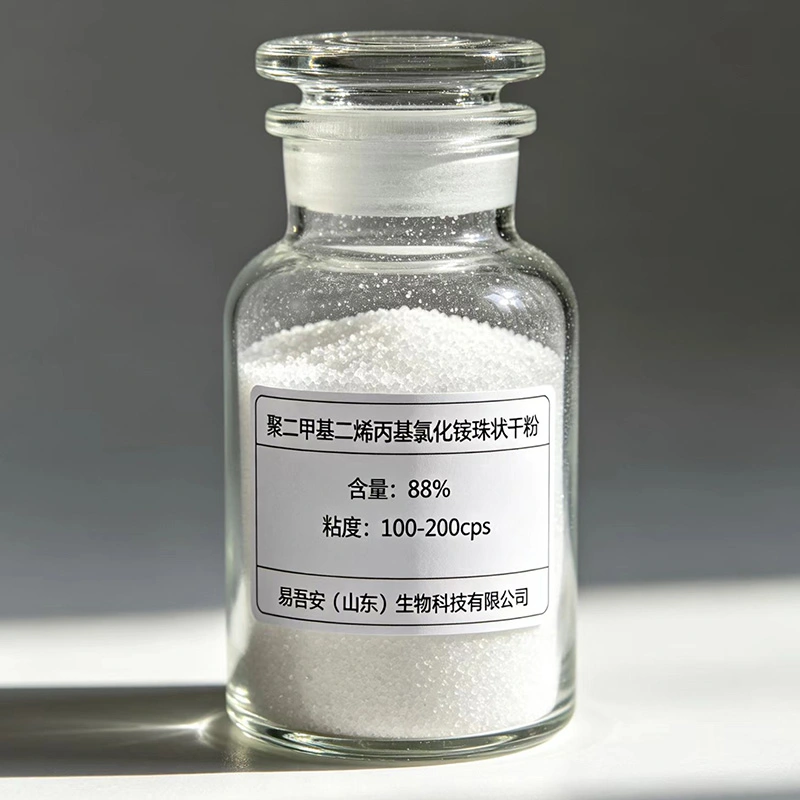
Many water treatment facilities still use conventional inorganic coagulants. Yet these chemicals frequently generate heavy sludge loads or leave metallic residuals behind, which in turn introduce secondary fouling risks to RO membranes. As a high-performance cationic polymeric coagulant, PolyDADMAC has emerged as a proven pre-treatment option to curb colloidal fouling and prolong membrane service life.
What Triggers Colloidal Fouling on RO Membranes
Raw water naturally contains abundant microscale colloidal materials, including clay fines, humic substances, organic debris and microbial byproducts. These negatively charged particles repel one another and stay suspended steadily within the water stream.
Because colloids are extremely small in size, they cannot be completely removed by sand filters or carbon filters. Once they enter the RO system, they accumulate on the membrane surface and form a dense, sticky fouling layer, which leads to reduced permeate water flow, rising transmembrane pressure difference, more frequent chemical cleaning, accelerated aging of membrane elements and higher membrane replacement costs.
How PolyDADMAC Mitigates RO Membrane Fouling
PolyDADMAC is a high-charge-density cationic polymer that addresses colloidal contamination at its source via two primary working mechanisms. First, charge neutralization breaks the stability of colloids. Colloids found in natural water carry negative surface charges. PolyDADMAC delivers strong positive charges to neutralize electrostatic repulsion, destabilizing fine suspended particles so they can cluster together.
Second, adsorption and bridging take effect. Its long polymer molecular chains link vast numbers of destabilized micro-particles into large, tight flocs. These bigger flocs can then be captured and removed by pre-filtration equipment before the water reaches RO membranes.
Field Benefits of PolyDADMAC in RO Pre-Treatment
Compared with polyaluminium chloride and aluminium sulfate, PolyDADMAC delivers high treatment performance at far lower dosages, cutting overall chemical consumption. It introduces no metallic residues, eliminating the risk of irreversible membrane fouling brought by aluminium or iron ions. The compact flocs it forms also reduce sludge output, easing sludge handling burdens and lowering operational expenses.The product can effectively remove turbidity, colour and natural organic matter to sustain consistent feed water quality and support long-term, reliable RO operation. With fewer cleaning cycles required, membrane elements are protected from damage caused by repeated chemical cleaning.
Even with its membrane-friendly properties, PolyDADMAC still requires careful dosing control. Operators should be aware that overdosing can leave residual polymer that adheres to membrane surfaces and triggers organic fouling. Industry best practice recommends running jar tests to determine the optimal dosage. The chemical should be dosed within the pre-treatment train instead of directly upstream of the RO high-pressure pump.
Colloidal fouling continues to limit the efficiency and service life of reverse osmosis systems. Field experience shows that substituting traditional single coagulants with PolyDADMAC offers a mature, cost-effective and dependable way to optimize RO pre-treatment. Capable of stabilizing water quality, reducing SDI values, easing membrane fouling and bringing down total operational expenditure, PolyDADMAC has become a vital polymeric chemical for modern water reuse and membrane asset protection.
We use cookies to offer you a better browsing experience, analyze site traffic and personalize content. By using this site, you agree to our use of cookies. Privacy Policy