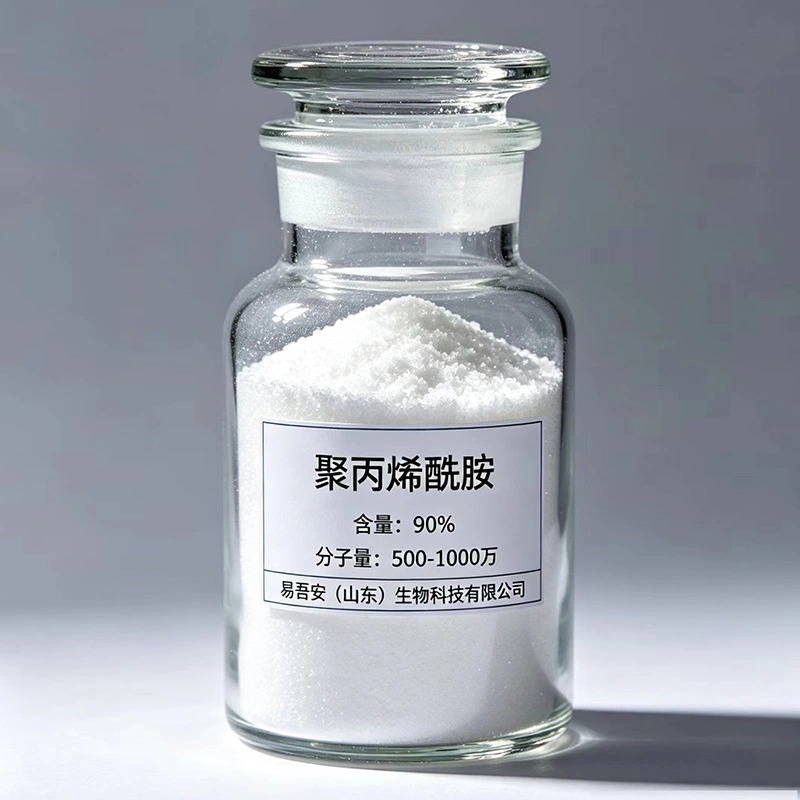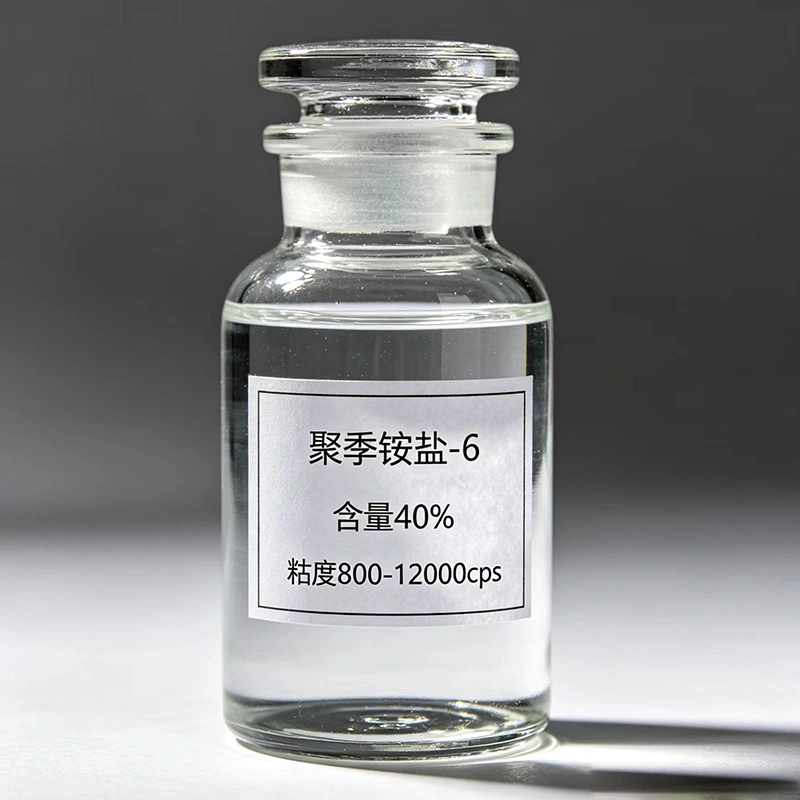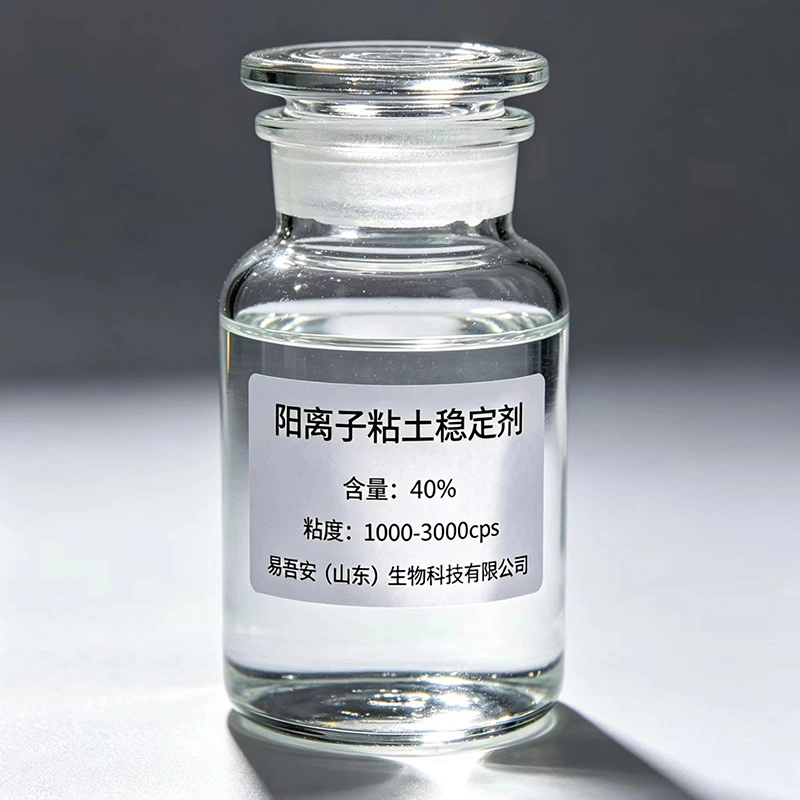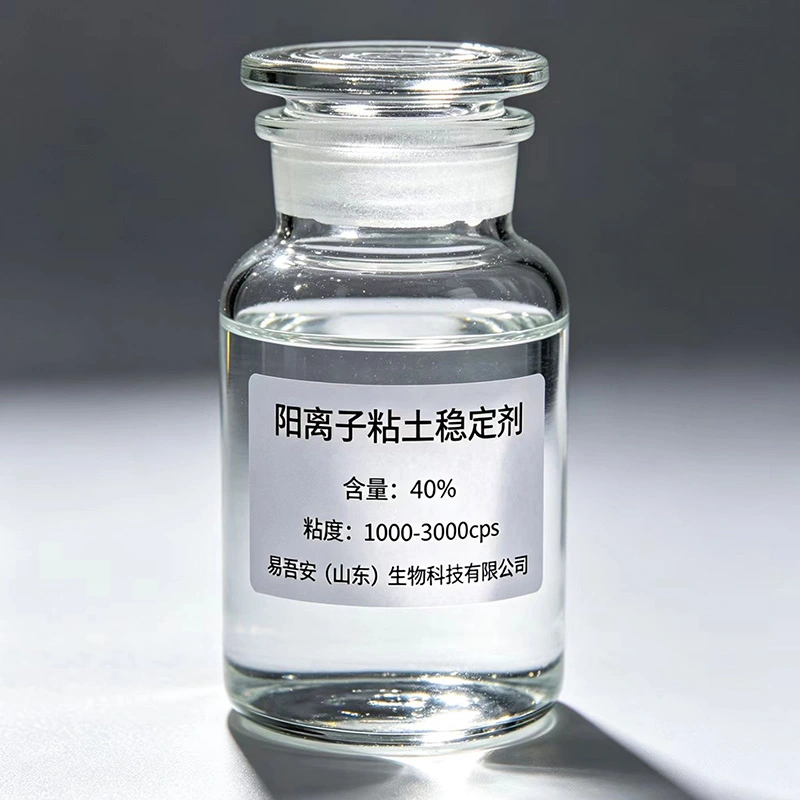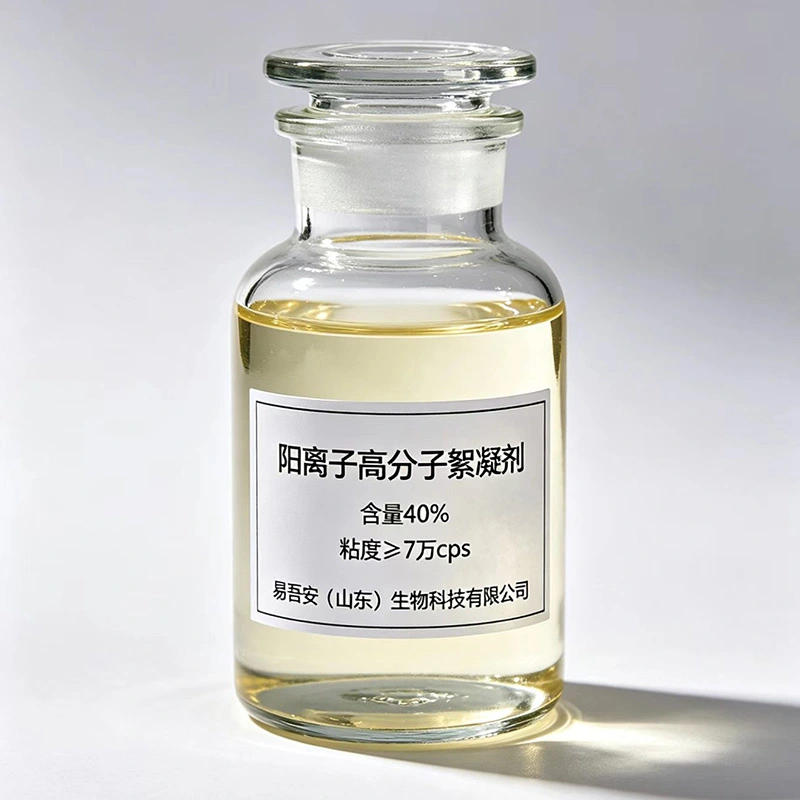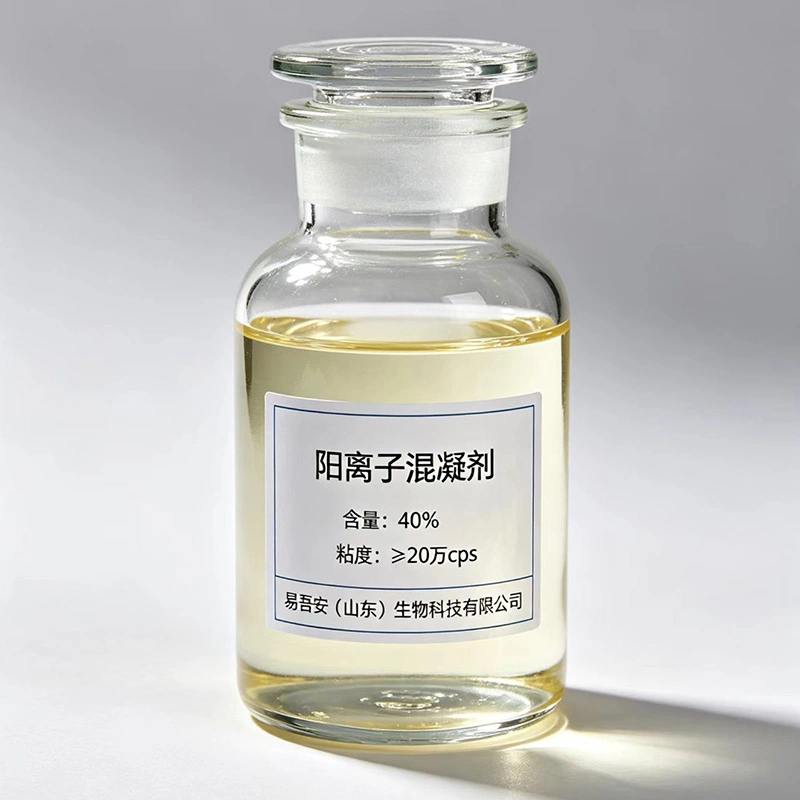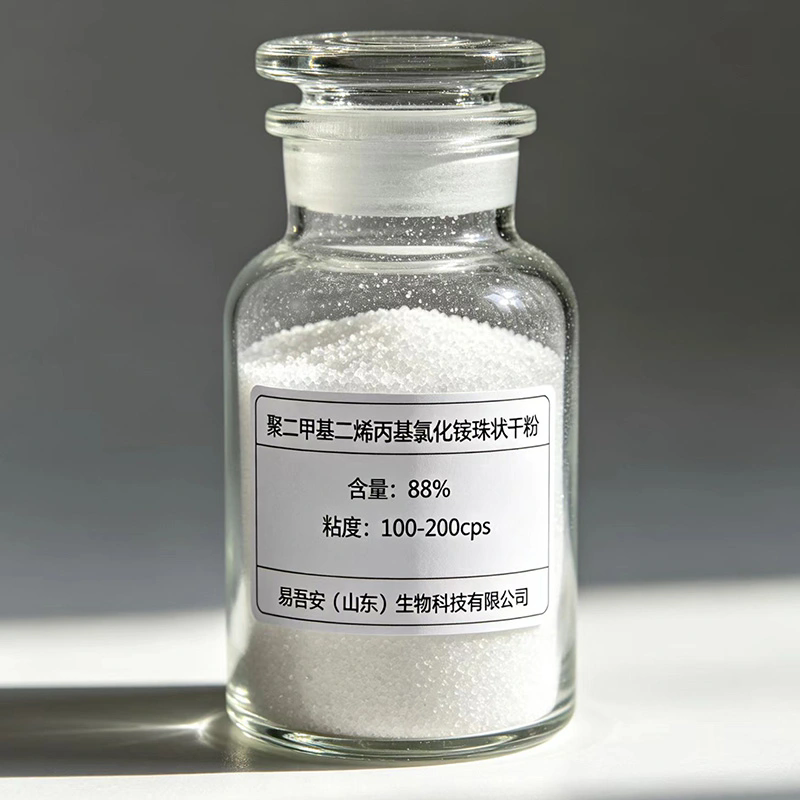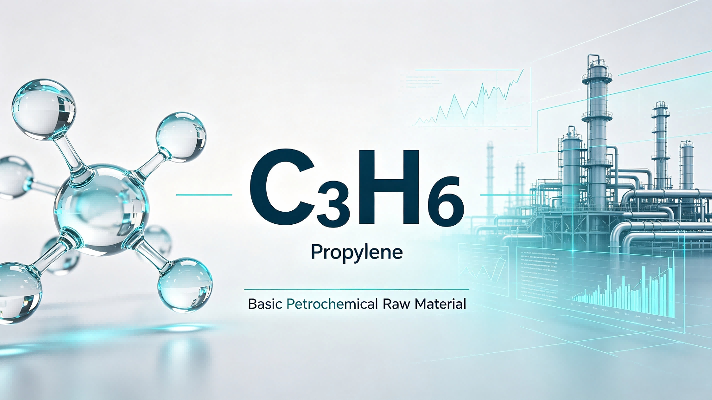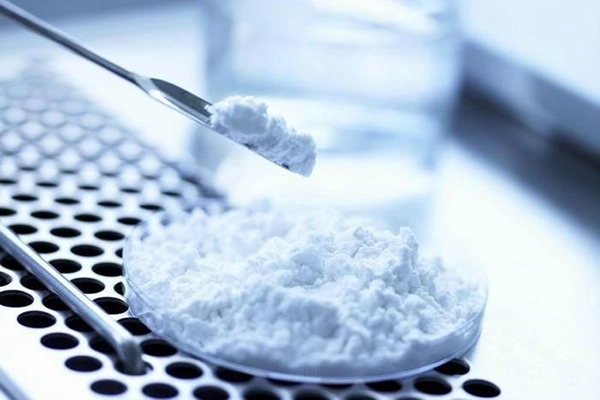
We offer a comprehensive portfolio including DMDAAC, PDMDAAC (liquid and exclusive bead/powder forms), and Polyacrylamide (PAM) series, with an annual production capacity of over 50,000 tons to meet diverse industrial needs.
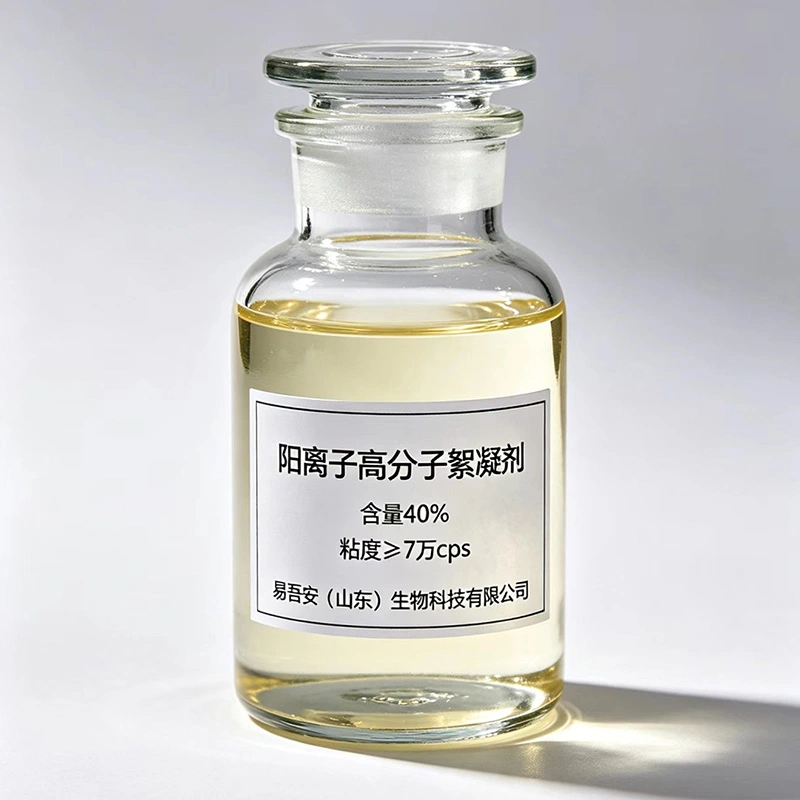
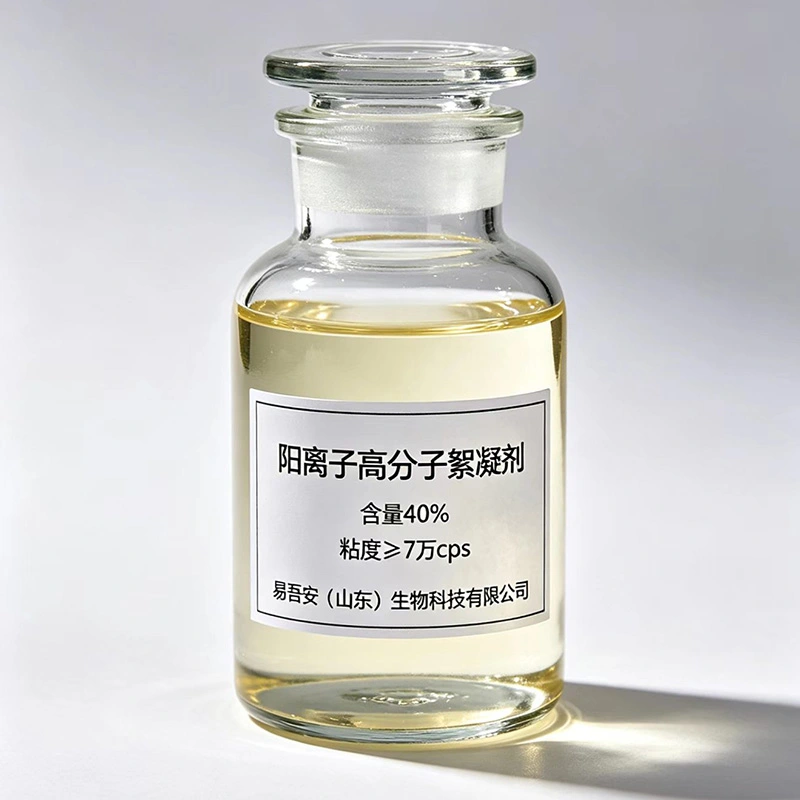
Unlike conventional inorganic coagulants and standard polymeric flocculants, this product boasts a charge density of 50%--100%. Its quaternary ammonium groups maintain stable ionization across a wide range of water conditions. Key advantages include chlorine resistance, tolerance to pH fluctuations, non-toxicity, and a ready-to-use formulation.
Certified under NSF/ANSI Standard 60, it is suitable for direct use in potable water purification as well as for industrial wastewater treatment and filtration process upgrades. Its low dosage, low sludge generation, and cost-effectiveness make it an excellent, upgraded replacement for traditional aluminum and iron-based coagulants.
| Comparison Criteria | Inorganic coagulants (aluminum salts/iron salts) | Cationic Polymer Flocculant |
| Dosage | High | Significantly lower than inorganic salts |
| Floc Volume | Large | Smaller and denser |
| Sludge Yield | High | Can reduce consumption by more than 15% |
| Effect of pH | Consumes alkalinity; pH adjustment required | pH-insensitive; no need to adjust pH |
| Residual Metals in Effluent | Yes (residual Al/Fe) | No metal residues |
| Filtration Cycle | Short | Longer-lasting |
| Chemical Dosing Equipment | Complex (requires dissolution) | Liquid form; ready to use |
1.1 Core Molecular Structure and Charge Characteristics
The product features a linear polymeric quaternary ammonium structure with a regular, stable molecular chain free from branched-chain impurities. It incorporates high-density, strong cationic groups, maintaining a stable charge density within the 50%--100% range. Upon entering the water, it dissolves rapidly and completely and disperses evenly without issues such as stratification, gelation, or precipitation. Its charge activity remains durable and stable, showing no rapid degradation due to changes in water temperature or quality.
1.2 Safety and Physicochemical Properties
This Cationic Polymer Water Treatment Coagulant is safe, non-toxic, non-flammable, and exhibits extremely low corrosivity. It possesses excellent hydrolytic stability and does not lose efficacy during long-term storage. Insensitive to pH fluctuations and highly resistant to chlorine, it is compatible with water treatment processes involving chlorine disinfection; it requires no separate parameter adjustments and offers high operational tolerance and adaptability.
1.3 Authoritative Compliance and Certification
This product holds NSF/ANSI Standard 60 certification for drinking water safety. Having undergone rigorous toxicological testing and impurity verification, it is a compliant polymer coagulant suitable for direct application in drinking water purification. It eliminates harmful residues and fully meets safety standards for municipal water supply and high-end water purification projects.
1.4 Multifunctional Comprehensive Treatment Capabilities
It integrates multiple functions—including charge neutralization, adsorption bridging, impurity entrapment, and water quality optimization—to simultaneously reduce turbidity, remove suspended solids, destabilize colloids, and settle organic impurities. It also enhances filtration efficiency, providing a one-stop solution for common water quality issues, with comprehensive performance far surpassing that of traditional single-component coagulants.
2.1 Standard Coagulation-Sedimentation Process
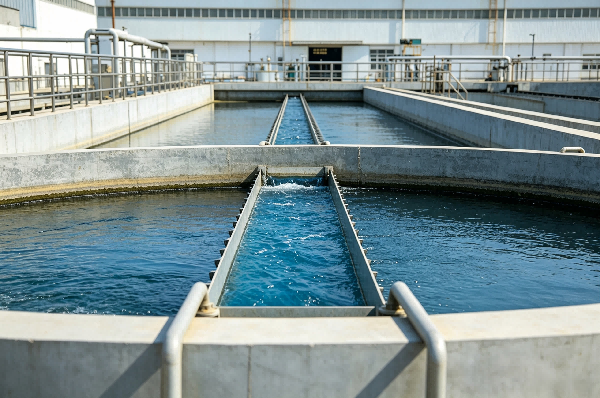
This cationic polymer coagulant is a ready-to-use liquid product that requires no complex dilution; it can be dosed directly into the rapid mixing tank of the water treatment system. High-speed agitation ensures rapid, uniform mixing with raw water, while the cationic charge neutralizes negatively charged colloids to destabilize impurities. Subsequent slow-speed flocculation agitation promotes the aggregation of micro-particles into dense, large flocs. Finally, the water enters the sedimentation tank for solid-liquid separation. The entire process is streamlined and rapid.
2.2 Specialized Direct Filtration Process
Compatible with direct filtration and contact filtration processes in water treatment plants, eliminating the need for sedimentation tanks. Upon dosing, the product rapidly alters the adsorption characteristics of the filter media, intercepting fine impurities and colloidal particles early in the process. This boosts the filter's retention capacity, effectively extending filtration cycles and increasing output efficiency. It accommodates higher flow velocities and is suitable for continuous, high-volume water purification operations.
2.3 Synergistic Application Process
Cationic Polymer Water Treatment Coagulant can be used independently as a primary coagulant, replacing inorganic agents such as PAC, aluminum sulfate, and polyferric sulfate. Alternatively, it can be used in small quantities alongside inorganic agents as a coagulant aid; this significantly reduces inorganic salt dosage, minimizes floc volume and sludge generation, and simultaneously optimizes effluent quality and the operating pressure of downstream processes.
3.1 Precise Turbidity Reduction
Targeting suspended turbidity impurities in surface water, tap water, and industrial wastewater, this product rapidly neutralizes colloidal stability and destabilizes the turbid system, causing fine, light-scattering impurities to settle quickly. Compared to traditional agents, it achieves high turbidity removal rates at low dosages; the treated water is clear and transparent, free from residual haze, and exhibits superior stability.
3.2 Thorough Capture and Removal of Fine Suspended Solids
Leveraging the adsorption-bridging effect of long-chain polymers, it captures ultrafine suspended particles that are difficult for traditional agents to handle, preventing them from penetrating filtration layers and causing effluent quality to exceed limits. It is particularly well-suited for challenging water conditions—such as low-temperature/low-turbidity water or high-turbidity water during flood seasons—ensuring stable control of suspended solids and consistent compliance with water quality standards.
3.3 Long-Term Water Quality Stability
The treated water contains no residual active colloids, eliminating issues like post-treatment re-turbidity or secondary suspension. Effluent turbidity and suspended solids levels remain stable, significantly reducing the operational load and cleaning frequency for downstream precision filtration and advanced treatment equipment, thereby saving energy and maintenance costs.
4.1 Dosage and Treatment Efficiency
Traditional inorganic coagulants (such as aluminum or iron salts) require high dosages, act slowly, and suffer from high reagent loss. In contrast, this product is a high-efficiency organic polymer; typical dosages for drinking water are only 0.2--6 mg/L (or 0.2--1 mg/L when used as a coagulant aid). Superior purification results are achieved with extremely low dosages, vastly improving reagent utilization efficiency.
4.2 Sludge Production and Disposal Costs
Inorganic coagulants generate large volumes of inorganic sludge, resulting in high solid waste disposal costs. This product effectively reduces sludge production by 15% or more; the resulting flocs are dense and have low water content, significantly lowering costs across the entire sludge management process—including transport, filter pressing, and harmless disposal—thereby offering a distinct cost-performance advantage for long-term operations.
4.3 Differences in Water Quality Adaptability and Process Compatibility
Traditional inorganic agents have narrow pH operating ranges and lack chlorine resistance, often failing in acidic/alkaline conditions or in the presence of chlorine. In contrast, this product features quaternary ammonium groups that remain stably ionized; it is insensitive to pH fluctuations and offers excellent chlorine resistance, ensuring stable operation across acidic, neutral, and alkaline water conditions without the need for frequent process parameter adjustments.
4.4 Differences in Filtration Process Performance
Traditional agents tend to form loose flocs that clog filter media, shorten filtration cycles, and reduce water output. This product optimizes the surface characteristics of filter media, resulting in longer filtration cycles, higher flow capacity, and greater water production efficiency—making it perfectly suited for the high-efficiency filtration processes used in modern water treatment plants.
4.5 Differences in Water Safety and Residual Control
Aluminum-based agents often cause secondary pollution issues, such as excessive residual aluminum and increased Total Dissolved Solids (TDS). This product is non-toxic and leaves no harmful residues; it holds NSF certification for drinking water, ensuring the treated water is free from heavy metals and harmful impurities, thereby achieving a higher level of water safety.
5.1 Municipal Drinking Water Purification
Backed by authoritative drinking water safety certifications, this product is widely used for raw water pre-treatment and advanced purification in municipal water plants. It efficiently removes turbidity, natural colloids, and trace organic impurities without leaving harmful residues, ensuring safe drinking water for residents and suiting various public water supply projects.
5.2 Municipal Wastewater Advanced Treatment
Used in coagulation-sedimentation and advanced quality-improvement stages for municipal domestic sewage, it effectively reduces suspended solids and color, improves compliance rates for effluent quality, reduces sludge generation at treatment plants, and lowers municipal wastewater operation and maintenance costs.
5.3 Standardized Treatment of Various Industrial Wastewaters
Suitable for industrial wastewater from sectors such as chemicals, light industry, textiles, and manufacturing. It provides stable treatment for complex acidic/alkaline wastewater, chlorine-containing wastewater, and wastewater with high suspended solids. It overcomes the limitations of traditional agents—such as poor operational adaptability and incomplete treatment—ensuring stable, compliant discharge of industrial wastewater.
5.4 Quality Enhancement for Industrial Circulating Water and Filtration Systems
Designed to optimize industrial circulating cooling water and process filtration systems, this product captures impurities and stabilizes water quality. It minimizes filter media clogging and equipment scaling/sedimentation, extends maintenance intervals, and ensures the continuous, stable operation of industrial production lines.
6.1 Core Procurement and Acceptance Standards
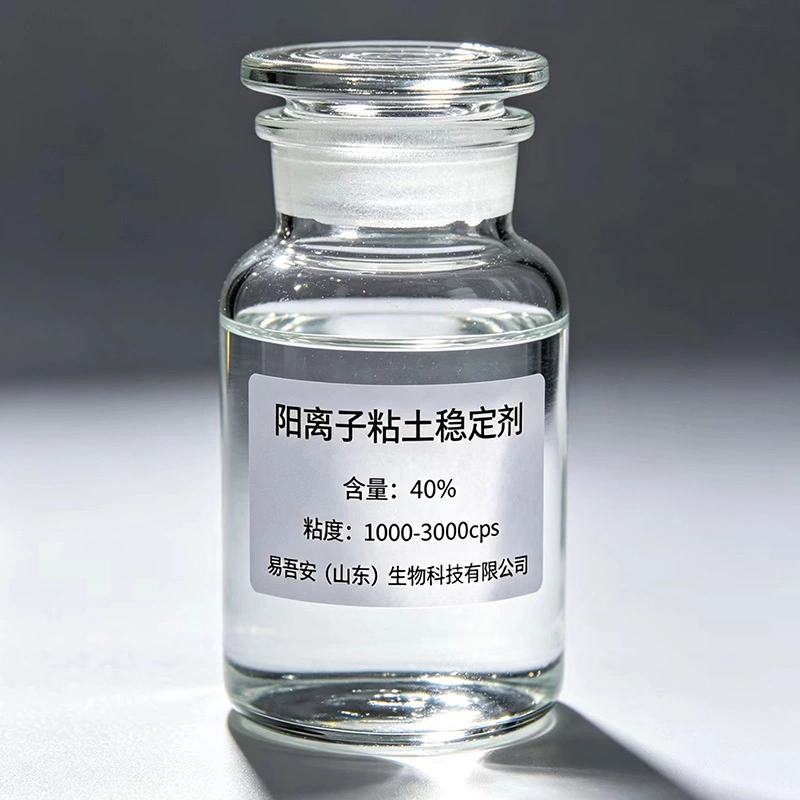
Appearance: Uniform, viscous liquid ranging from colorless to pale yellow; free from separation, sediment, or impurities.
Performance: Controllable charge density (50%--100%); rapid water solubility; gel-free; resistant to chlorine and pH fluctuations.
Safety: Compliant with NSF/ANSI 60 standards for drinking water safety; non-toxic, low corrosivity, and free from secondary pollution.
Operational: High efficiency at low dosage; significant sludge reduction; excellent compatibility with filtration systems.
6.2 Standardized Packaging and Storage/Transport Specifications
Standard packaging options include corrosion-resistant PE drums and IBC totes, featuring strong sealing, leak-proof, and moisture-proof properties suitable for long-distance maritime and overland export. Store in a sealed container in a cool, dry environment, strictly avoiding contact with strong oxidizing agents. Classified as non-hazardous, the product has no special transport restrictions and facilitates smooth cross-border customs clearance.
6.3 Shelf Life and After-Sales Support
Shelf life of up to two years under standard storage conditions, with stable performance and no degradation during long-term storage. The manufacturer provides factory quality inspection reports and qualification certificates, and supports sample testing, on-site operational commissioning, and technical consultation to ensure successful implementation.
6.4 Advantages of Direct Manufacturer Supply
Ewooan supplies products directly from the factory, eliminating intermediary markups. We support small-batch sampling, large-scale project procurement, and long-term strategic partnerships with price-locking options. Customized specifications, formulations, and comprehensive water treatment solutions are available based on specific customer operational requirements.
Q1: Can this Cationic Polymer Water Treatment Coagulant be used directly for drinking water treatment?
Yes. This product is certified under NSF/ANSI Standard 60 for drinking water safety. It has undergone rigorous health risk assessments, is non-toxic, and leaves no harmful residues. It is a compliant polymer coagulant suitable for the direct purification of tap water and potable water, offering safety and reliability far superior to standard industrial-grade chemicals.
Q2: How should the actual dosage be determined?
The standard dosage for drinking water treatment is 0.2--6 mg/L; when used as a coagulant aid, the dosage is only 0.2--1 mg/L. For actual operations, conducting preliminary beaker tests is recommended to fine-tune the dosage based on raw water turbidity and pollutant concentrations, ensuring optimal treatment results with the minimum amount of chemical.
Q3: What are its core advantages compared to traditional PAC or iron-based coagulants?
Key advantages include lower dosage requirements, reduced chemical costs, and a sludge volume reduction of over 15%. It is compatible with complex water qualities—including acidic, alkaline, or chlorinated water—without altering basic water parameters or causing secondary pollution. Additionally, it optimizes filtration processes and extends filter run times, significantly lowering overall operation and maintenance costs.
Q4: Is it suitable for filtration process upgrade projects?
It is highly suitable. This product optimizes the adsorption properties of filter media and enhances filtration interception efficiency. It effectively extends filter run times, increases water output, and improves hydraulic loading capacity, making it an ideal choice for quality-improvement upgrades in various water purification processes, such as direct filtration and contact filtration.
Address
Wanhong Plaza, Jinan City, Shandong Province, China
Tel