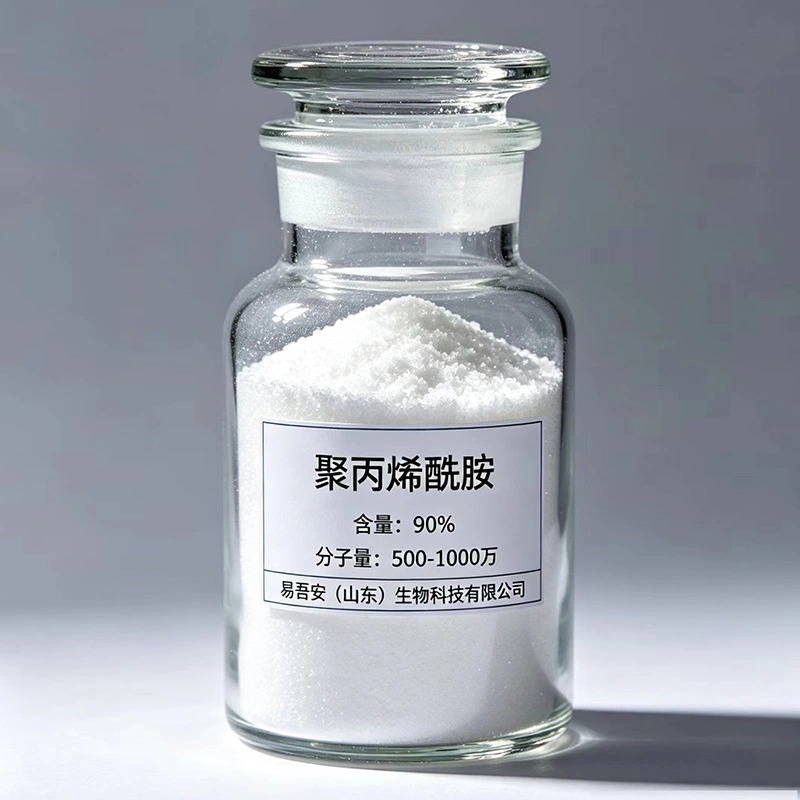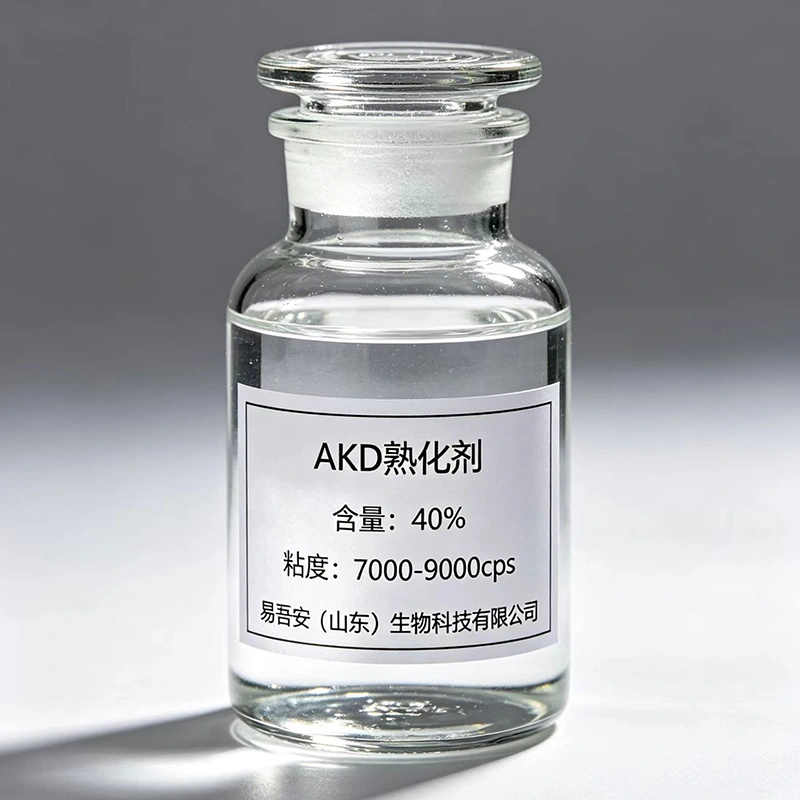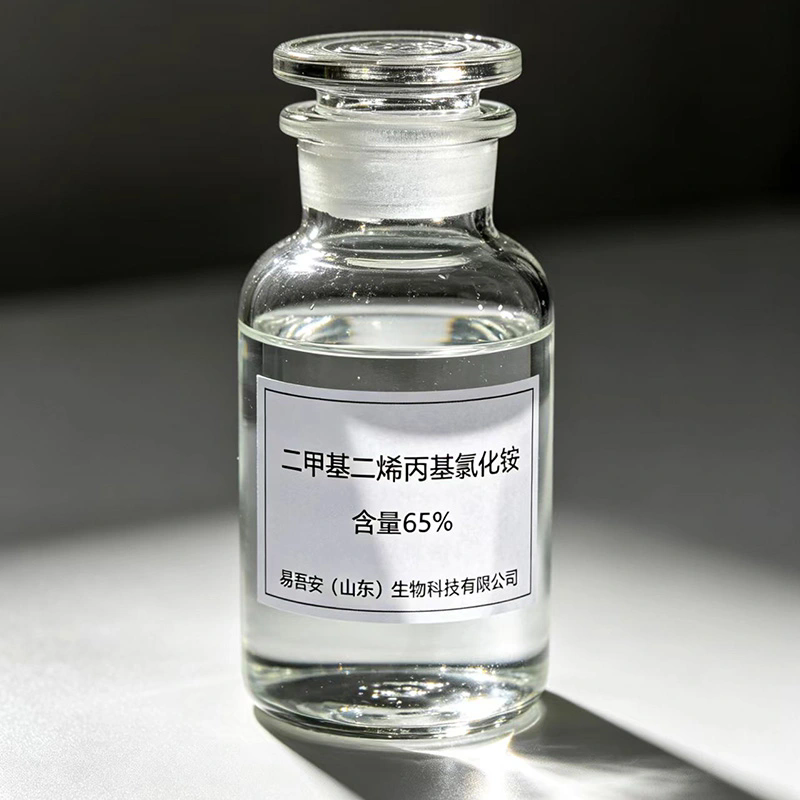
We offer a comprehensive portfolio including DMDAAC, PDMDAAC (liquid and exclusive bead/powder forms), and Polyacrylamide (PAM) series, with an annual production capacity of over 50,000 tons to meet diverse industrial needs.
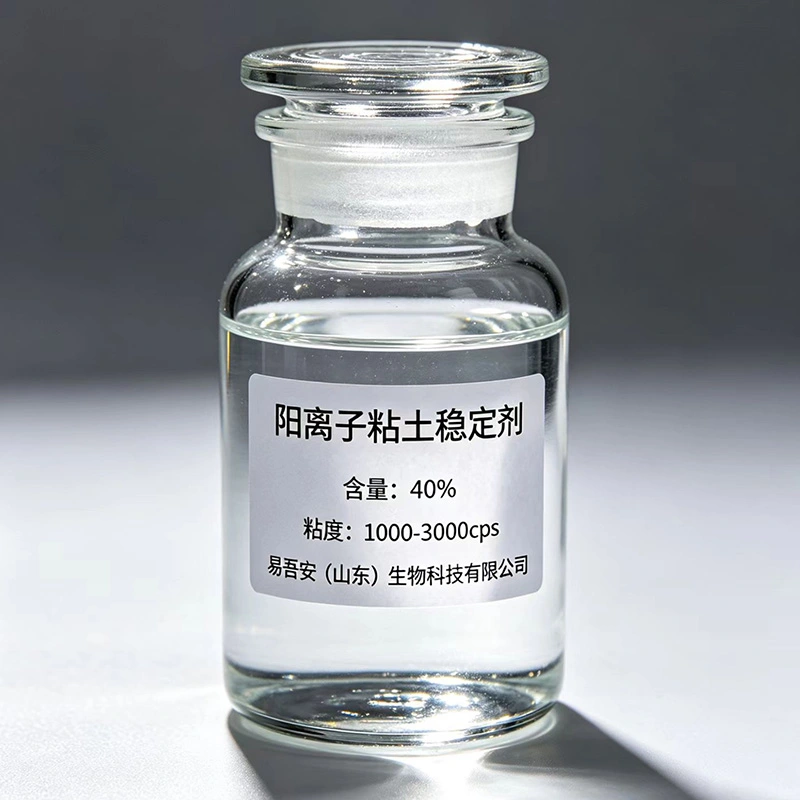
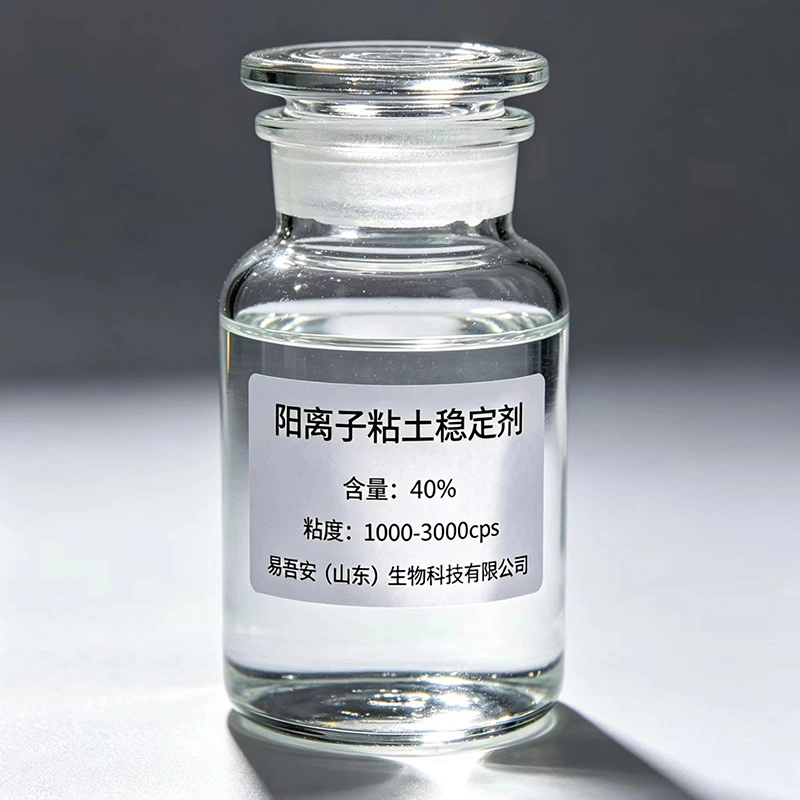
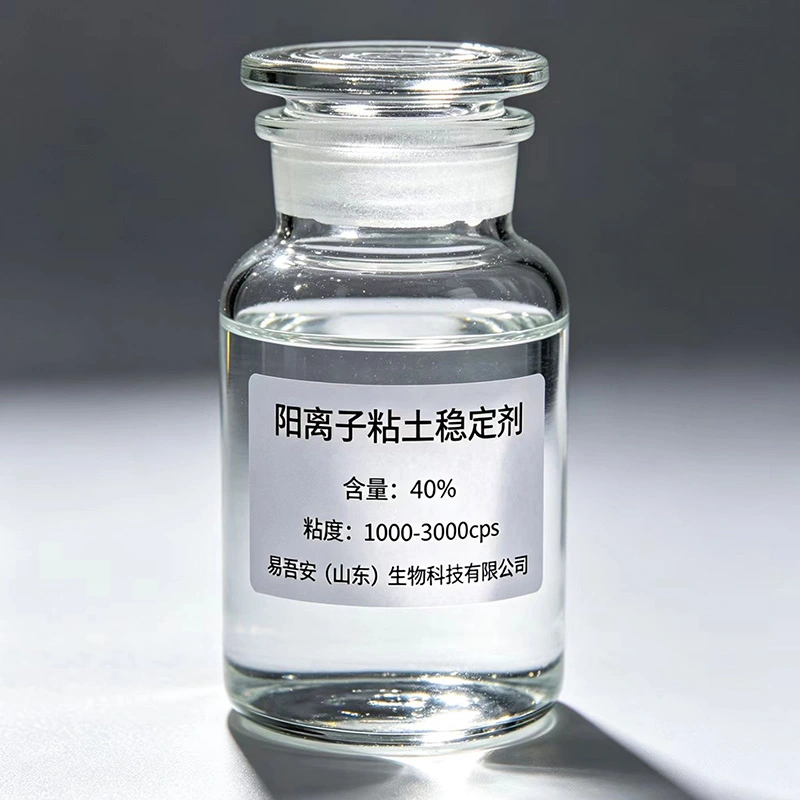
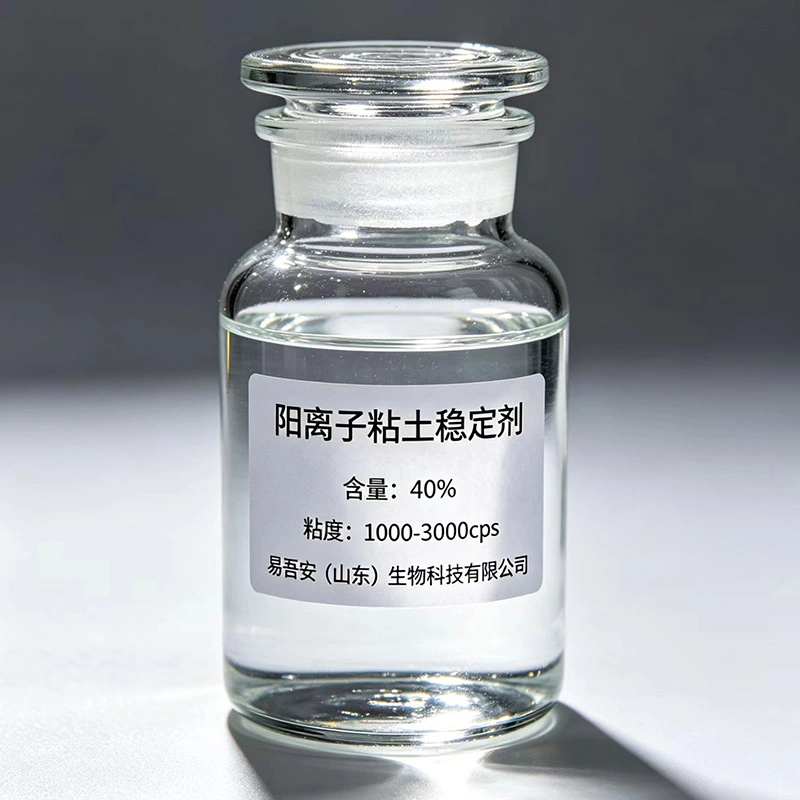
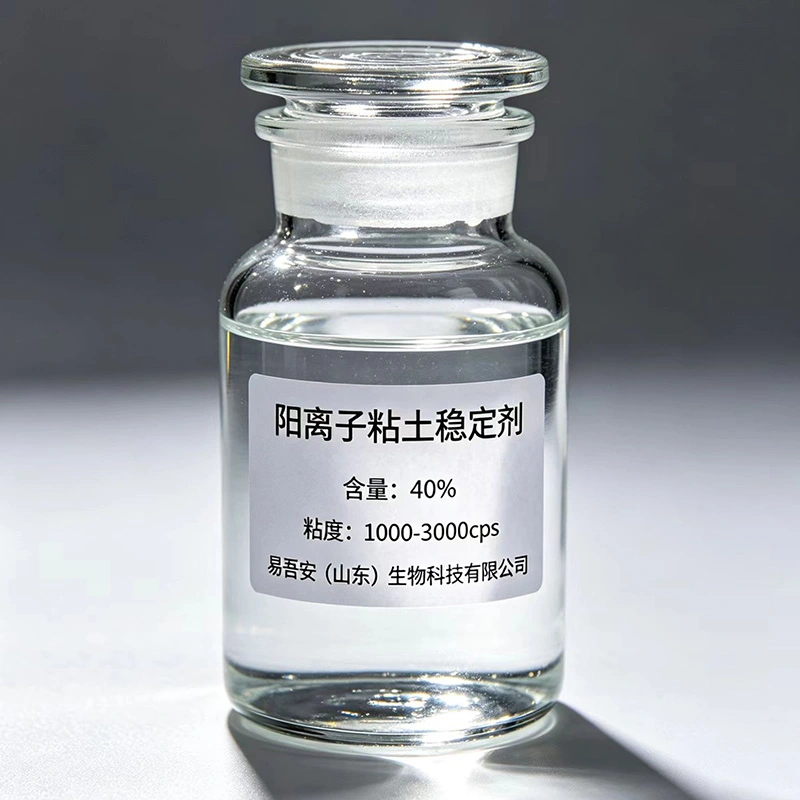
Oilfield Water Injection Chemical Additive is a water-soluble, strongly cationic polyelectrolyte based on quaternary ammonium salts. It appears as a uniform, viscous liquid ranging from colorless to pale yellow. Key physicochemical advantages include non-toxicity, non-flammability, rapid cold-water solubility, strong cohesive properties, excellent hydrolytic stability, and compatibility with a wide pH range.
Developed to address common challenges in long-term water injection operations—such as clay mineral hydration/swelling, particle migration, and pore-throat plugging—it effectively resolves critical issues like rising injection pressure, declining injection volumes, and reduced formation permeability.
Leveraging its low-viscosity, high-penetration characteristics, the additive reaches deep into the reservoir. Through multiple chemical mechanisms, it provides long-lasting clay stabilization and formation protection; a single treatment remains effective for over a year. It stably reduces injection pressure by 3--5 MPa and increases injection volume by 10%--15%. Compatible with various water quality systems, it is a key specialized additive for secondary recovery, injection stabilization, production enhancement, and improved recovery rates.
1.1 Product Definition and Physicochemical Properties
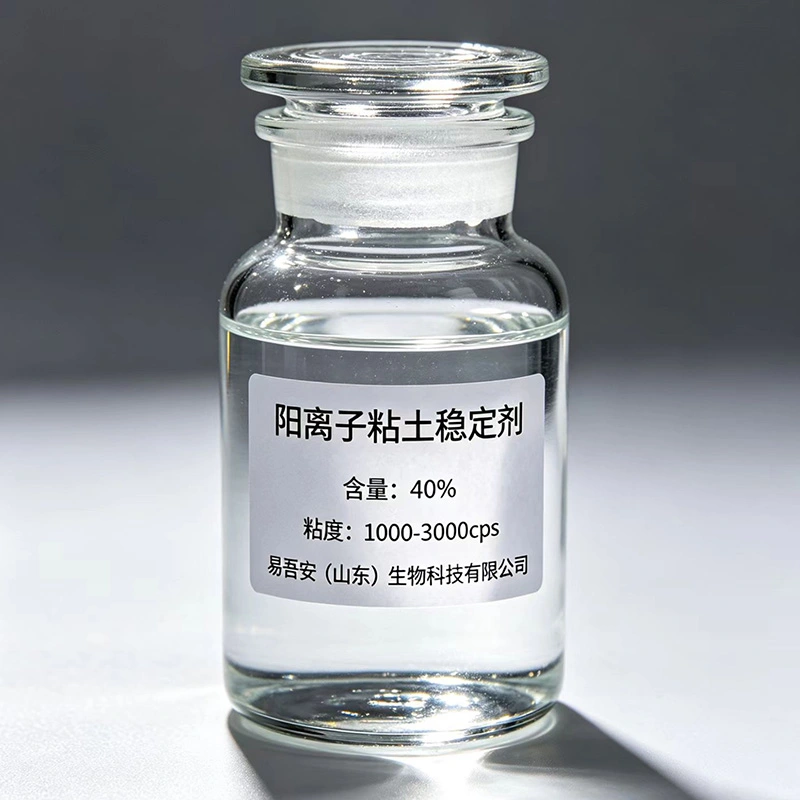
This Oilfield Water Injection Chemical Additive is a low-molecular-weight, strongly cationic polymer specifically engineered for oilfield water injection operations. Unlike conventional clay stabilizers used in drilling or fracturing, it is designed for long-term, continuous water injection systems. The product features extremely low viscosity—ranging from 0.83 cP to 2.32 cP at temperatures between 24°C and 98°C—ensuring exceptional fluid penetration. It is chemically stable and highly resistant to hydrolysis, remaining unaffected by typical pH fluctuations in the formation or injected water, thereby ensuring outstanding long-term stability downhole.
1.2 Core Components and Functional Positioning
The molecules are rich in high-density quaternary ammonium cationic active groups, offering multiple functions including irreversible electrostatic adsorption, charge neutralization, and crystal-layer sealing. This enables comprehensive reservoir protection beyond mere near-wellbore shallow-zone coverage. The product is eco-friendly, non-toxic, and pollution-free, meeting green standards for oilfield water injection development; it serves as a substitute for traditional, less efficient inorganic salt stabilizers and is suitable for large-scale, long-term water injection operations.
1.3 Core Value in Water Injection Systems
During long-term water injection development, water-sensitive clay minerals—such as kaolinite, montmorillonite, illite, and chlorite—readily hydrate and swell upon contact with water, clogging pore spaces. This can result in formation damage rates of up to 72.5%, directly leading to increased injection resistance and declining productivity. This product inhibits clay hydration and migration at the source, clears reservoir flow channels, stabilizes injection system pressure and flow rates, and ensures the continuity of water-drive development.
1.4 Core Product Advantages
It offers six key advantages: high charge density, deep penetration, long-lasting swelling inhibition, broad-spectrum compatibility, high efficiency at low dosages, and safety/environmental friendliness. Supplied as a liquid ready for immediate use without complex pretreatment, it is compatible with routine, automated fluid preparation in oilfield water injection systems, significantly simplifying on-site operational workflows.
2.1 Irreversible Electrostatic Adsorption and Anchoring Mechanism
Formation clay minerals naturally possess a permanent negative surface charge. The quaternary ammonium cationic groups on Oilfield Water Injection Chemical Additive's molecular chains utilize strong electrostatic attraction to irreversibly adsorb onto the surface of clay particles. This effectively locks the particles' active sites, preventing clay loosening, spalling, and migration, thereby eliminating the root causes of pore clogging.
2.2 Charge Neutralization and Electric Double-Layer Compression Mechanism
High-density cationic groups fully neutralize the negative charges on clay surfaces and compress the diffuse electric double layer. This chemically reduces clay hydration energy and fundamentally eliminates the conditions required for clay water absorption and swelling. Compared to traditional inorganic KCl salts, this product offers superior charge neutralization capacity and more thorough swelling inhibition.
2.3 Dense, Erosion-Resistant Film-Forming and Sealing Mechanism
Upon adsorption, the polymer forms a dense, erosion-resistant cationic protective film on the clay particle surfaces. This effectively blocks injected water molecules from penetrating the clay interlayers, preventing deep-seated hydration swelling, maintaining the structural stability of clay particles over the long term, and ensuring clear reservoir pore channels.
2.4 Low-Viscosity Deep Reservoir Penetration Mechanism
Leveraging its ultra-low viscosity, the product overcomes near-wellbore limitations, traveling along seepage channels deep into the reservoir to provide comprehensive, three-dimensional protection across the entire oil zone. It resolves the industry shortcoming where traditional inorganic salts act only superficially—leaving deep reservoirs vulnerable to ongoing damage—and comprehensively expands the water-drive sweep efficiency.
2.5 Ultimate Results: Quality and Production Enhancement
Through the synergistic effect of multiple mechanisms, the product stably reduces water injection pressure by 3--5 MPa and effectively increases water injection volume by 10%--15%. It uniformly replenishes formation energy, improves water-drive development efficiency, delays the decline of oilfield production capacity, and significantly boosts crude oil recovery rates, with a single treatment remaining effective for over one year.
3.1 Stabilization and Protection for Conventional Fresh-Water Injection
For development blocks utilizing fresh-water injection, the product stably inhibits formation clay hydration and plugging, maintains stable injection pressure, and prevents permeability decline caused by long-term injection. It ensures sustained, stable water injection in conventional blocks and is well-suited for the long-term development and maintenance of mature oilfields.
3.2 Oilfield Produced Water Reinjection
Designed for produced water reinjection operations, this product withstands complex water quality, high impurity levels, and high-ion environments. It remains effective in systems with fluctuating water quality, preventing issues such as clay swelling and formation plugging, thereby facilitating water recycling and green development.
3.3 High-Salinity Brine Injection
With excellent tolerance to salinity and mineralization shocks, this product is compatible with high-salinity brine injection. It maintains performance without degradation or precipitation failure in high-salt environments, making it ideal for offshore oilfields and complex injection operations in high-salinity formations.
3.4 Specialized Unblocking and Injection Enhancement for Wells
Targeting issues in mature oilfield injection wells—such as high injection pressure, poor injectivity, near-wellbore plugging, and low productivity—this product serves as a specialized agent to clear pore blockages and restore formation permeability. It rapidly reactivates low-efficiency or non-functional wells, revitalizing production capacity in mature blocks.
3.5 Pre-treatment for New Injection Wells
Suitable for pre-treatment during the commissioning of new injection wells, it stabilizes formation clay activity in advance to prevent water-sensitivity damage during initial injection. It establishes a long-term reservoir protection system from the outset, ensuring stable injection operations throughout the reservoir's lifecycle.
4.1 Specialized Control of Water-Sensitivity Formation Damage
Addressing the primary causes of formation damage—clay hydration and swelling, particle migration, and pore plugging—this product employs a dual-protection mechanism combining chemical swelling inhibition and deep-formation film formation. It significantly reduces permeability loss, mitigating severe reservoir damage (which can reach up to 72.5% in water-sensitive formations) and maximizing the preservation of original reservoir properties.
4.2 Auxiliary Prevention and Control of Scaling in Water Injection Systems
This product exhibits excellent water compatibility; it stabilizes the colloidal and particulate states of the water, thereby reducing impurity precipitation and scale adhesion caused by water incompatibility. It prevents pore and tubing string clogging resulting from the combination of clay impurities and inorganic salt scales, helps lower the probability of scaling in the water injection system, and simplifies scale-removal maintenance operations.
4.3 Synergistic Protection Against Pipeline and Formation Corrosion
This oilfield water injection chemical additive is free of chloride ions and corrosive components; it does not exacerbate corrosion in pipelines, wellbores, or formations. It works synergistically with corrosion inhibition systems to optimize overall water injection conditions, avoiding risks such as high-salt corrosion and localized pitting associated with traditional inorganic salt-based agents, thereby extending the service life of water injection equipment and wellbores.
4.4 Long-term, Stable Operational Control Solution
Unlike traditional agents that require frequent re-dosing, a single application of this product provides long-term protection exceeding one year. It continuously inhibits formation damage and stabilizes water injection operations, significantly reducing secondary formation disturbance and operational losses associated with frequent interventions, thus enabling low-maintenance, highly stable management of water injection development.
5.1 Synergistic Application with Scale Inhibitors
It demonstrates excellent compatibility with various oilfield water injection scale inhibitors; combined use results in no antagonism, precipitation, or loss of efficacy. While scale inhibitors manage inorganic salt scaling, this product controls clay-induced clogging; together, they address complex organic-inorganic clogging issues and comprehensively clear reservoir seepage channels.
5.2 Synergistic Application with Corrosion Inhibitors
It pairs perfectly with water injection corrosion inhibitors without interfering with their respective functions. While stabilizing clay and protecting the reservoir, it works synergistically to inhibit corrosion in pipelines and wellbores, simultaneously protecting the reservoir and surface equipment, thereby enhancing the overall operational stability of the water injection system.
5.3 Synergistic Application with Bactericides
Compatible with oilfield water injection bactericide systems; when combined, it simultaneously achieves sterilization and microbial control, inhibits the formation of bacterial sludge, and prevents clay flocculation and plugging induced by bacteria. It effectively resolves issues such as excessive bacterial and impurity levels, water quality deterioration, and secondary formation plugging during produced water reinjection.
5.4 Broad-Spectrum Compatibility with Fresh Water, Produced Water, and Brine Systems
Compatible with all types of water injection systems; no need to switch chemicals or adjust formulations based on water quality. A single product is compatible with chemical systems across various injection scenarios, significantly simplifying procurement, proportioning, and operational management while reducing compatibility risks.
5.5 Precautions for Combined Application
The additive can be dosed and mixed simultaneously with various conventional water injection auxiliaries without the need for staggered processing or pre-treatment. Mixing with agents that are strongly oxidizing or excessively alkaline is strictly prohibited; however, it offers stable, synergistic performance under standard oilfield water injection conditions with no adverse side effects.
6.1 Manufacturer's Standardized Quality Control System
Ewooan (the source manufacturer) implements a comprehensive, closed-loop quality control process. Each batch undergoes rigorous verification of appearance, viscosity, cationic charge density, clay stabilization performance, water solubility, water quality compatibility, and long-term stability. This ensures consistency and eliminates issues such as color variation, fluctuations in efficacy, or excessive impurities. Every order is accompanied by a complete factory inspection report and performance test data to guarantee uniform quality across bulk supplies.
6.2 Core Standards for Oilfield Project Procurement and Acceptance
Appearance Standards: Uniform, viscous liquid ranging from colorless to pale yellow; free from phase separation, sedimentation, or mechanical impurities.
Performance Standards: Low viscosity with high permeability; clay stabilization performance superior to KCl inorganic salts; capable of reducing injection pressure by 3--5 MPa and increasing injection rates by 10%--15%; shelf life ≥ 12 months.
Compatibility Standards: Compatible with fresh water, produced water, and high-salinity brine; no adverse reactions when combined with various water injection auxiliaries.
Safety Standards: Non-toxic, non-flammable, and non-corrosive; compliant with oilfield environmental protection and safety construction standards.
6.3 Packaging, Storage, Transport, and Shelf Life Specifications
Packaging: Standard PE plastic drums and IBC totes; supports small-batch sampling, bulk procurement for oilfield projects, and long-term fixed-price stocking arrangements.
Storage Conditions: Store in a sealed container within a cool, dry, and well-ventilated warehouse; keep away from light and strong oxidizing agents.
Shelf Life: 12 months under standard storage conditions.
Transport Attributes: Safe, non-toxic, non-flammable, and non-explosive; classified as non-hazardous goods, ensuring convenient and efficient inter-regional transport and on-site oilfield delivery.
6.4 Oilfield Project Procurement and Supply Solutions
Ewooan supports customized formulation ratios for specific oilfield blocks, on-demand packaging, and bulk spot supply. Our products are suitable for various projects, including stabilization and retrofitting of mature oilfields, water injection commissioning for new fields, and quality enhancement for produced water reinjection. We provide a comprehensive one-stop service package—including preliminary water compatibility testing, chemical selection, on-site process guidance, and post-sales technical support—to help oilfields reduce costs, increase efficiency, and maintain stable, long-term production.
Q1: What are the advantages of this oilfield water injection chemical additive compared to traditional inorganic salt stabilizers (like KCl)?
Traditional inorganic salts (KCl, NH₄Cl) require high dosages, have short effective periods, offer only shallow protection, and tend to cause pipeline corrosion and secondary water pollution. In contrast, our product is an organic cationic polymer featuring higher charge density and superior clay-swelling inhibition. Its low viscosity allows for deep reservoir penetration, and a single treatment remains effective for over a year—eliminating the need for frequent re-dosing. This results in lower overall operational and chemical costs, while being environmentally friendly and non-corrosive.
Q2: What is the product's actual performance regarding water injection quality and production enhancement?
Field measurements show a stable reduction in injection pressure by 3--5 MPa and an effective increase in injection volume by 10%--15%. It significantly improves water-flooding efficiency, mitigates formation energy depletion, reduces damage rates in water-sensitive formations by 72.5%, and notably boosts the oilfield's ultimate recovery rate.
Q3: Is the product compatible with produced water reinjection and complex water qualities with high mineralization?
Yes, it is. This product demonstrates exceptional water compatibility and remains stable across diverse injection systems—including fresh water, recycled produced water, and high-salinity brine. It is resistant to salts, impurities, and fluctuations in water quality, maintaining consistent clay-stabilizing and injection-enhancing performance even under complex water conditions.
Q4: What is the product's effective lifespan? Is frequent re-treatment required?
Utilizing mechanisms of irreversible adsorption and deep-layer film formation, the product offers superior long-term stability. A single standardized treatment remains effective for over a year, significantly reducing the frequency of workover operations and the workload associated with fluid preparation. It is ideally suited for long-term, continuous water injection operations in oilfields, enhancing overall maintenance efficiency.
Q5: Can it be used alongside scale inhibitors, corrosion inhibitors, and biocides?
Yes, absolutely. The product is highly compatible with mainstream oilfield water injection chemicals; it causes no precipitation, antagonism, or destabilization. It enables the synergistic combination of clay stabilization, scale inhibition, corrosion inhibition, and biocidal action, providing a one-stop solution for multiple operational challenges in water injection systems.
Address
Wanhong Plaza, Jinan City, Shandong Province, China
Tel