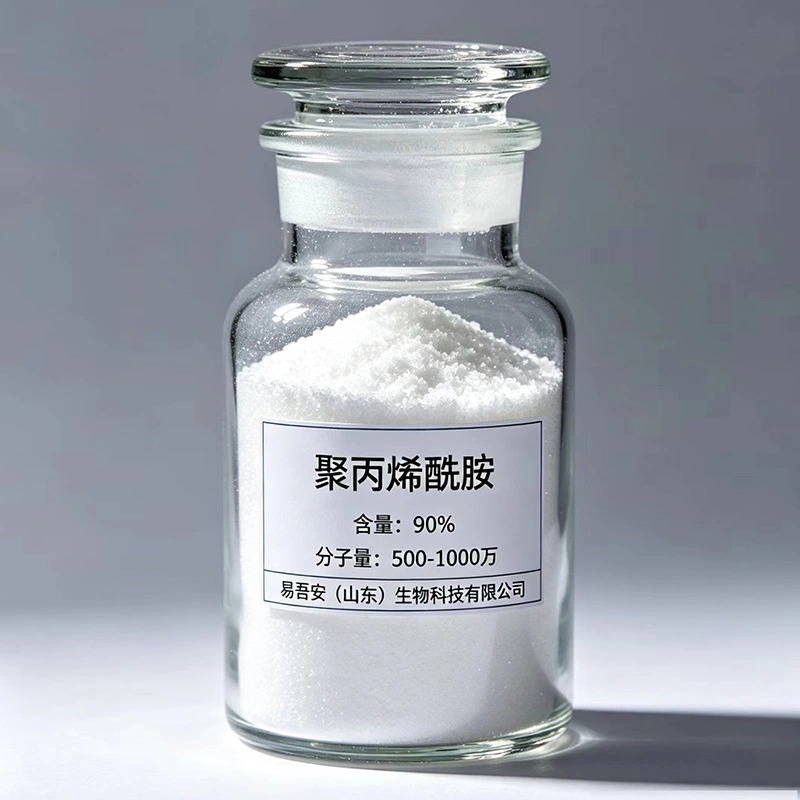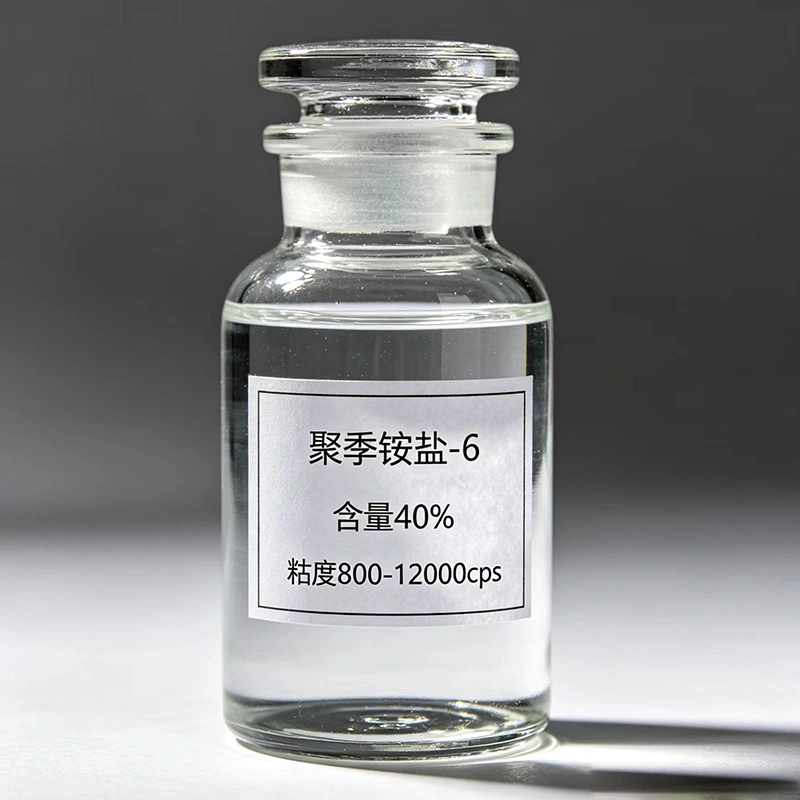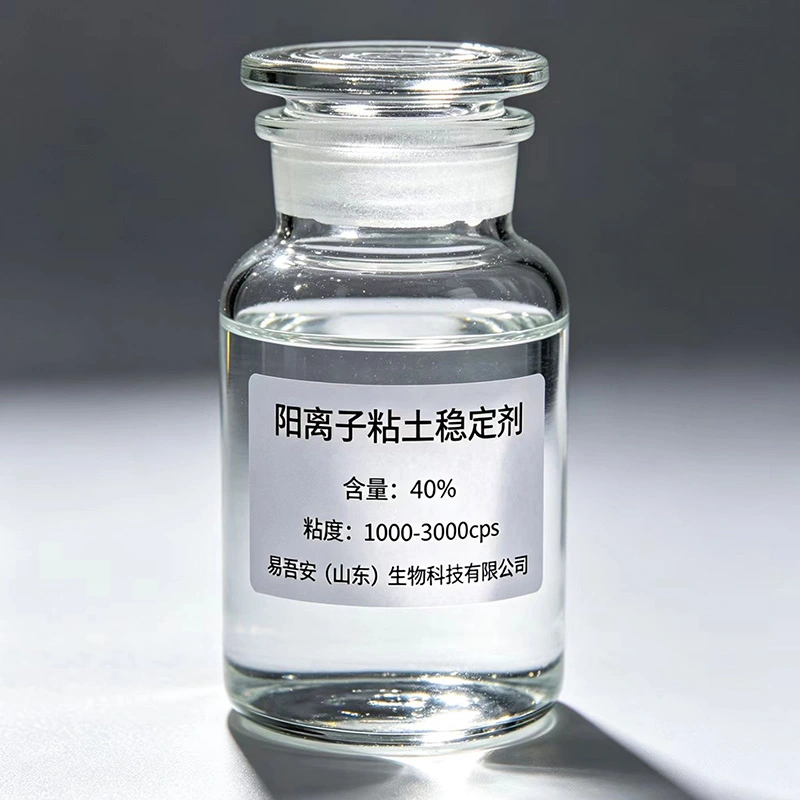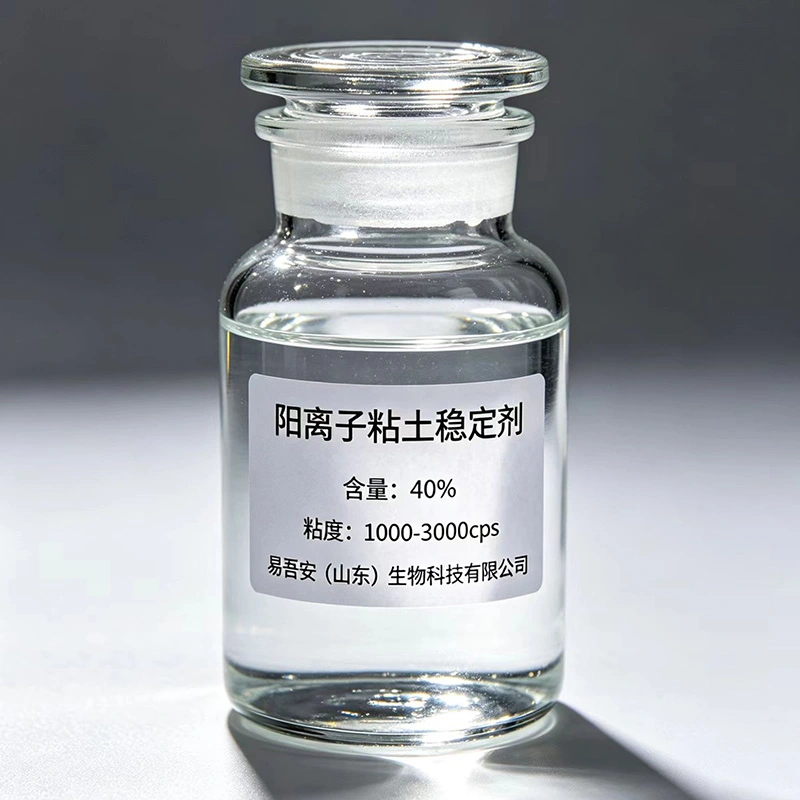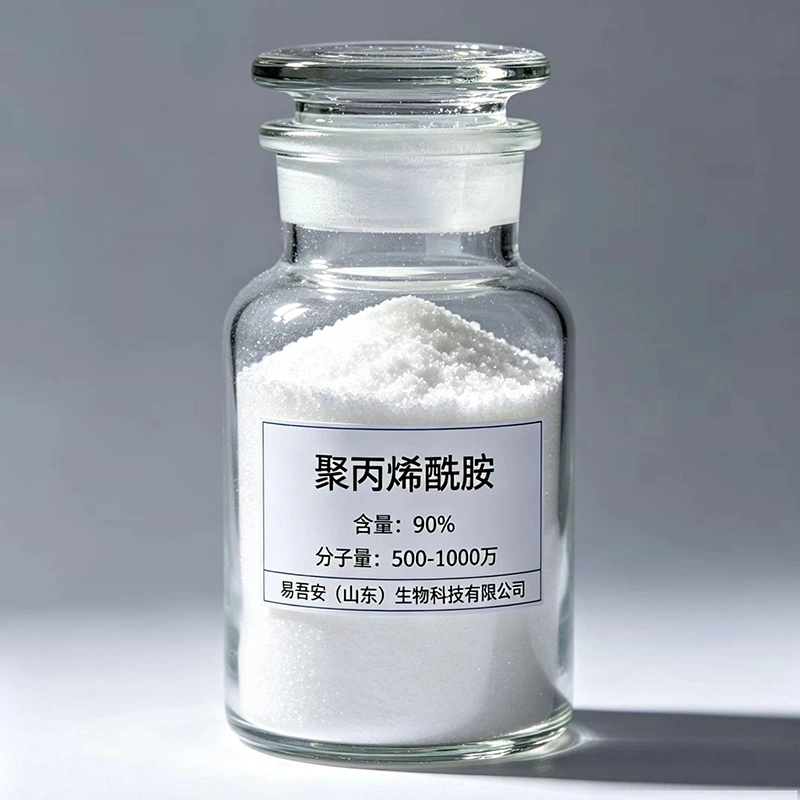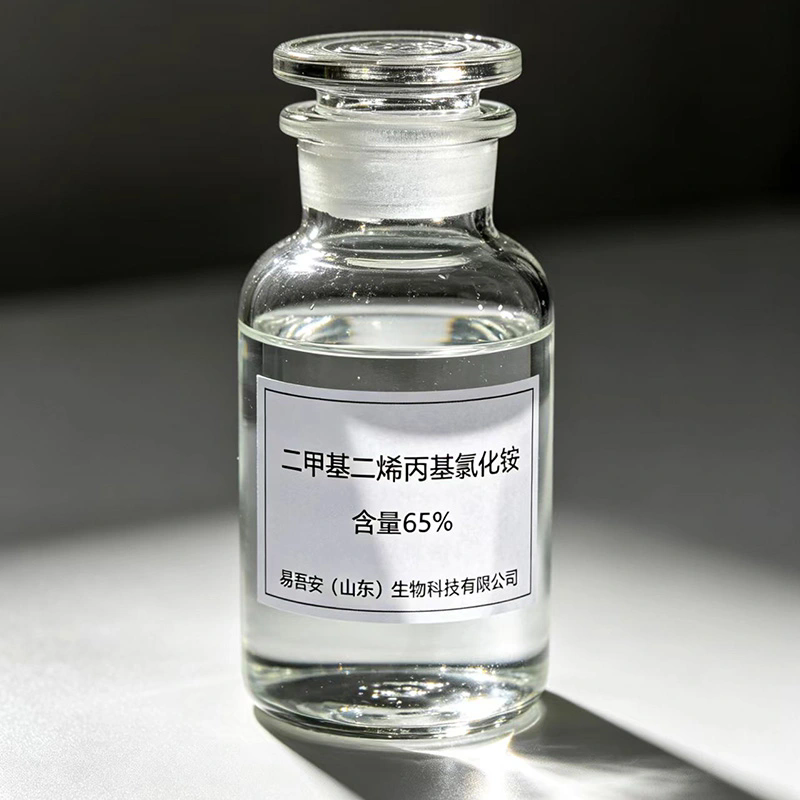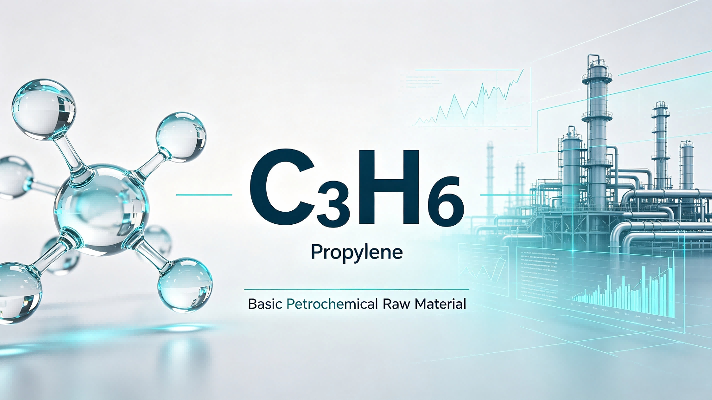
We offer a comprehensive portfolio including DMDAAC, PDMDAAC (liquid and exclusive bead/powder forms), and Polyacrylamide (PAM) series, with an annual production capacity of over 50,000 tons to meet diverse industrial needs.
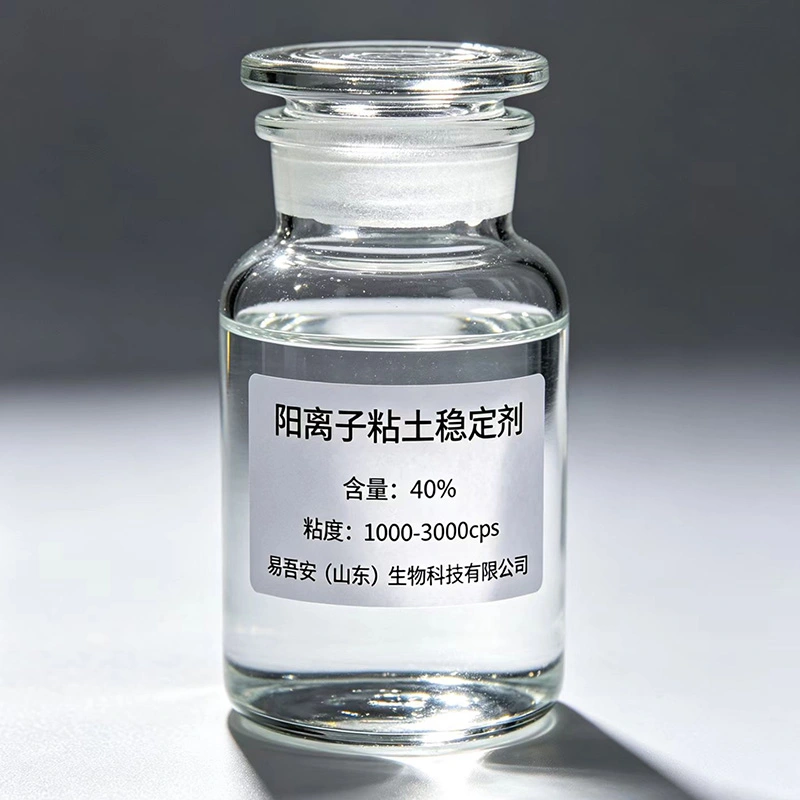
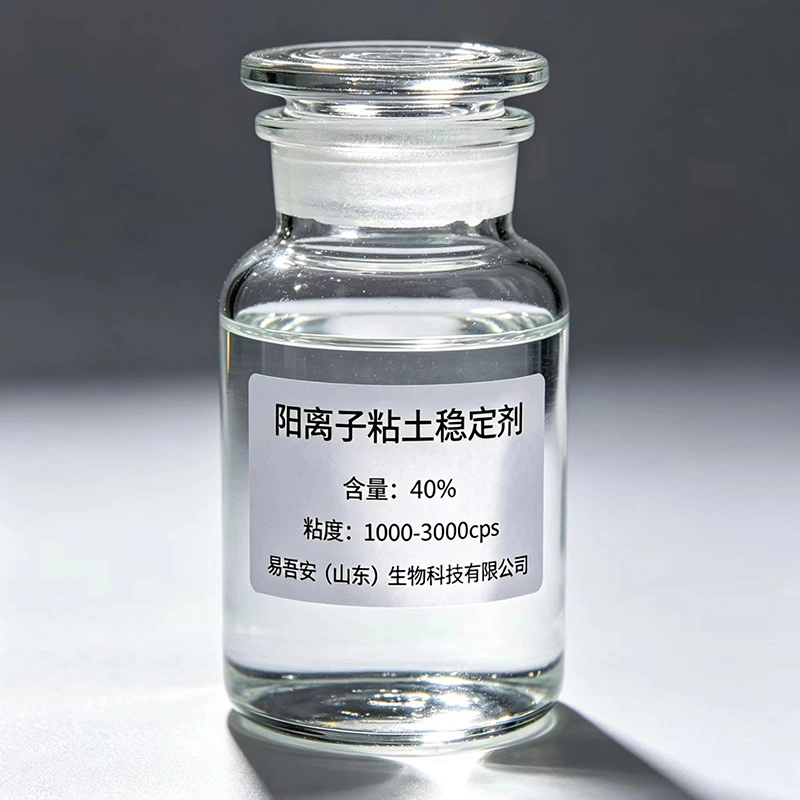
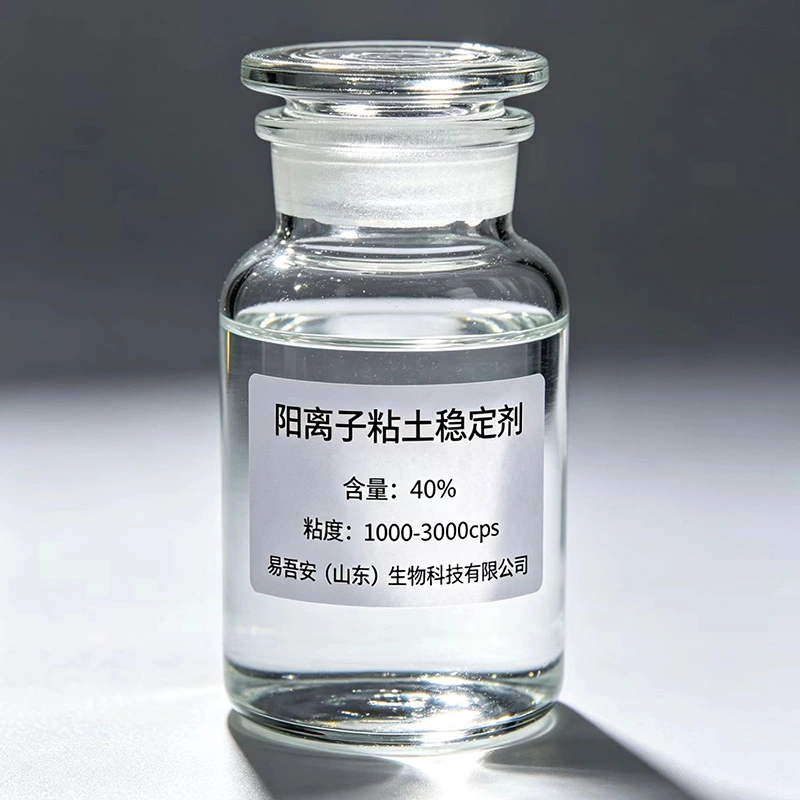
Polymer Clay Control Additive for Drilling Fluids is a water-soluble, highly cationic polyelectrolyte based on quaternary ammonium salts. It appears as a colorless to pale yellow viscous liquid and boasts excellent physicochemical properties, including safety and non-toxicity, rapid solubility in cold water, non-flammability, strong cohesive properties, high hydrolytic stability, and a wide pH tolerance range.
Specifically developed to address the challenges of hydration, swelling, dispersion, and migration of water-sensitive clay minerals in water-based drilling operations, this product goes beyond traditional simple encapsulating agents. It delivers multiple functions—including chemical intercalation inhibition, charge regulation, and film-forming sealing—to fundamentally resolve common drilling issues such as wellbore instability, borehole constriction (leading to stuck pipe), bit balling, and drill cutting dispersion.
It offers stable anti-swelling performance with an inhibition rate exceeding 85%--91%. Effective at low dosages without interfering with drilling fluid rheology, it is compatible with the full spectrum of water-based drilling fluids (freshwater, brine, and potassium-based systems), making it a core, specialized additive for green and efficient drilling operations.
Polymer Clay Control Additive is a water-soluble, highly cationic polyelectrolyte based on quaternary ammonium salts. It appears as a colorless to pale yellow viscous liquid and boasts excellent physicochemical properties, including safety and non-toxicity, rapid solubility in cold water, non-flammability, strong cohesive properties, high hydrolytic stability, and a wide pH tolerance range.
Specifically developed to address the challenges of hydration, swelling, dispersion, and migration of water-sensitive clay minerals in water-based drilling operations, this product goes beyond traditional simple encapsulating agents. It delivers multiple functions—including chemical intercalation inhibition, charge regulation, and film-forming sealing—to fundamentally resolve common drilling issues such as wellbore instability, borehole constriction (leading to stuck pipe), bit balling, and drill cutting dispersion.
It offers stable anti-swelling performance with an inhibition rate exceeding 85%--91%. Effective at low dosages without interfering with drilling fluid rheology, it is compatible with the full spectrum of water-based drilling fluids (freshwater, brine, and potassium-based systems), making it a core, specialized additive for green and efficient drilling operations.
1.1 Product Classification and Physicochemical Definition
This polymer clay control additive is a modified cationic polymer designed specifically for drilling fluids and is classified as a highly cationic polyelectrolyte. Distinct from conventional anionic encapsulating agents and standard inorganic salt stabilizers, it serves as a chemical-grade clay inhibition additive. The product exhibits stable physicochemical properties and high resistance to hydrolysis; it remains unaffected by typical pH fluctuations in drilling fluids and demonstrates excellent high-temperature stability downhole. It is suitable for long-term, continuous drilling operations and offers exceptional stability during both storage and application.
1.2 Core Principles of Polymer-Based Clay Control Technology
Utilizing polymer-based intercalation technology for clay control, this product transcends the limitations of conventional physical encapsulation. It achieves deep-level clay management through a quadruple synergistic mechanism: irreversibly adsorbing clay particles via electrostatic attraction; intercalating polymer chains into clay crystal layers to compress interlayer spacing; neutralizing surface charges to compress the electrical double layer; and forming a water-blocking film on the surface. By chemically eliminating the conditions required for clay hydration and swelling, it delivers genuine, long-lasting inhibition of swelling and dispersion.
1.3 Differentiated Technical Advantages
Conventional anionic polymers on the market merely encapsulate clay physically, merely delaying water absorption without inhibiting hydration at the source. In contrast, this product penetrates the clay crystal layers to achieve chemical modification, permanently altering clay hydration characteristics. It offers control performance far superior to traditional additives in highly active, highly plastic montmorillonite and illite formations, effectively resolving drilling challenges associated with highly sensitive formations.
1.4 Environmental and Safety Profile
Safe, non-toxic, non-corrosive, and non-flammable; free from heavy metals and harmful residues, it complies with green drilling standards in the oilfield industry. Unlike traditional inorganic salt inhibitors, it leaves no polluting residues and poses no risk of water contamination, meeting stringent domestic and international environmental acceptance criteria for oilfield operations.
2.1 Stabilization of Drilling Fluid Viscosity
Massive hydration and dispersion of highly active clay can cause abnormal spikes in drilling fluid viscosity and loss of control over rheological parameters, leading to pumping difficulties and increased circulation resistance. Polymer Clay Control Additive for Drilling Fluids stabilizes the system by preemptively passivating clay's active sites, inhibiting continuous hydration-induced viscosity increases, and maintaining a stable base viscosity. This ensures balanced, controllable rheological parameters, facilitating steady drilling operations.
2.2 Prevention of Rheological Anomalies and Additive Incompatibility
This polymer clay control additive demonstrates excellent compatibility with various other drilling fluid additives—such as fluid loss control agents, viscosifiers, and lubricants. Its addition does not trigger issues such as emulsion breaking, flocculation, precipitation, or sudden viscosity fluctuations. It is compatible with various additives, ensuring synergy without disrupting the established rheological system of the drilling fluid, thus eliminating the need for repeated formula adjustments.
2.3 Optimized downhole pumping and cuttings transport performance
By precisely controlling clay dispersion, it prevents mud thickening and disrupted cuttings transport caused by the excessive suspension of ultrafine clay particles. This optimizes drilling fluid fluidity and transport stability, reduces downhole pumping pressure fluctuations and equipment load, and ensures smoother drilling operations.
2.4 Adaptability to diverse rheology control systems
It is compatible with freshwater, brine, and potassium-based drilling fluid systems across varying ion concentrations. It maintains stable rheological control even in high-salinity and high-ion environments, ensuring consistent performance regardless of salinity fluctuations, making it suitable for drilling operations involving complex water qualities.
3.1 Potent inhibition of clay particle dispersion and migration
Addressing the issues of clay fragmentation, refinement, and dispersion upon contact with water, this product employs a dual mechanism—interlayer locking and surface film formation—to firmly stabilize clay particle structures. It halts the continuous dispersion and migration of fine particles, prevents spikes in mud solids content, and reduces the operational burden on solids control equipment.
3.2 Precise control of fluid loss and stabilization of filter cake quality
Traditional inorganic salt additives (such as potassium chloride) often compromise bentonite performance, leading to increased fluid loss and loose filter cakes. Polymer Clay Control Additive for Drilling Fluids selectively manages formation clays without damaging the active bentonite components of the drilling fluid. It helps optimize filter cake density, reduces fluid loss, and minimizes formation water influx and reservoir damage.
3.3 Prevention of bit balling and cuttings adhesion
It effectively inhibits the increase in clay hydration and stickiness, preventing clay particles from adhering to the drill bit, drill pipe, and wellbore. This thoroughly resolves issues related to bit balling and the accumulation of sticky cuttings, reduces drag during tripping operations, avoids downhole incidents such as stuck pipe or weight-on-bit transfer issues, and significantly reduces non-productive drilling time.
3.4 High clay-swelling inhibition rate and long-lasting control for operational stability
This polymer clay control additive consistently maintains a swelling inhibition rate of over 85% (reaching up to 91% for premium grades). It provides long-term suppression of clay swelling and instability, ensuring a uniform wellbore and clear flow path throughout the operation. It prevents risks such as late-stage wellbore collapse or enlargement caused by repeated clay hydration, thereby guaranteeing operational stability across the entire drilling cycle.
4.1 Universal compatibility across water-based drilling fluid systems
It is seamlessly compatible with the three mainstream water-based drilling fluid systems: fresh water-based, brine-based, and potassium-based. It dissolves completely and functions effectively across varying salinity levels and ionic compositions. There is no need to switch additives based on water quality, enabling a single product to serve all drilling scenarios.
4.2 High efficiency at low dosages, reducing operational costs
Unlike traditional inorganic salt agents that require large dosages, this product achieves efficient control of bentonite and formation clay hydration/swelling with a low addition rate of only 0.3 wt.%--1.5 wt.%. Its low dosage and rapid action significantly reduce chemical procurement costs and the workload associated with on-site fluid preparation while delivering equivalent performance.
4.3 Wide pH compatibility and high operational tolerance
The product is insensitive to fluctuations in the drilling fluid's pH, remaining effective across weakly acidic, neutral, and weakly alkaline conditions. It demonstrates strong resilience against complex downhole chemical environments, eliminating the need for frequent pH adjustments and facilitating standardized on-site operations.
4.4 Ready-to-use with convenient on-site handling
Supplied as a homogeneous liquid with excellent water solubility, the product can be added directly and evenly to the base drilling fluid. It mixes uniformly with simple stirring—requiring no heating, pre-treatment, or complex mixing procedures—making it highly practical for large-scale, continuous drilling operations in oilfields.
5.1 Key Differences in Mechanism of Action
Conventional cationic clay stabilizers primarily function through surface adsorption (film formation) and physical particle locking; they focus on static reservoir protection following reservoir stimulation, water injection, or fracturing, offering only surface-level sealing and swelling inhibition. In contrast, the Polymer Clay Control Additive for Drilling Fluids employs a dual mechanism of chemical intercalation inhibition and surface film formation. It penetrates the clay crystal layers to modify their properties and dynamically adapts to high-velocity drilling erosion and continuous water-rock interactions, providing superior inhibition depth and stability.
5.2 Differences in Application Scenarios
Standard clay stabilizers are typically used for reservoir stimulation, acidizing/fracturing, and soil stabilization during water injection, focusing on static formation protection. This product is designed for the entire drilling process—including drilling, circulation, and erosion—and simultaneously manages multiple issues such as clay swelling, particle dispersion, rheological imbalance, excessive fluid loss, and bit balling; it is a specialized functional additive for drilling operations.
5.3 Differences in System Compatibility and Performance Focus
Traditional clay stabilizers have limited operational adaptability, and some products can interfere with drilling fluid rheology or compromise mud cake quality. This product is optimized for drilling fluid compatibility; it does not impair bentonite activity, increase fluid loss, or disrupt rheological parameters. It balances clay inhibition with drilling fluid system stability, offering superior overall compatibility.
5.4 Precise On-Site Selection Method
For reservoir fracturing, acidizing, and water injection soil stabilization: Select conventional cationic clay stabilizers.
For drilling in water-sensitive formations, shale, or highly active clay, and for operations requiring stable mud rheology: Prioritize the use of this polymer clay control additive.
For high-risk well sections characterized by complex, highly plastic clays, frequent bit balling/stuck pipe incidents, or borehole instability.
6.1 Key Technical Specifications
Appearance: Colorless to pale yellow, uniform, viscous liquid;
Product Properties: Strong cationic polymer polyelectrolyte; chemical-type clay inhibitor;
Anti-swelling Performance: Standard grade anti-swelling rate ≥85%; high-end grade ≥91%;
Dosage: 0.3 wt.%--1.5 wt.%; highly effective at low dosages;
Tolerance: Temperature-resistant, hydrolysis-resistant, stable across a wide pH range, and compatible with water of varying salinity;
System Compatibility: Fully compatible with freshwater, brine, and potassium-based drilling fluid systems;
Safety Profile: Non-toxic, non-flammable, environmentally friendly, and compliant with oilfield environmental standards.
6.2 Standardized Field Application Process
Add the product quantitatively during the drilling fluid preparation stage and mix with uniform agitation before pumping into the well; dosage may be slightly increased for highly water-sensitive formations or fractured shale zones to enhance initial clay inhibition; no auxiliary equipment modification is required, the original drilling workflow remains unchanged, and it is compatible with both legacy and modern drilling technology systems.
6.3 Field Application Performance
Application significantly reduces the frequency of issues such as wellbore instability, hole shrinkage, stuck pipe, and bit balling, effectively minimizing non-productive time (NPT); drilling fluid rheological parameters remain stable, fluid loss is controllable, and filter cake quality is dense; formation clay dispersion rates drop sharply, reducing the load on solids control equipment and significantly improving overall drilling efficiency for the well.
6.4 Oilfield Engineering Case Analysis
In a drilling project at a water-sensitive sandstone oilfield in eastern China, the formation was characterized by high montmorillonite content and extreme water sensitivity; initial use of traditional potassium chloride inhibitors resulted in high dosage requirements, excessive fluid loss, frequent bit balling, and wellbore sloughing. When replacing existing products with this polymer clay stabilizer at a standard dosage of 1.0 wt.%, the clay swelling inhibition rate consistently exceeds 89%. Drilling fluid viscosity and filtration parameters remain stable throughout operations, issues such as bit balling and stuck pipe are virtually eliminated, non-productive time per well is reduced by over 30%, and chemical costs are cut by 40%. Additionally, the product meets environmental standards for "green drilling," delivering significant overall improvements in quality and cost-efficiency.
6.5 Packaging, Storage, Transportation, and Shelf Life
Packaging: PE plastic drums and IBC totes; supports small-batch sample orders and large-scale project procurement.
Storage: Store in a sealed, cool, dry, and well-ventilated warehouse; keep away from light and strong oxidizing agents.
Shelf Life: 12 months under standard storage conditions.
Transportation: Non-toxic, non-flammable, and non-hazardous; safe and convenient for both on-site oilfield delivery and cross-regional transport.
Q1: What are the key advantages of Polymer Clay Control Additive for Drilling Fluids compared to traditional inorganic salt clay inhibitors?
Traditional inorganic salts (like KCl) require high dosages, lack selectivity, tend to suppress bentonite activity (leading to increased filtration loss), and offer only shallow swelling inhibition. In contrast, this Polymer Clay Control Additive is an organic cationic polymer that is highly effective at low dosages. It inhibits swelling deep within the clay structure via chemical intercalation without disrupting the drilling fluid system or compromising mud cake quality. It is eco-friendly, provides long-lasting stability, and is suitable for complex drilling conditions.
Q2: Is it compatible with various water-based drilling fluids, and does it affect mud rheology?
This product is fully compatible with freshwater, saltwater, and potassium-based water-based drilling fluid systems, as well as various other drilling fluid additives. It does not cause sudden viscosity changes, excessive filtration loss, or flocculation/precipitation upon addition, ensuring the drilling fluid maintains excellent rheological properties.
Q3: What is the recommended dosage range, and how can the amount be precisely controlled?
The standard dosage for operations is 0.3 wt.%--1.5 wt.%. Low-to-medium dosages are sufficient for standard formations, while higher dosages are recommended for formations containing highly active clay or high-risk shale. It is recommended to conduct small-scale pilot tests prior to application to determine the optimal dosage based on the clay content of the formation, thereby maximizing quality improvements and cost reductions.
Q4: Why is this product more effective at controlling clay than standard polymer encapsulators?
Standard anionic polymers provide only physical surface encapsulation, which merely delays water absorption without preventing deep-seated hydration. In contrast, this product employs a four-fold mechanism—chemical inhibition via intercalation between clay crystal layers, charge neutralization, compression of the electrical double layer, and film-forming sealing. By fundamentally altering the hydration characteristics of the clay, it delivers superior performance in managing highly plastic clays.
1.1 Product Classification and Physicochemical Definition
This polymer clay control additive is a modified cationic polymer designed specifically for drilling fluids and is classified as a highly cationic polyelectrolyte. Distinct from conventional anionic encapsulating agents and standard inorganic salt stabilizers, it serves as a chemical-grade clay inhibition additive. The product exhibits stable physicochemical properties and high resistance to hydrolysis; it remains unaffected by typical pH fluctuations in drilling fluids and demonstrates excellent high-temperature stability downhole. It is suitable for long-term, continuous drilling operations and offers exceptional stability during both storage and application.
1.2 Core Principles of Polymer-Based Clay Control Technology
Utilizing polymer-based intercalation technology for clay control, this product transcends the limitations of conventional physical encapsulation. It achieves deep-level clay management through a quadruple synergistic mechanism: irreversibly adsorbing clay particles via electrostatic attraction; intercalating polymer chains into clay crystal layers to compress interlayer spacing; neutralizing surface charges to compress the electrical double layer; and forming a water-blocking film on the surface. By chemically eliminating the conditions required for clay hydration and swelling, it delivers genuine, long-lasting inhibition of swelling and dispersion.
1.3 Differentiated Technical Advantages
Conventional anionic polymers on the market merely encapsulate clay physically, merely delaying water absorption without inhibiting hydration at the source. In contrast, this product penetrates the clay crystal layers to achieve chemical modification, permanently altering clay hydration characteristics. It offers control performance far superior to traditional additives in highly active, highly plastic montmorillonite and illite formations, effectively resolving drilling challenges associated with highly sensitive formations.
1.4 Environmental and Safety Profile
Safe, non-toxic, non-corrosive, and non-flammable; free from heavy metals and harmful residues, it complies with green drilling standards in the oilfield industry. Unlike traditional inorganic salt inhibitors, it leaves no polluting residues and poses no risk of water contamination, meeting stringent domestic and international environmental acceptance criteria for oilfield operations.
2.1 Stabilization of Drilling Fluid Viscosity
Massive hydration and dispersion of highly active clay can cause abnormal spikes in drilling fluid viscosity and loss of control over rheological parameters, leading to pumping difficulties and increased circulation resistance. Polymer Clay Control Additive for Drilling Fluids stabilizes the system by preemptively passivating clay's active sites, inhibiting continuous hydration-induced viscosity increases, and maintaining a stable base viscosity. This ensures balanced, controllable rheological parameters, facilitating steady drilling operations.
2.2 Prevention of Rheological Anomalies and Additive Incompatibility
This polymer clay control additive demonstrates excellent compatibility with various other drilling fluid additives—such as fluid loss control agents, viscosifiers, and lubricants. Its addition does not trigger issues such as emulsion breaking, flocculation, precipitation, or sudden viscosity fluctuations. It is compatible with various additives, ensuring synergy without disrupting the established rheological system of the drilling fluid, thus eliminating the need for repeated formula adjustments.
2.3 Optimized downhole pumping and cuttings transport performance
By precisely controlling clay dispersion, it prevents mud thickening and disrupted cuttings transport caused by the excessive suspension of ultrafine clay particles. This optimizes drilling fluid fluidity and transport stability, reduces downhole pumping pressure fluctuations and equipment load, and ensures smoother drilling operations.
2.4 Adaptability to diverse rheology control systems
It is compatible with freshwater, brine, and potassium-based drilling fluid systems across varying ion concentrations. It maintains stable rheological control even in high-salinity and high-ion environments, ensuring consistent performance regardless of salinity fluctuations, making it suitable for drilling operations involving complex water qualities.
3.1 Potent inhibition of clay particle dispersion and migration
Addressing the issues of clay fragmentation, refinement, and dispersion upon contact with water, this product employs a dual mechanism—interlayer locking and surface film formation—to firmly stabilize clay particle structures. It halts the continuous dispersion and migration of fine particles, prevents spikes in mud solids content, and reduces the operational burden on solids control equipment.
3.2 Precise control of fluid loss and stabilization of filter cake quality
Traditional inorganic salt additives (such as potassium chloride) often compromise bentonite performance, leading to increased fluid loss and loose filter cakes. Polymer Clay Control Additive for Drilling Fluids selectively manages formation clays without damaging the active bentonite components of the drilling fluid. It helps optimize filter cake density, reduces fluid loss, and minimizes formation water influx and reservoir damage.
3.3 Prevention of bit balling and cuttings adhesion
It effectively inhibits the increase in clay hydration and stickiness, preventing clay particles from adhering to the drill bit, drill pipe, and wellbore. This thoroughly resolves issues related to bit balling and the accumulation of sticky cuttings, reduces drag during tripping operations, avoids downhole incidents such as stuck pipe or weight-on-bit transfer issues, and significantly reduces non-productive drilling time.
3.4 High clay-swelling inhibition rate and long-lasting control for operational stability
This polymer clay control additive consistently maintains a swelling inhibition rate of over 85% (reaching up to 91% for premium grades). It provides long-term suppression of clay swelling and instability, ensuring a uniform wellbore and clear flow path throughout the operation. It prevents risks such as late-stage wellbore collapse or enlargement caused by repeated clay hydration, thereby guaranteeing operational stability across the entire drilling cycle.
4.1 Universal compatibility across water-based drilling fluid systems
It is seamlessly compatible with the three mainstream water-based drilling fluid systems: fresh water-based, brine-based, and potassium-based. It dissolves completely and functions effectively across varying salinity levels and ionic compositions. There is no need to switch additives based on water quality, enabling a single product to serve all drilling scenarios.
4.2 High efficiency at low dosages, reducing operational costs
Unlike traditional inorganic salt agents that require large dosages, this product achieves efficient control of bentonite and formation clay hydration/swelling with a low addition rate of only 0.3 wt.%--1.5 wt.%. Its low dosage and rapid action significantly reduce chemical procurement costs and the workload associated with on-site fluid preparation while delivering equivalent performance.
4.3 Wide pH compatibility and high operational tolerance
The product is insensitive to fluctuations in the drilling fluid's pH, remaining effective across weakly acidic, neutral, and weakly alkaline conditions. It demonstrates strong resilience against complex downhole chemical environments, eliminating the need for frequent pH adjustments and facilitating standardized on-site operations.
4.4 Ready-to-use with convenient on-site handling
Supplied as a homogeneous liquid with excellent water solubility, the product can be added directly and evenly to the base drilling fluid. It mixes uniformly with simple stirring—requiring no heating, pre-treatment, or complex mixing procedures—making it highly practical for large-scale, continuous drilling operations in oilfields.
5.1 Key Differences in Mechanism of Action
Conventional cationic clay stabilizers primarily function through surface adsorption (film formation) and physical particle locking; they focus on static reservoir protection following reservoir stimulation, water injection, or fracturing, offering only surface-level sealing and swelling inhibition. In contrast, the Polymer Clay Control Additive for Drilling Fluids employs a dual mechanism of chemical intercalation inhibition and surface film formation. It penetrates the clay crystal layers to modify their properties and dynamically adapts to high-velocity drilling erosion and continuous water-rock interactions, providing superior inhibition depth and stability.
5.2 Differences in Application Scenarios
Standard clay stabilizers are typically used for reservoir stimulation, acidizing/fracturing, and soil stabilization during water injection, focusing on static formation protection. This product is designed for the entire drilling process—including drilling, circulation, and erosion—and simultaneously manages multiple issues such as clay swelling, particle dispersion, rheological imbalance, excessive fluid loss, and bit balling; it is a specialized functional additive for drilling operations.
5.3 Differences in System Compatibility and Performance Focus
Traditional clay stabilizers have limited operational adaptability, and some products can interfere with drilling fluid rheology or compromise mud cake quality. This product is optimized for drilling fluid compatibility; it does not impair bentonite activity, increase fluid loss, or disrupt rheological parameters. It balances clay inhibition with drilling fluid system stability, offering superior overall compatibility.
5.4 Precise On-Site Selection Method
For reservoir fracturing, acidizing, and water injection soil stabilization: Select conventional cationic clay stabilizers.
For drilling in water-sensitive formations, shale, or highly active clay, and for operations requiring stable mud rheology: Prioritize the use of this polymer clay control additive.
For high-risk well sections characterized by complex, highly plastic clays, frequent bit balling/stuck pipe incidents, or borehole instability.
6.1 Key Technical Specifications
Appearance: Colorless to pale yellow, uniform, viscous liquid;
Product Properties: Strong cationic polymer polyelectrolyte; chemical-type clay inhibitor;
Anti-swelling Performance: Standard grade anti-swelling rate ≥85%; high-end grade ≥91%;
Dosage: 0.3 wt.%--1.5 wt.%; highly effective at low dosages;
Tolerance: Temperature-resistant, hydrolysis-resistant, stable across a wide pH range, and compatible with water of varying salinity;
System Compatibility: Fully compatible with freshwater, brine, and potassium-based drilling fluid systems;
Safety Profile: Non-toxic, non-flammable, environmentally friendly, and compliant with oilfield environmental standards.
6.2 Standardized Field Application Process
Add the product quantitatively during the drilling fluid preparation stage and mix with uniform agitation before pumping into the well; dosage may be slightly increased for highly water-sensitive formations or fractured shale zones to enhance initial clay inhibition; no auxiliary equipment modification is required, the original drilling workflow remains unchanged, and it is compatible with both legacy and modern drilling technology systems.
6.3 Field Application Performance
Application significantly reduces the frequency of issues such as wellbore instability, hole shrinkage, stuck pipe, and bit balling, effectively minimizing non-productive time (NPT); drilling fluid rheological parameters remain stable, fluid loss is controllable, and filter cake quality is dense; formation clay dispersion rates drop sharply, reducing the load on solids control equipment and significantly improving overall drilling efficiency for the well.
6.4 Oilfield Engineering Case Analysis
In a drilling project at a water-sensitive sandstone oilfield in eastern China, the formation was characterized by high montmorillonite content and extreme water sensitivity; initial use of traditional potassium chloride inhibitors resulted in high dosage requirements, excessive fluid loss, frequent bit balling, and wellbore sloughing. When replacing existing products with this polymer clay stabilizer at a standard dosage of 1.0 wt.%, the clay swelling inhibition rate consistently exceeds 89%. Drilling fluid viscosity and filtration parameters remain stable throughout operations, issues such as bit balling and stuck pipe are virtually eliminated, non-productive time per well is reduced by over 30%, and chemical costs are cut by 40%. Additionally, the product meets environmental standards for "green drilling," delivering significant overall improvements in quality and cost-efficiency.
6.5 Packaging, Storage, Transportation, and Shelf Life
Packaging: PE plastic drums and IBC totes; supports small-batch sample orders and large-scale project procurement.
Storage: Store in a sealed, cool, dry, and well-ventilated warehouse; keep away from light and strong oxidizing agents.
Shelf Life: 12 months under standard storage conditions.
Transportation: Non-toxic, non-flammable, and non-hazardous; safe and convenient for both on-site oilfield delivery and cross-regional transport.
Q1: What are the key advantages of Polymer Clay Control Additive for Drilling Fluids compared to traditional inorganic salt clay inhibitors?
Traditional inorganic salts (like KCl) require high dosages, lack selectivity, tend to suppress bentonite activity (leading to increased filtration loss), and offer only shallow swelling inhibition. In contrast, this Polymer Clay Control Additive is an organic cationic polymer that is highly effective at low dosages. It inhibits swelling deep within the clay structure via chemical intercalation without disrupting the drilling fluid system or compromising mud cake quality. It is eco-friendly, provides long-lasting stability, and is suitable for complex drilling conditions.
Q2: Is it compatible with various water-based drilling fluids, and does it affect mud rheology?
This product is fully compatible with freshwater, saltwater, and potassium-based water-based drilling fluid systems, as well as various other drilling fluid additives. It does not cause sudden viscosity changes, excessive filtration loss, or flocculation/precipitation upon addition, ensuring the drilling fluid maintains excellent rheological properties.
Q3: What is the recommended dosage range, and how can the amount be precisely controlled?
The standard dosage for operations is 0.3 wt.%--1.5 wt.%. Low-to-medium dosages are sufficient for standard formations, while higher dosages are recommended for formations containing highly active clay or high-risk shale. It is recommended to conduct small-scale pilot tests prior to application to determine the optimal dosage based on the clay content of the formation, thereby maximizing quality improvements and cost reductions.
Q4: Why is this product more effective at controlling clay than standard polymer encapsulators?
Standard anionic polymers provide only physical surface encapsulation, which merely delays water absorption without preventing deep-seated hydration. In contrast, this product employs a four-fold mechanism—chemical inhibition via intercalation between clay crystal layers, charge neutralization, compression of the electrical double layer, and film-forming sealing. By fundamentally altering the hydration characteristics of the clay, it delivers superior performance in managing highly plastic clays.
Address
Wanhong Plaza, Jinan City, Shandong Province, China
Tel