As textile wastewater discharge standards grow stricter, stable decolorization draws more attention across the industry. Color reversion, also known as color rebound, is a frequent operational concern. Treated wastewater may look clear right after dosing, yet color gradually reappears after standing for hours. This phenomenon can lead to non-compliance in delayed sampling tests, even when the initial effluent seems acceptable.
Reversible redox transformation of dye molecules
Azo dyes are widely used in textile manufacturing and are most susceptible to reversion. Some reduction-based decolorization approaches only break azo bonds temporarily and form unstable colorless intermediates, instead of fully mineralizing dye molecules. These intermediates will re-oxidize once exposed to oxygen, rebuilding chromophore groups and bringing color back. This issue is tied to the property of the dye itself, rather than the flocculant.
Incomplete solid-liquid separation of colloidal dye fractions
Flocculants work via charge neutralization and floc bridging to capture colloidal and suspended dye particles. When sedimentation or DAF residence time is insufficient, tiny dye-laden microflocs cannot settle completely. These fragile microaggregates stay dispersed in the water. Over time, flow disturbance breaks them down and releases trapped dye. Well-matched flocculants form dense, compact flocs that settle faster and reduce this risk.
pH fluctuation across treatment units
Dye floc complexes remain stable only within a suitable pH window. Aeration, alkalinity consumption or return flow from other process sections may shift pH after coagulation. When pH drifts out of the target range, precipitated dye complexes tend to re-dissolve. Selecting proper cationic polymers and locking the pH inside the optimal range helps maintain stable floc structure.
Poorly calibrated polymer dosage
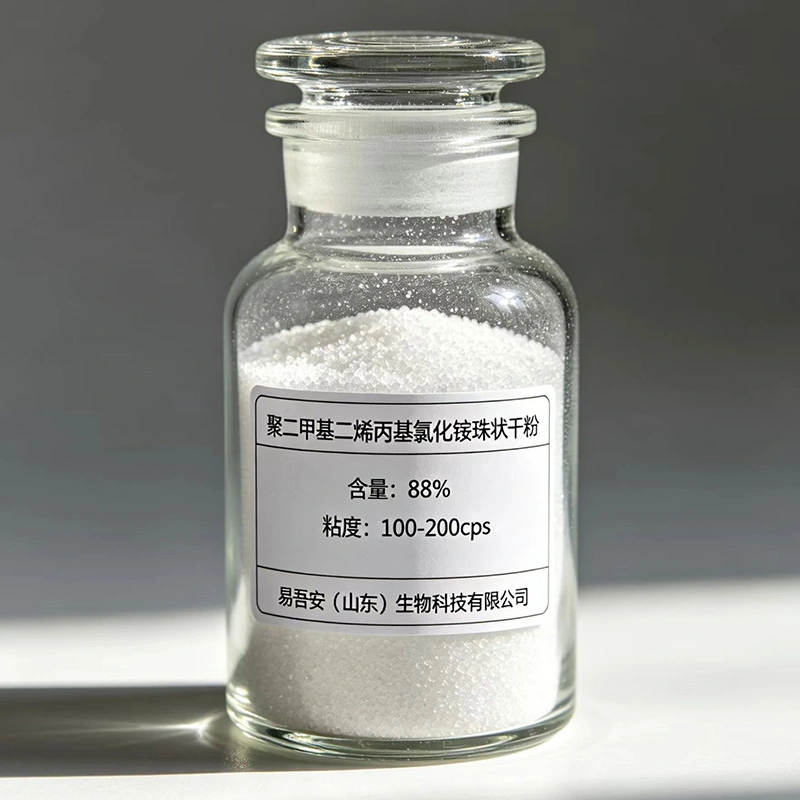
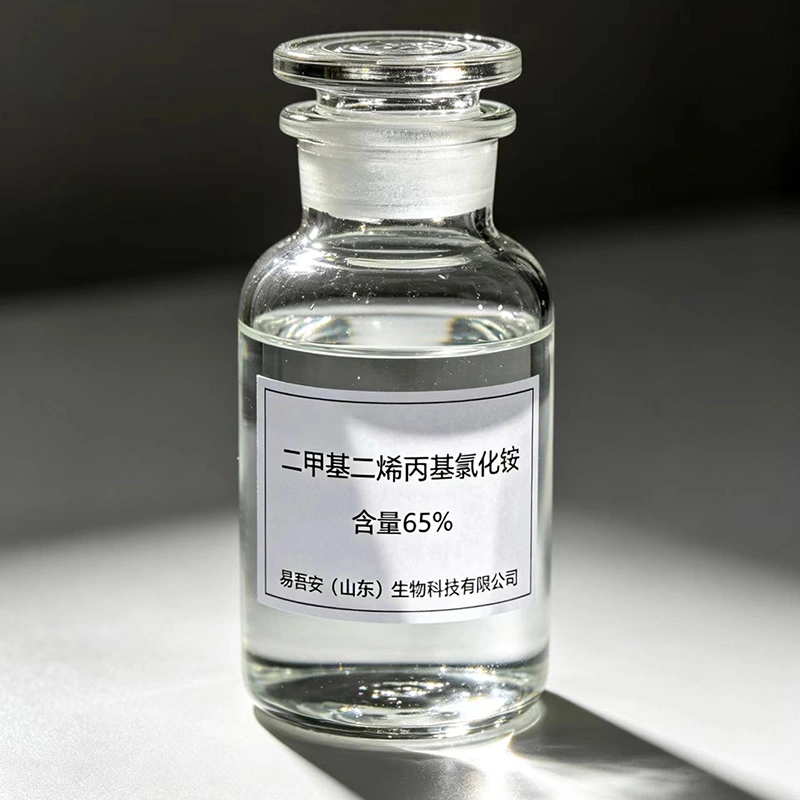
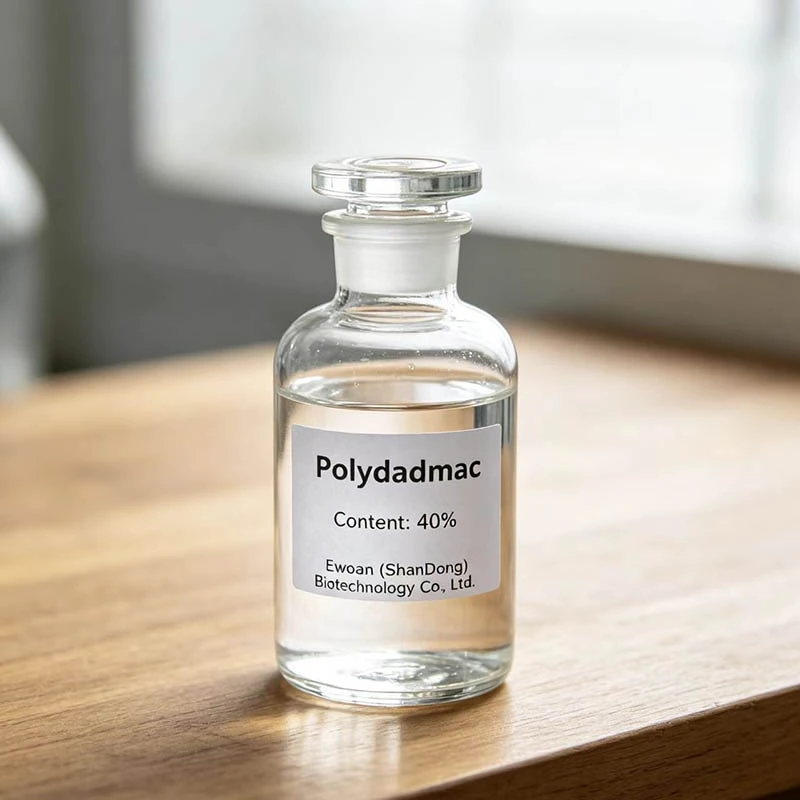
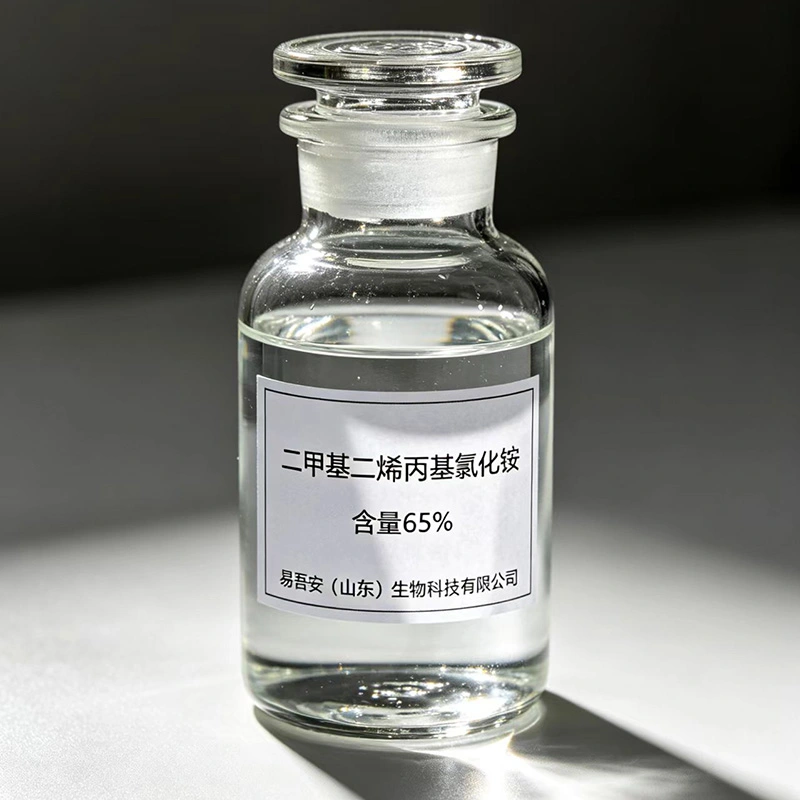
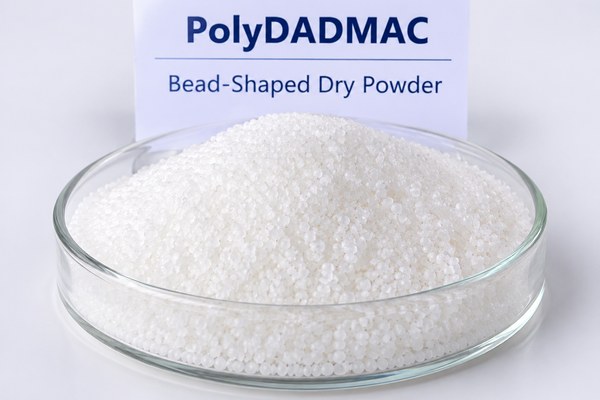
Every wastewater has its own optimal dosage window for cationic polymers including PolyDADMAC and cationic PAM. Under-dosing leaves excess colloidal dye unremoved. Over-dosing reverses particle surface charge, producing loose flocs prone to deflocculation. Accurate jar tests guide balanced dosing and help form robust flocs that lock dye molecules firmly.
Residual soluble chromogenic substances
Flocculants are designed to remove colloidal and particulate pollutants. Truly dissolved dye molecules cannot be captured by coagulation. These dissolved fractions are masked by fresh flocs at first. After large flocs settle, the background color slowly shows up. For this scenario, flocculants serve as a reliable pretreatment step to cut most color load before advanced treatment.
Auxiliary factors amplifying reversion risk
High salinity, surfactants from printing additives and frequent dye switching in batch production all add uncertainty. Salts and surfactants interfere with colloidal stability. Carefully selected high-performance cationic polymers can resist such interference and keep floc performance steady under variable water quality.
Practical strategies to prevent color reversion
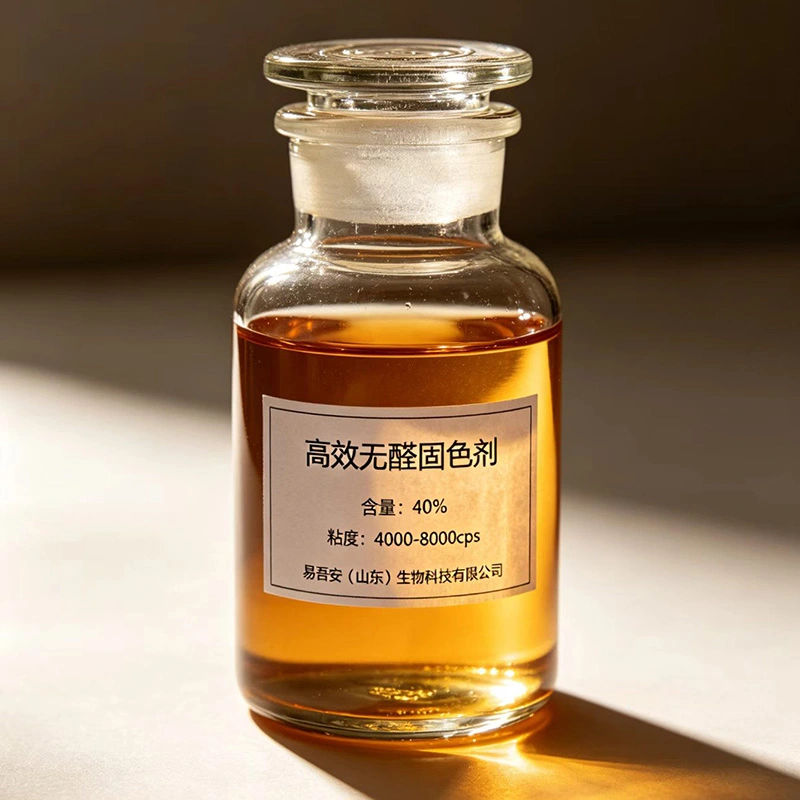
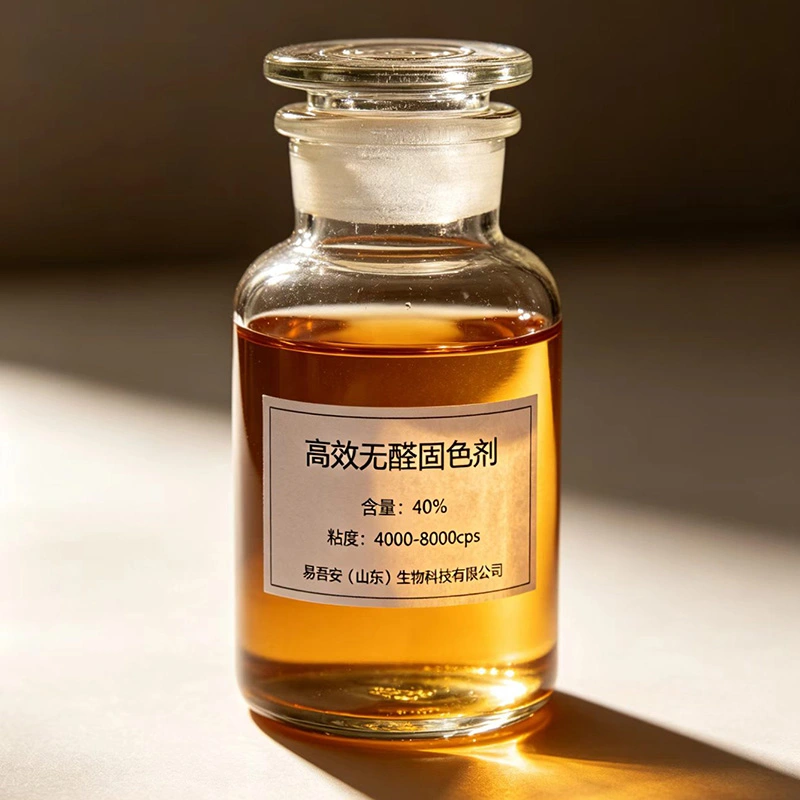
Simply adjusting dosage blindly will not solve the root problem. Reliable solutions include identifying the source of rebound, stabilizing pH during coagulation, extending solid-liquid separation time, and pairing suitable grades of PolyDADMAC and cationic PAM. Proper flocculant matching helps form tight, shear-resistant flocs and delivers consistent decolorization. Adding advanced oxidation or biochemical treatment downstream can further degrade unstable intermediate products. Delayed chroma checking after settling is recommended to verify long-term effluent quality.
We use cookies to offer you a better browsing experience, analyze site traffic and personalize content. By using this site, you agree to our use of cookies. Privacy Policy