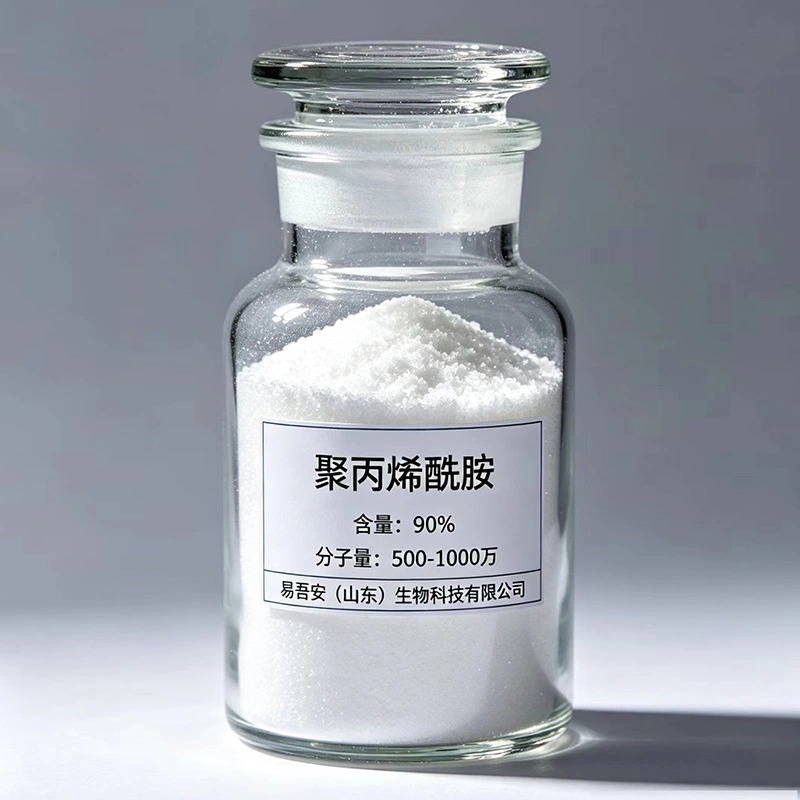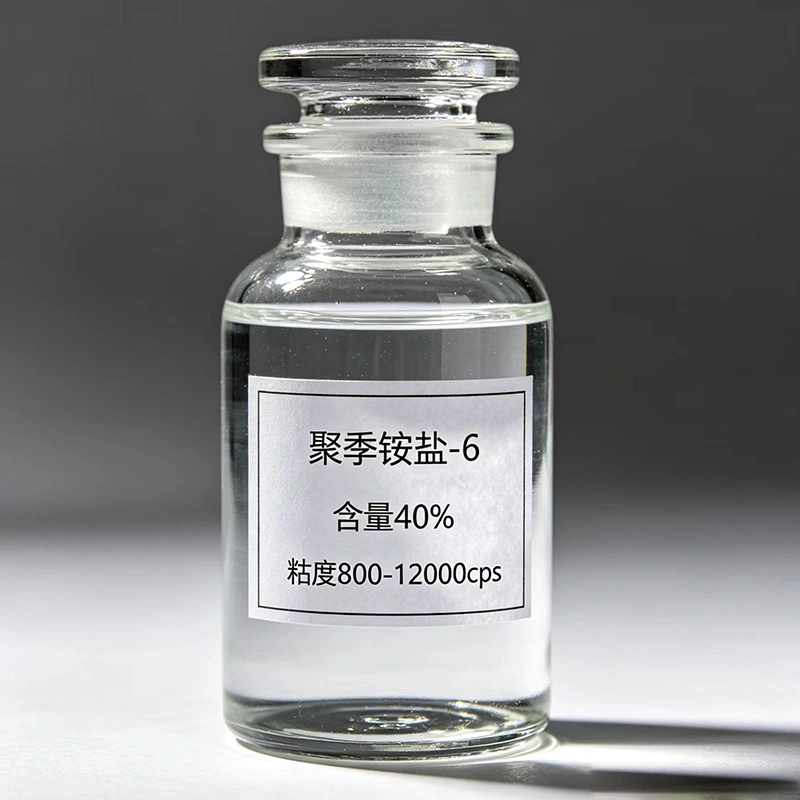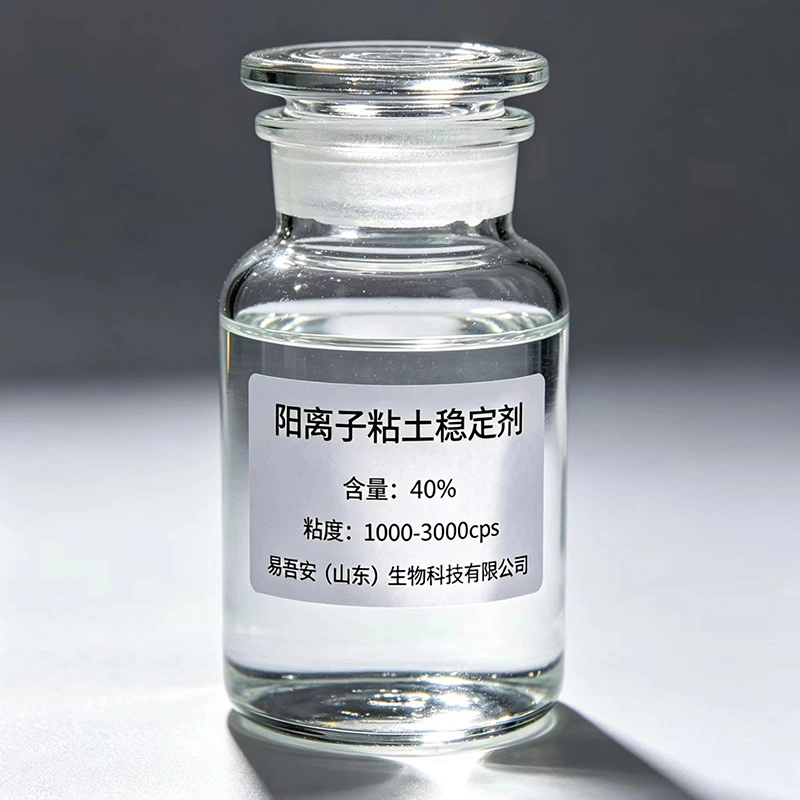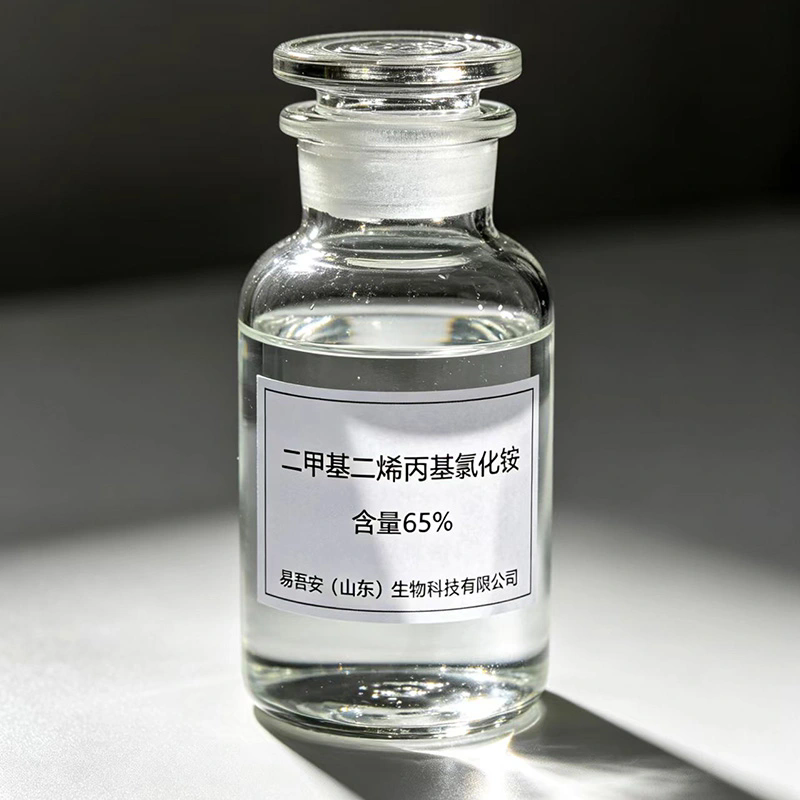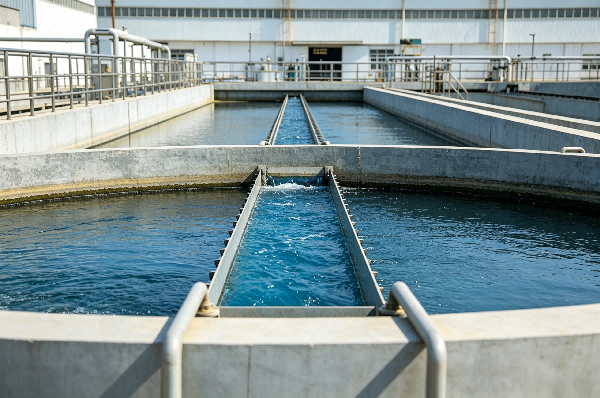
We offer a comprehensive portfolio including DMDAAC, PDMDAAC (liquid and exclusive bead/powder forms), and Polyacrylamide (PAM) series, with an annual production capacity of over 50,000 tons to meet diverse industrial needs.
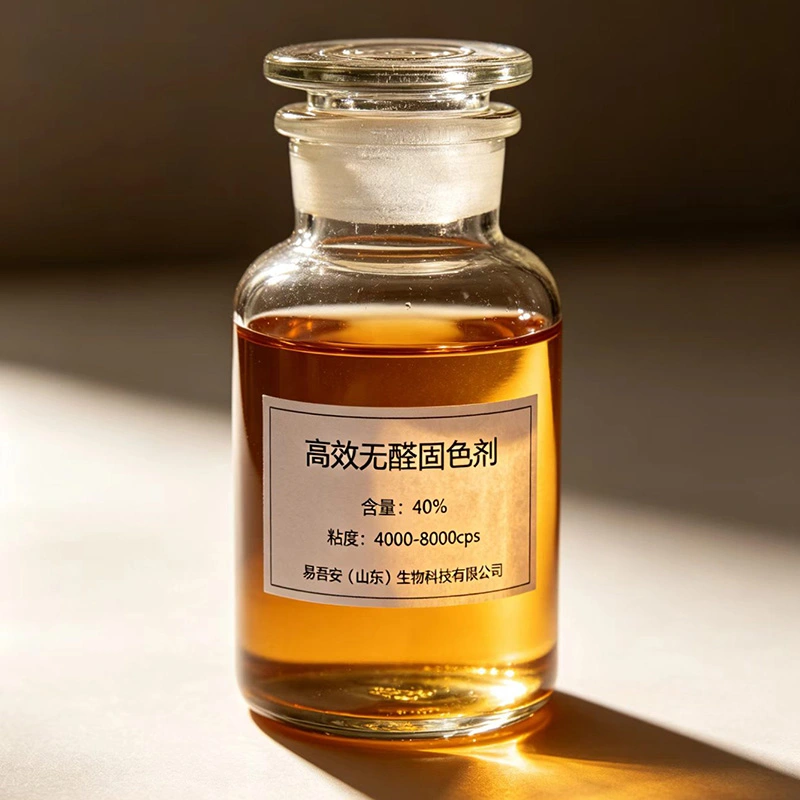
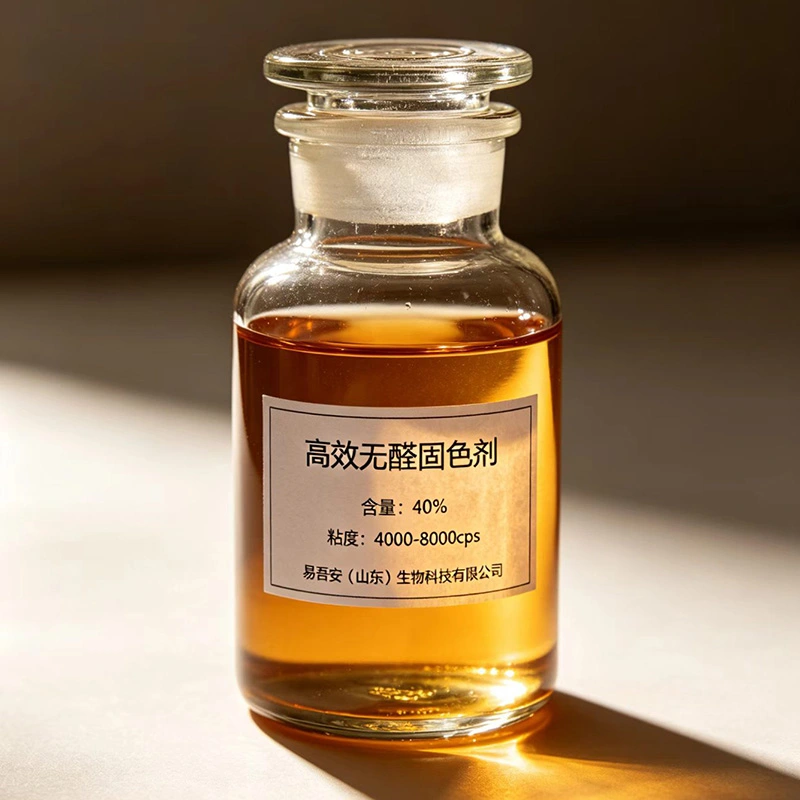
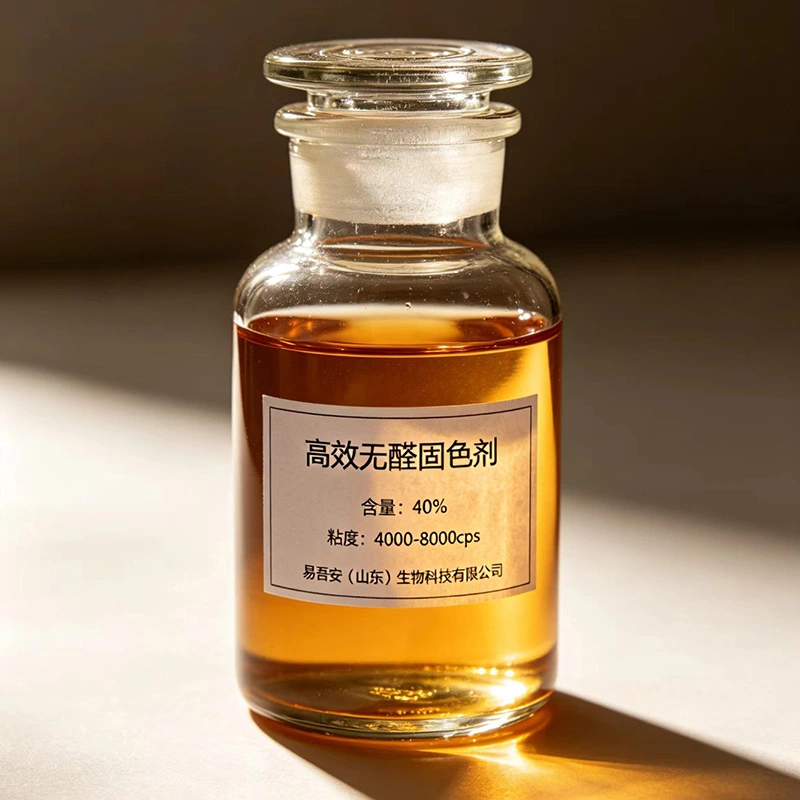
Our formaldehyde-free textile color fixing agent features excellent water solubility, non-flammability, and stability against gelling during storage; it is resistant to chlorine, acids, and alkalis, and is highly compatible with non-ionic and cationic surfactants. Utilizing a dual-action fixing mechanism—combining ionic bonding and covalent cross-linking—it forms a dense protective film on the fiber surface to efficiently lock in dye molecules. This significantly enhances color fastness against washing, rubbing, perspiration, and weathering, while brightening the fabric's luster and maintaining a soft hand feel.
| item / Code | 322-1 | 322-2 | 322-3 | 322-4 |
| Appearance | Amber viscous liquid | |||
| Solid content, % | 40 ±1 | 40 ±1 | 50 ±1 | 40 ±1 |
| PH | 5.0-7.0 | |||
| Viscosity(25℃), cps | 300-500 | 4000-8000 | 10000-15000 | 10000-15000 |
| Structure | Hydrochloric acid type | Hydrochloric acid type | Hydrochloric acid type | Acetoxy Type |
1.1 Physical and Chemical Properties
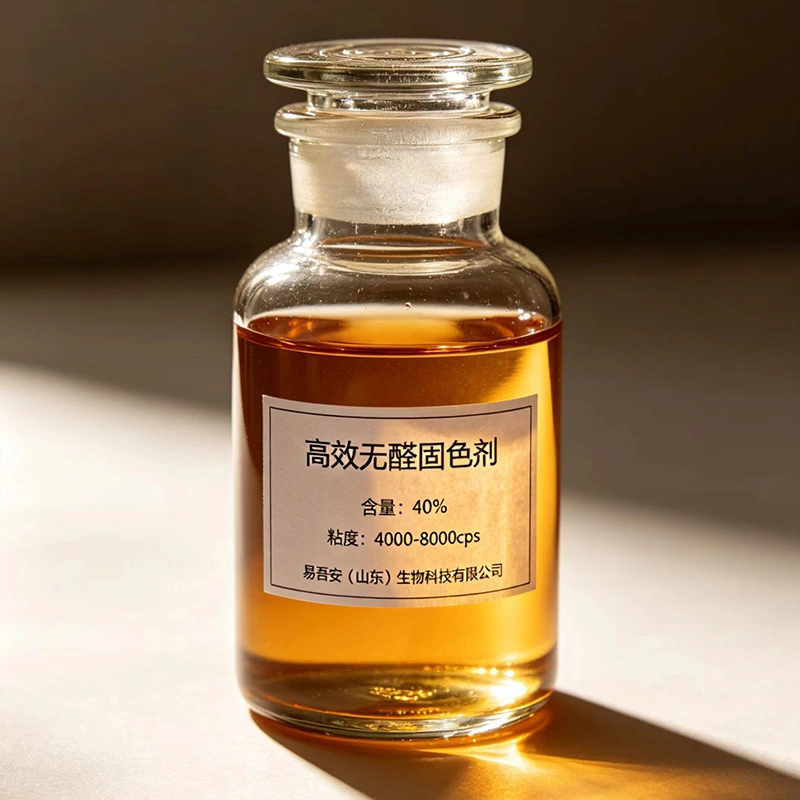
This Formaldehyde Free Textile Color Fixing Agent is a specialized eco-friendly auxiliary for textile finishing. Based on a strong cationic polyelectrolyte system, it offers stable overall performance and high charge density. The finished product is a transparent, amber-colored viscous liquid with excellent water solubility at room temperature; it disperses quickly and evenly in water and remains stable during long-term storage without layering, gelling, or precipitation.
It is non-flammable, safe, and mild, with minimal corrosion risk, making it suitable for standard production conditions in dyeing and printing workshops and ensuring excellent process compatibility.
1.2 Core Formaldehyde-Free Technology Principles
Utilizing a novel formaldehyde-free cross-linking synthesis process, no formaldehyde raw materials are added during production. The finished product contains no free formaldehyde and releases no harmful formaldehyde substances during use, thereby eliminating the risk of formaldehyde residue and emissions at the source. It effectively resolves industry pain points associated with traditional fixing agents—such as excessive formaldehyde levels, failure to meet fabric standards, and export restrictions—and complies with OEKO-TEX as well as European and American eco-friendly textile standards.
1.3 Compatibility and Operational Stability
The system offers strong compatibility and can be mixed with various non-ionic and cationic surfactants used in printing and dyeing without issues such as layering, emulsion breaking, or loss of effectiveness. It offers broad pH stability as well as resistance to high temperatures and chlorine; its performance remains undiminished during high-temperature processing and acidic or alkaline pulp adjustment, making it compatible with diverse textile printing and dyeing workflows.
2.1 Cationic Electrostatic Adsorption and Bonding Mechanism
The Formaldehyde Free Textile Color Fixing Agent's molecules carry high-density cationic active groups. Under acidic processing conditions, these precisely capture the anionic groups found in reactive and direct dyes. Through electrostatic interaction, they form stable ionic bonds, converting water-soluble dyes into insoluble lakes that are firmly locked within the fibers; this fundamentally reduces dye leaching and improves basic wash fastness.
2.2 Cross-linking Covalent Bond Reinforcement Mechanism
The molecules feature active cross-linking groups capable of reacting simultaneously with both fabric fibers and dye molecules. This creates high-strength covalent bonds and establishes a stable, three-dimensional color-fixing structure. Unlike products that merely form a physical film, this agent achieves deep bonding between dye and fiber, significantly enhancing durability and ensuring color retention even after repeated washing.
2.3 Fiber Surface Film-forming Protection Mechanism
Following the fixing treatment, the agent forms a thin, breathable, and soft transparent protective film on the fabric surface, uniformly encapsulating dye particles and filling fiber interstices. This film offers excellent resistance to abrasion, washing, and perspiration, effectively shielding the fabric from external moisture, friction, and acid-alkali erosion to maintain the overall stability of the dyed system.
2.4 Multi-dimensional Comprehensive Fastness Enhancement Mechanism
Through the synergistic action of multiple mechanisms, the agent simultaneously improves soaping, dry and wet rubbing, perspiration, and light/weathering fastness. It resolves common quality issues—such as color fading, whitening, color migration, and dullness—thereby consistently upgrading the quality of the finished fabric.
3.1 Tailored for the Specific Fixation Needs of Reactive and Direct Dyes
Specifically designed for the finishing processes of fabrics printed or dyed with reactive and direct dyes, this agent effectively addresses inherent flaws such as high water solubility, susceptibility to color loss, and poor wet-rub fastness. It offers targeted fixation and consistent performance, making it a mainstream fixing auxiliary for cotton and chemical fiber blend fabrics.
3.2 Low Dosage and Cost-Effectiveness
This formaldehyde-free textile color fixing agent is effective at very low concentrations; the standard dosage for fabric fixation is merely 0.5%--2% (o.w.f)—significantly lower than that required for traditional formaldehyde-based agents or standard formaldehyde-free products. High-standard fixation results are achieved with minimal dosage, effectively reducing auxiliary costs per meter for textile processing enterprises and making it ideal for large-scale production.
3.3 High Process Compatibility; No Equipment Modification Required
Compatible with the two mainstream fixation methods—adsorption and exhaustion (dip-dyeing)—it can be used directly on standard stenter frames and dyeing vats without requiring production line modifications. Additionally, its resistance to high temperatures and strong alkalis allows for use in complex processes such as high-temperature fixation and pH-adjusted padding, ensuring easy implementation.
3.4 Color Protection and Enhancement without Altering Original Fabric Shade
The fixation process preserves the fabric's original hue, avoiding issues such as shade shifting, darkening, or graying. It also enhances surface luster, resulting in brighter, more vibrant, and clear colors. The treated fabric retains a soft, smooth hand-feel—free from stiffness, roughness, or hardening—thereby maintaining a premium texture.
4.1 Long-Lasting Improvement in Wash and Soap Fastness
Utilizing a dual-action mechanism—color locking via ionic bonding and structural reinforcement via cross-linking—it drastically reduces the likelihood of dye loss due to water solubility. Even after repeated high-temperature washing and soaping, the fabric shows no significant fading, color bleeding, or staining. This effectively resolves issues such as color fading in garments and batch-to-batch shade variations, ensuring compliance with garment care quality standards.
4.2 Simultaneous Optimization of Dry and Wet Rub Fastness
The dense surface protective film cushions the fabric against frictional wear and reduces dye loss during rubbing, simultaneously improving both dry and wet rub fastness ratings. It is particularly effective in addressing the challenge of color transfer in dark-colored fabrics during wet rubbing, thoroughly resolving the industry-wide issue of substandard rub fastness for such fabrics.
4.3 Stable Enhancement of Perspiration and Weathering Fastness
It effectively resists degradation caused by human sweat (acid/alkali) as well as the effects of outdoor light and climatic aging. This prevents fading, discoloration, and a worn appearance after prolonged wear or storage, significantly enhancing the fabric's weather resistance and service life, thereby meeting the high-quality standards required for apparel, home textiles, and outdoor textile products.
5.1 Comparison of Environmental Safety and Compliance
Traditional formaldehyde-containing fixing agents leave residual free formaldehyde, often causing finished fabrics to exceed safety limits and preventing export to high-end markets in Europe and the US. In contrast, Formaldehyde Free Textile Color Fixing Agent is completely free of formaldehyde and harmful emissions; it complies with global environmental standards for textiles, ensures high regulatory compliance, poses no export restrictions, and is ideal for fulfilling export orders.
5.2 Comparison of Impact on Fabric Hand-feel and Color
Fabrics treated with traditional formaldehyde-containing agents tend to become stiff and harsh to the touch, with a duller surface appearance that compromises the fabric's texture. This product forms a lightweight, breathable film that does not stiffen fibers or impair softness; it also enhances color vibrancy, ensuring a premium look and feel for the finished fabric.
5.3 Comparison of Dosage, Cost, and Production Efficiency
Traditional fixing agents require high dosages and entail high material costs, with overuse often leading to fabric defects. This product achieves efficient fixation at low dosages—reducing consumption by over 30%—and reacts rapidly, making it suitable for high-speed assembly line production and effectively boosting dyeing and printing capacity.
5.4 Comparison of Process Compatibility and Stability
Traditional formaldehyde-containing products exhibit poor resistance to temperature extremes and pH fluctuations; process variations can easily lead to fixation failure or inconsistent color shading. This product offers excellent resistance to high and low temperatures, acids, alkalis, and chlorine, providing high process tolerance and ensuring consistent color and superior quality stability during mass production.
6.1 Core Environmental and Quality Standards
Environmental Standards: Zero free formaldehyde and zero formaldehyde emission; compliant with international eco-friendly textile regulations; free from toxic or harmful residues; suitable for high-end textile export orders.
Performance Standards: High charge density; rapid water solubility without gel formation; significantly improved color fastness after fixation; no alteration to fabric shade or hand-feel.
Stability Standards: Resistant to acids, alkalis, high temperatures, and chlorine; stable performance across a wide range of operating conditions; compatible with cationic and non-ionic auxiliaries.
6.2 Standardized Application Processes and Dosage Guidelines
Exhaust Method: Adjust pH to 4--5; treat at a constant temperature of 55--60°C for 15 minutes. Dosage: 0.3--0.5% (o.w.f.) for light shades, 0.5--1.0% (o.w.f.) for medium shades, and 1.0--2.0% (o.w.f.) for dark shades.
Immersion Method: 2.5--5.0 g/L for light shades, 5.0--10 g/L for medium shades, and 10--20 g/L for dark shades.
Conduct small-scale trials prior to full-scale production; fine-tune parameters based on fabric material and dye type to ensure optimal fixation results.
6.3 Packaging, Storage, and Shelf Life Specifications
Standard Packaging: 50kg, 125kg, and 200kg PE drums; 1000kg IBC totes; suitable for sampling, bulk procurement, and long-term inventory stocking.
Storage Conditions: Store in a sealed container within a cool, dry, and well-ventilated warehouse; keep away from strong oxidizing agents; store at room temperature and away from direct light.
Shelf Life: 2 years under standard storage conditions.
Transport Classification: Non-hazardous goods; convenient for sea and land transport; hassle-free cross-border customs clearance.
6.4 Manufacturer Quality Control & Supply Assurance
The Ewooan factory implements a comprehensive, closed-loop quality control system. Every batch of our Formaldehyde-Free Textile Color Fixing Agent undergoes rigorous verification of color-fixing performance, charge density, water-solubility stability, and environmental compliance, accompanied by a complete quality inspection report. We support sample testing, technical process guidance, and customized bulk supply; we can also provide tailored color-fixing process optimization plans based on specific customer dyeing and printing conditions to meet factory needs for cost reduction and quality improvement.
Q1: Is this Formaldehyde Free Textile Color Fixing Agent completely free of formaldehyde? Can it be used for fabrics destined for export?
Yes. This product utilizes formaldehyde-free raw materials and a formaldehyde-free synthesis process. The finished product contains no free formaldehyde and releases none during use, fully complying with international textile environmental standards. It can be safely used for export fabrics, high-end home textiles, and apparel fabrics without the risk of exceeding regulatory limits.
Q2: Which dyes and fabric types is it compatible with?
It is primarily compatible with fabrics dyed or printed using reactive and direct dyes. It is widely used on standard fabrics such as cotton and blends, and fits the standard post-dyeing/printing finishing processes of the vast majority of textile mills, offering excellent versatility.
Q3: Will it cause the fabric to become stiff or the color shade to darken after use?
No. The product forms a lightweight, breathable film that does not clog fiber pores or cause fabric stiffening. Treated fabrics retain a soft, smooth hand-feel and enhanced surface luster, while the original color shade is precisely preserved—avoiding issues like darkening, graying, or color shifts.
Q4: How should the dosage be precisely controlled for fabrics of different colors?
Light-colored fabrics require the lowest dosage, while medium shades require a moderate amount. Dark-colored fabrics, due to higher dye content and a greater tendency for color bleeding, require a higher dosage. We recommend conducting a small-scale trial before full production to determine optimal parameters based on fabric thickness and the dye system, thereby balancing color-fixing performance with production costs.
Address
Wanhong Plaza, Jinan City, Shandong Province, China
Tel