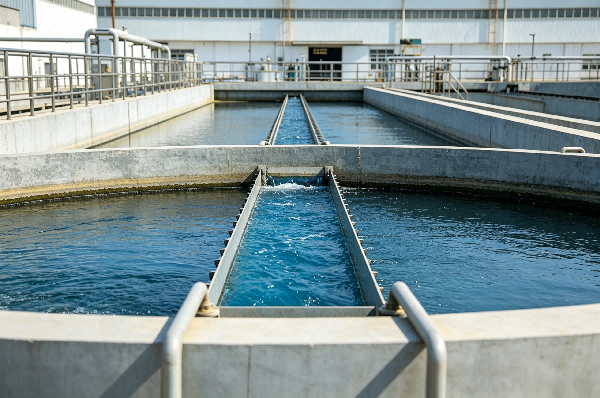
Industrial wastewater generated during production processes contains various pollutants, including suspended solids, organic matter, color, oil and grease, salts, and other contaminants.
It cannot be directly discharged or reused without proper treatment. A complete industrial water treatment system mainly relies on a combination of physical filtration, chemical treatment, biological degradation, and advanced purification processes to achieve wastewater purification, compliant discharge, and water reuse.
Among these processes, water treatment chemicals play a critical role in improving treatment efficiency and optimizing water quality.
Classification and Working Principles of Core Water Treatment Chemicals
Industrial water treatment chemicals are diverse in types. Different chemicals are designed to address specific water quality issues and play their respective roles in solving problems such as water pollution and equipment damage. They are essential materials in wastewater treatment processes.
Coagulants and Flocculants (Core Chemicals for Wastewater Pretreatment)
Fine suspended particles and colloidal substances in water usually carry charges, allowing them to remain suspended and preventing natural sedimentation. These particles are the main causes of water turbidity and excessive color.
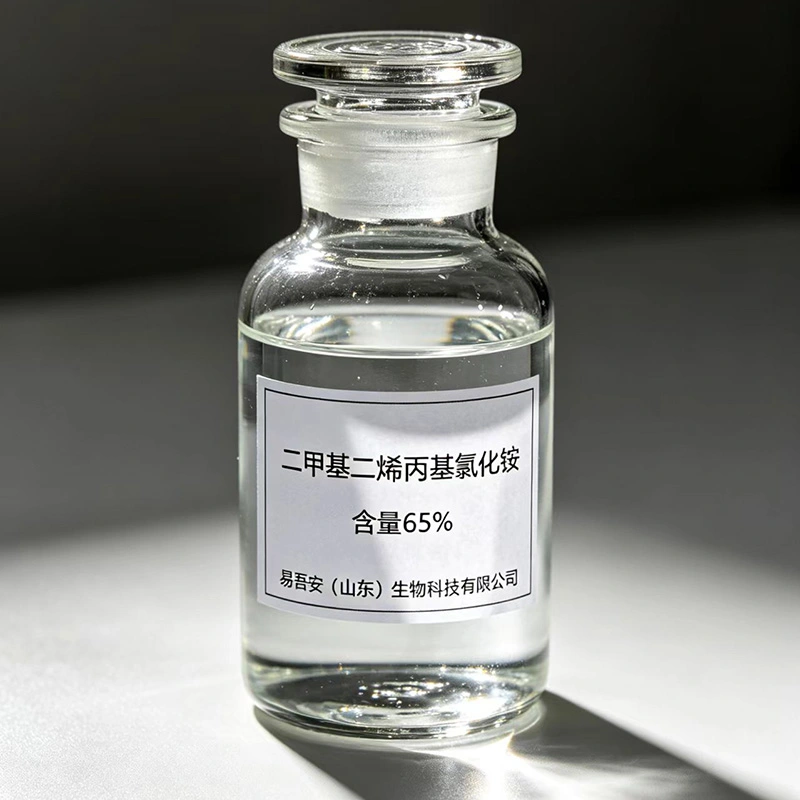
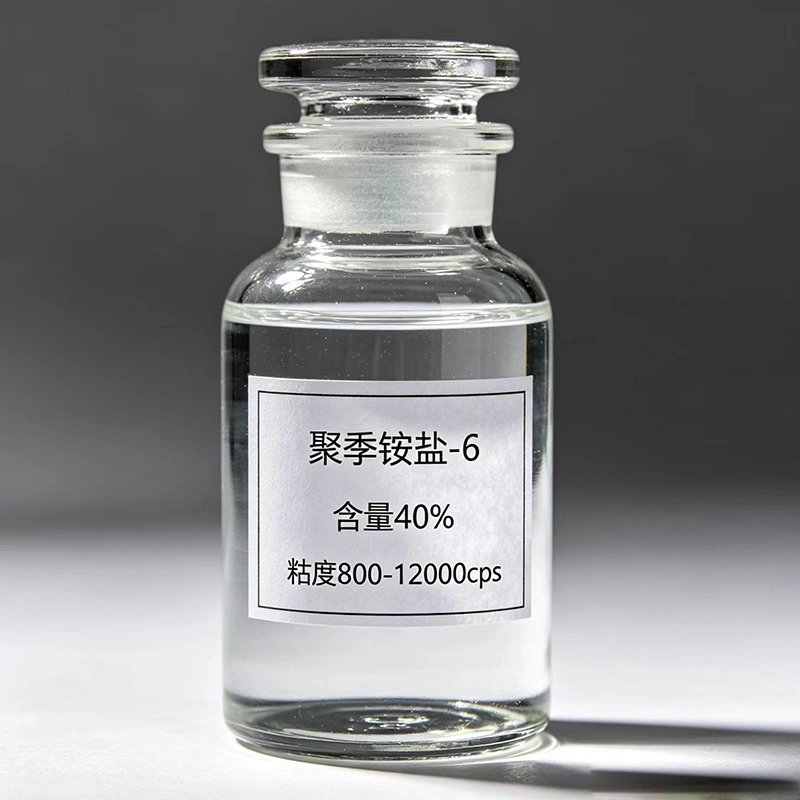
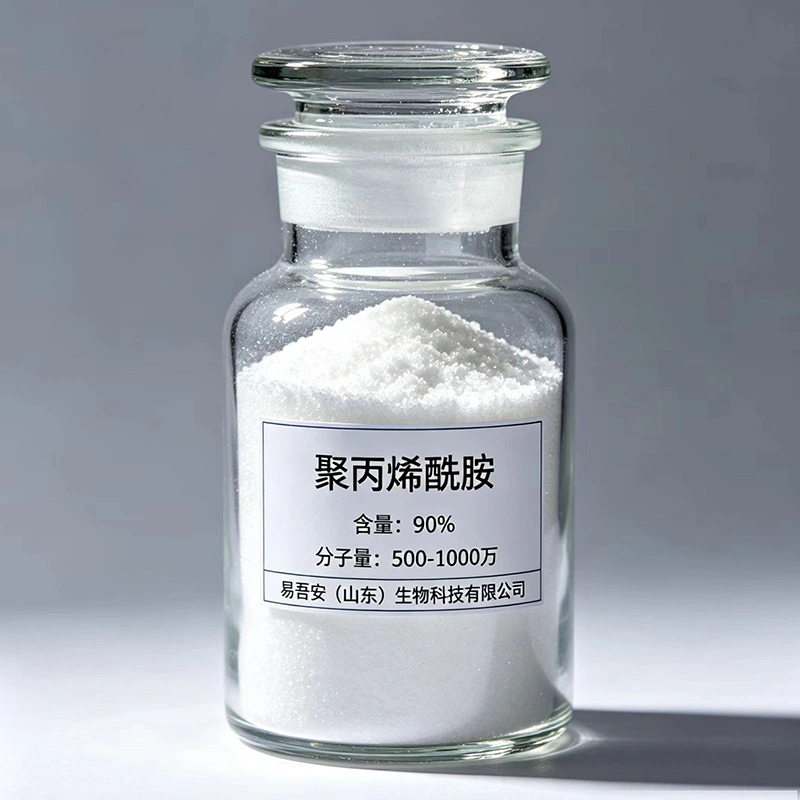
Commonly used chemicals such as polyaluminum chloride , polyacrylamide , and PolyDADMAC can destabilize colloidal particles through three major mechanisms: charge neutralization, adsorption bridging, and flocculation sedimentation.
These chemicals enable small impurities to aggregate into larger flocs, which can then be rapidly separated through sedimentation. They are mainly used for removing suspended solids, color, partial organic matter, and heavy metals from wastewater.
They are also widely applied in sludge dewatering processes, significantly reducing wastewater turbidity and lowering the load for subsequent advanced treatment.
Functional Specialty Chemicals (Targeted Treatment for Complex Water Quality Issues)
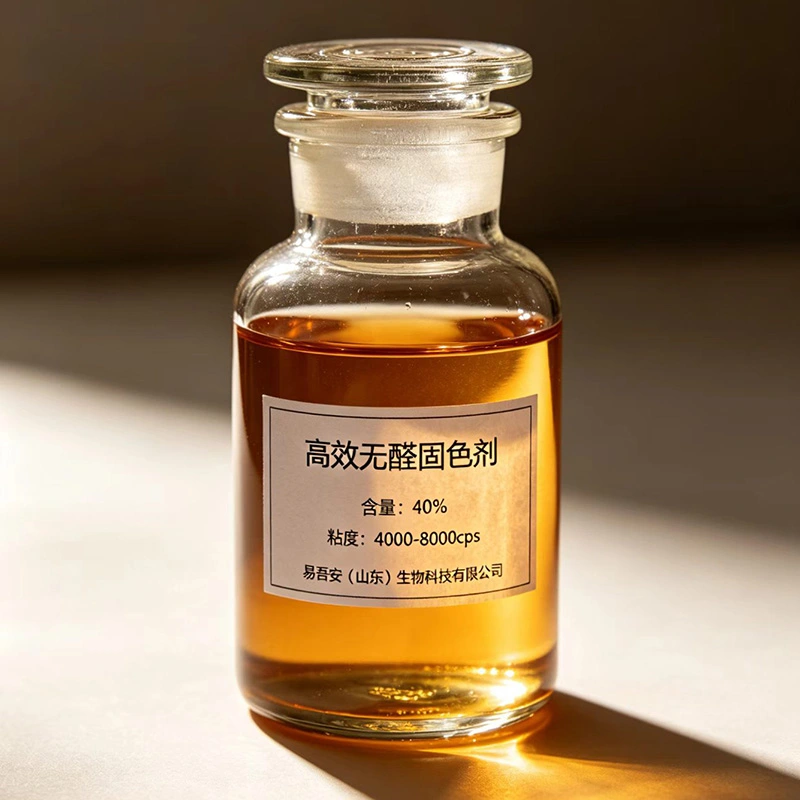
For special wastewater types such as oilfield produced water, high-color textile wastewater, and high-salinity industrial wastewater, specialty chemicals including reverse demulsifiers and decolorizing agents provide targeted solutions.
Demulsifiers can break oil-water emulsions and accelerate the separation of crude oil and grease from wastewater. Specialized decolorizing agents can degrade color-causing compounds in water, effectively reducing wastewater color and meeting treatment requirements for various complex industrial wastewater applications.
Mainstream Industrial Water Treatment Process
Industrial wastewater treatment does not rely on a single chemical treatment method. Instead, it adopts a step-by-step process system combining different treatment technologies to progressively improve water quality while balancing treatment performance and operating costs.
Step 1: Pretreatment
Through equalization tanks, wastewater quality and flow rate are stabilized. Large particles, sediments, floating materials, and oil are removed to prevent clogging of downstream equipment and ensure stable influent conditions.
Step 2: Physicochemical Treatment
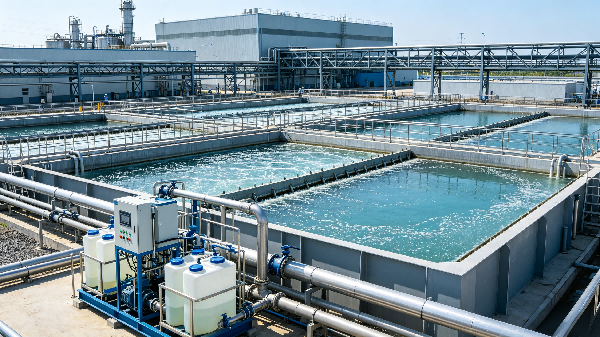
Coagulants and flocculants are added during this stage. Through processes such as coagulation, flocculation, sedimentation, and flotation, most suspended solids, color, and particulate pollutants are removed.
This is one of the key preliminary treatment stages, significantly reducing the load on subsequent treatment processes.
Step 3: Biological Treatment
Biological treatment utilizes microorganisms to degrade soluble organic pollutants in wastewater, reducing key indicators such as COD and ammonia nitrogen, and further improving water quality.
Step 4: Advanced Treatment and Water Reuse
For wastewater after biological treatment, advanced technologies such as ozone oxidation, ultrafiltration, and reverse osmosis are applied to remove residual organic compounds and salts.
The treated clean water can be reused in industrial applications such as equipment washing and cooling water circulation, enabling water recycling and significantly reducing industrial water consumption costs.
Key Development Trends in Modern Water Treatment Technology
With stricter environmental regulations and increasing demand for energy saving and cost reduction, the water treatment industry has moved beyond simple wastewater discharge compliance and is developing toward three major directions: precision treatment, resource recovery, and green low-carbon solutions.
Traditional single-component chemicals often have limited adaptability, require higher dosage, and generate more sludge. In contrast, new customized compound formulations can be designed according to different wastewater characteristics, achieving higher treatment efficiency, lower energy consumption, and reduced secondary pollution.
At the same time, environmentally friendly biodegradable chemicals, intelligent dosing systems, and zero liquid discharge (ZLD) technologies are becoming increasingly common. These innovations represent the future trend of industrial water treatment, helping industries achieve both environmental compliance and energy-efficient production.
We use cookies to offer you a better browsing experience, analyze site traffic and personalize content. By using this site, you agree to our use of cookies. Privacy Policy