Epichlorohydrin Product ApplicationsEpichlorohydrin is a vital organic chemical intermediate within the C‑3 industrial chain. Epichlorohydrin contains epoxy groups and chlorine atoms in molecular structure, and Epichlorohydrin possesses high chemical reactivity. Epichlorohydrin is barely applied as a finished end‑product. Epichlorohydrin mainly acts as synthetic raw material for multiple downstream industries. Epichlorohydrin covers application fields including resin production, water‑treatment chemical, rubber manufacturing, light‑industry processing and pharmaceutical synthesis.
1. Epoxy Resin Sector (Largest Application Field)
Epoxy resin is the primary downstream consumption field for epichlorohydrin. Epichlorohydrin carries out polycondensation reaction with bisphenol‑A to produce general‑purpose and special‑grade epoxy resins. Epoxy resins synthesized from epichlorohydrin feature strong adhesive capacity, excellent chemical corrosion resistance, stable electrical insulation and favorable mechanical performance.
Coating industry makes extensive use of epoxy resins derived from epichlorohydrin. Related products include anti‑corrosion coatings for steel structures, protective paints for ships and containers, industrial epoxy floor paints and anti‑corrosion pipeline coatings. These materials serve infrastructure construction and marine engineering equipment protection projects.
Adhesive products are another major consumption direction for epoxy resins made from epichlorohydrin. Various epoxy structural adhesives and AB potting adhesives take epichlorohydrin‑based epoxy resin as base material. These adhesives realize reliable bonding for metal, ceramics, glass and composite materials.
Electronic and electrical manufacturing puts forward strict quality requirements for epoxy resin produced by epichlorohydrin. Epoxy resin from epichlorohydrin can be used for PCB substrates and potting insulating materials of electronic components. High‑purity epoxy resin sourced from epichlorohydrin fits production demands of semiconductor and new‑energy electronic encapsulation.
Composite material industry also relies on epoxy resin synthesized from epichlorohydrin. Epoxy resin from epichlorohydrin works as matrix resin for fiberglass‑reinforced plastics and wind‑turbine blades. Such products are widely adopted in wind‑power facilities, sports equipment and aviation supporting component manufacturing.
2. Water‑Treatment Polymers and Fine Auxiliaries
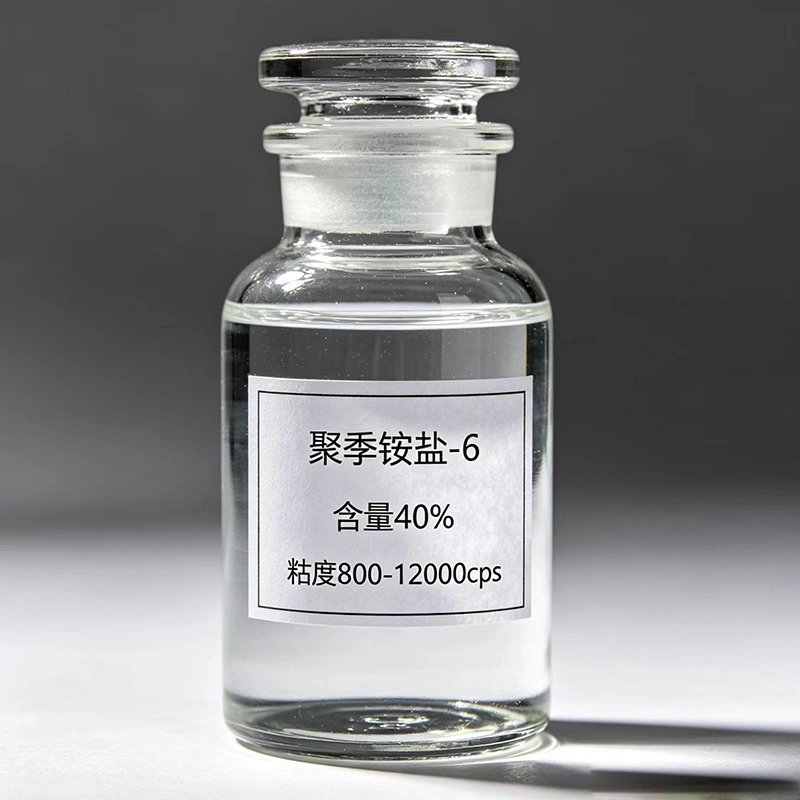
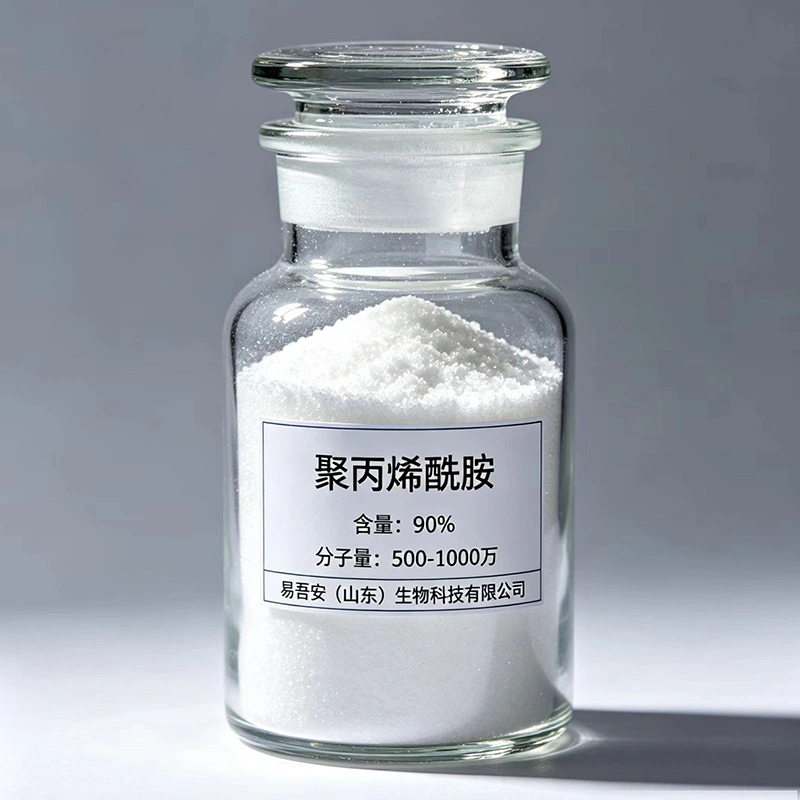
The water‑treatment polymer sector represents a fast‑expanding downstream market for epichlorohydrin. Epichlorohydrin serves as core raw material for manufacturing cationic polymer products.
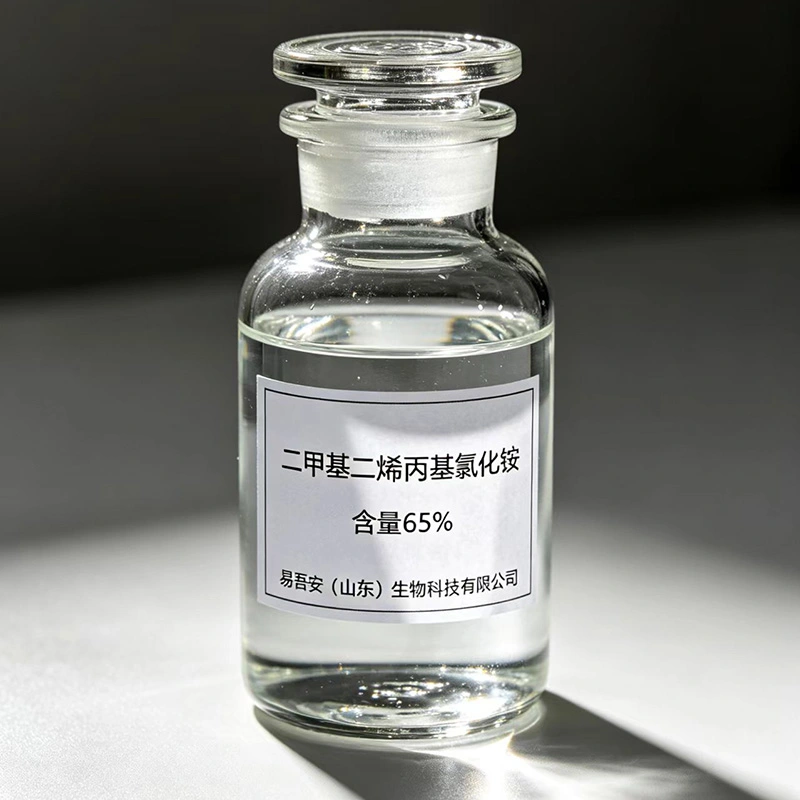
Epichlorohydrin reacts with amine substances to manufacture DADMAC, PolyDADMAC and other quaternary‑ammonium cationic flocculants and cationic etherifying agents.
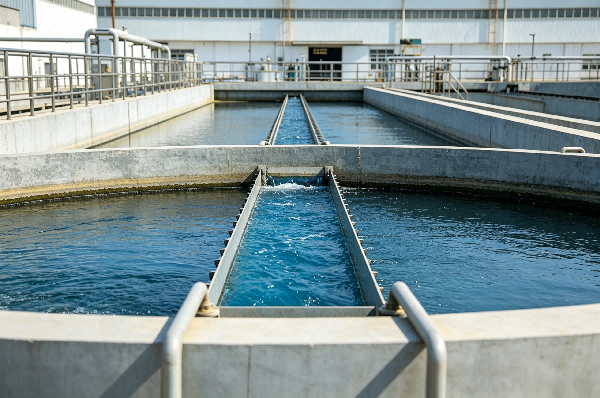
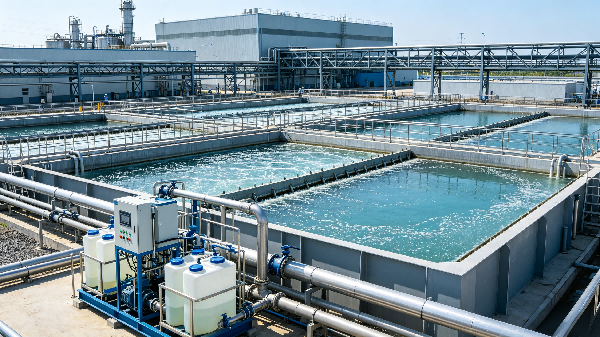
Chemicals produced from epichlorohydrin handle decolorization, turbidity removal and sludge dewatering for municipal sewage and industrial wastewater. Chemicals produced from epichlorohydrin are also suitable for circulating water and swimming‑pool water‑treatment systems. Epichlorohydrin can further synthesize ion‑exchange resins for water purification and chemical material separation.
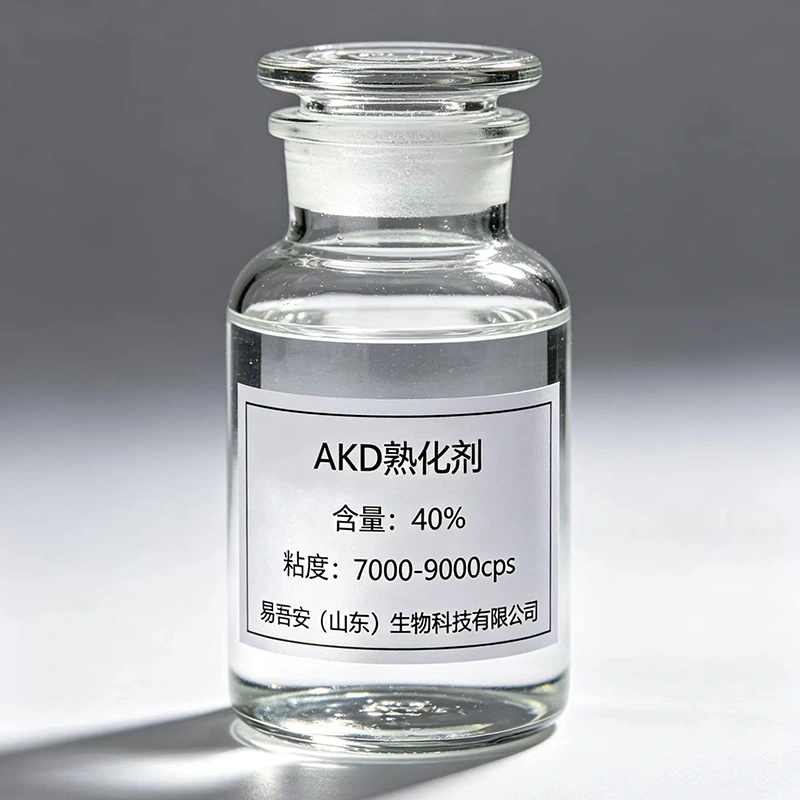
Paper‑making industry adopts epichlorohydrin to synthesize polyamide‑epichlorohydrin (PAE) paper wet‑strength agents. Wet‑strength agents made from epichlorohydrin enhance the wet‑end strength of filter paper and packaging paper. Such products are widely used in tea‑bag paper and special packaging‑paper production lines.
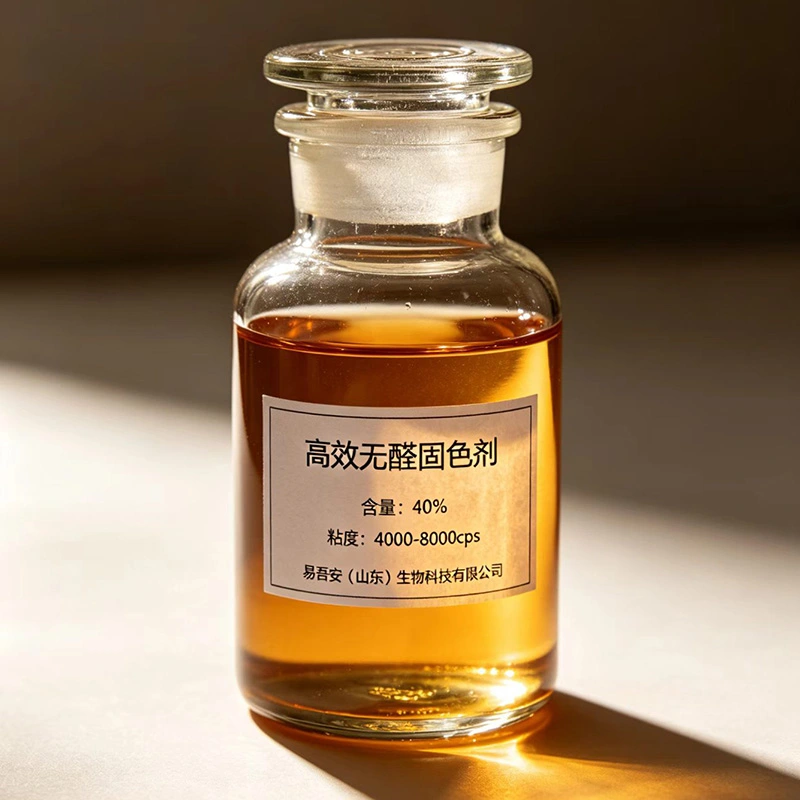
Textile processing industry uses epichlorohydrin to produce formaldehyde‑free fabric color‑fixing agents, softening and antistatic auxiliaries. Auxiliaries manufactured by epichlorohydrin improve fabric color fastness and reduce color fading caused by printing and dyeing procedures.
3. Rubber and Synthetic Glycerin
Epichlorohydrin rubber is manufactured through homopolymerization or copolymerization of epichlorohydrin. Epichlorohydrin rubber delivers outstanding oil resistance, ozone resistance, anti‑aging property and good air tightness. Epichlorohydrin rubber is applied for automobile fuel hoses, oil seals, industrial sealing parts and cable sheaths.
High‑purity synthetic glycerin can be obtained via hydrolysis processing of epichlorohydrin. Most commercial glycerin comes from biodiesel by‑products at present.
Synthetic glycerin produced from epichlorohydrin remains an important alternative for pharmaceutical and daily‑chemical fields with strict purity standards. Synthetic glycerin made from epichlorohydrin can be used for pharmaceutical excipients, cosmetic moisturizing raw materials and fine‑chemical solvents.
4. Pharmaceuticals, Pesticides and Other Fine‑Chemical Products
Epichlorohydrin functions as organic synthetic intermediate for pharmaceutical and pesticide production. Epichlorohydrin participates in the synthesis of certain medicines, herbicides and plant growth regulators.
Epichlorohydrin is applied for producing epoxy curing agents, cross‑linking agents, stabilizers and other fine‑chemical auxiliaries. Epichlorohydrin can also act as organic solvent for resin and cellulose materials under specific working scenarios.Industry Development CharacteristicsEpoxy resin maintains the basic demand volume for epichlorohydrin in current industry landscape.
With stricter domestic environmental‑protection regulations, market demand for fine‑chemical auxiliaries in sewage treatment, paper‑making and textile industries keeps growing. The rising market demand drives higher raw‑material consumption of epichlorohydrin. Downstream industries keep lifting standards for purity and impurity control of epichlorohydrin. Higher standards push upstream manufacturers of epichlorohydrin to upgrade quality‑management systems. The whole industry of epichlorohydrin develops toward integrated and eco‑friendly low‑carbon production modes.
We use cookies to offer you a better browsing experience, analyze site traffic and personalize content. By using this site, you agree to our use of cookies. Privacy Policy