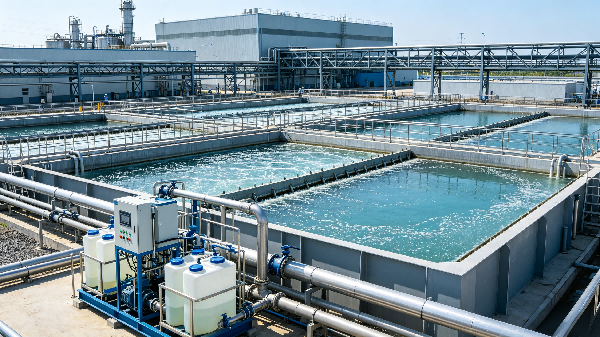
Polymer flocculants are widely used in industrial wastewater treatment, sludge dewatering, and water recycling systems. However, improper flocculant selection often leads to low flocculation effect, excessive dosage, high operating costs, and unstable effluent quality. To help factories achieve stable water treatment performance and cost-saving results, this article introduces how to select the most suitable polymer flocculant based on actual wastewater quality and treatment processes.
Select by Wastewater Quality Characteristics
Different types of wastewater carry different charged particles, which determine whether anionic, cationic, or non-ionic polymer flocculant should be applied.
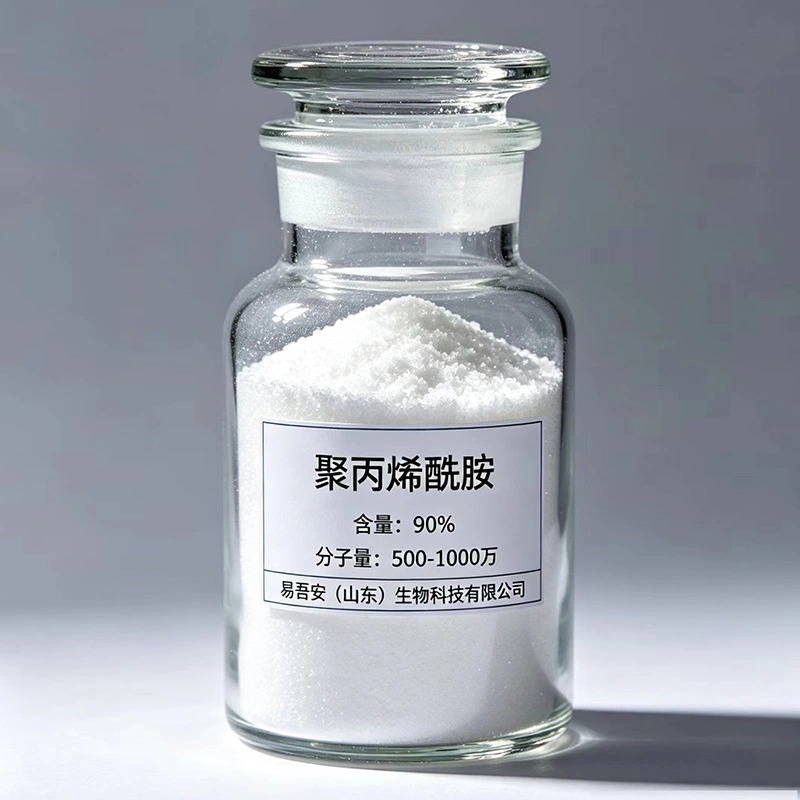
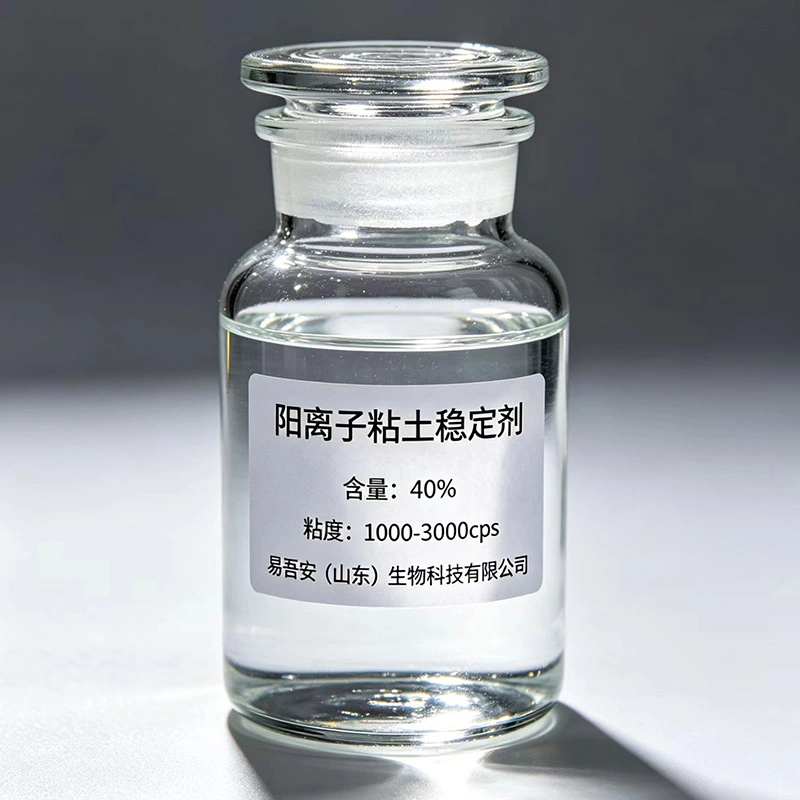
Cationic Polymer Flocculant is ideal for high organic wastewater, including domestic sewage, food processing wastewater, printing and dyeing wastewater, and sludge dewatering scenarios. It performs excellently in removing organic suspended solids, reducing COD, and compressing sludge volume.
Anionic Polymer Flocculant fits industrial water with high inorganic suspended solids, such as mining wastewater, coal washing water, chemical circulating water, and steel wastewater. It quickly aggregates fine inorganic particles and improves sedimentation speed.
Non-ionic Polymer Flocculant is suitable for low-temperature, low-turbidity, or acidic wastewater with unstable water quality. It maintains stable flocculation effect under complex and extreme water conditions.
Select According to Different Treatment Processes
Wastewater treatment processes directly determine the required flocculant molecular weight, ionic degree and dosage range.
Sedimentation and Clarification Process: Medium and high molecular weight anionic or non-ionic flocculants are preferred to form large and fast-settling flocs.
Air Flotation Process: Low-to-medium molecular weight flocculants work better to produce light and stable flocs that can float smoothly.
Sludge Dewatering Process: High ionic degree cationic flocculants are the best choice to improve solid-liquid separation and reduce sludge moisture content.
Avoid Common Selection Mistakes
Many enterprises blindly use universal flocculant models, resulting in poor treatment efficiency. Using overly high molecular weight products may cause water viscosity increase and difficult filtration, while mismatched ionic types will lead to no flocculation reaction at all.
Professional flocculant selection based on water sample testing can greatly reduce chemical consumption, improve water treatment stability, and avoid long-term waste of operating costs.
Customized Flocculant Solution Matching
In actual industrial water treatment projects, standardized universal flocculant models are often unable to adapt to complex and variable water quality conditions. Comprehensive factors including wastewater composition, temperature, pH value, treatment equipment and daily water volume should be taken into consideration for targeted flocculant matching.
Customized flocculant solutions with specific molecular weight and ionic degree can effectively adapt to diverse treatment scenarios. This precise matching method significantly optimizes flocculation performance, reduces chemical dosage, stabilizes effluent standards, and improves the overall economic efficiency of long-term wastewater operation.
We use cookies to offer you a better browsing experience, analyze site traffic and personalize content. By using this site, you agree to our use of cookies. Privacy Policy