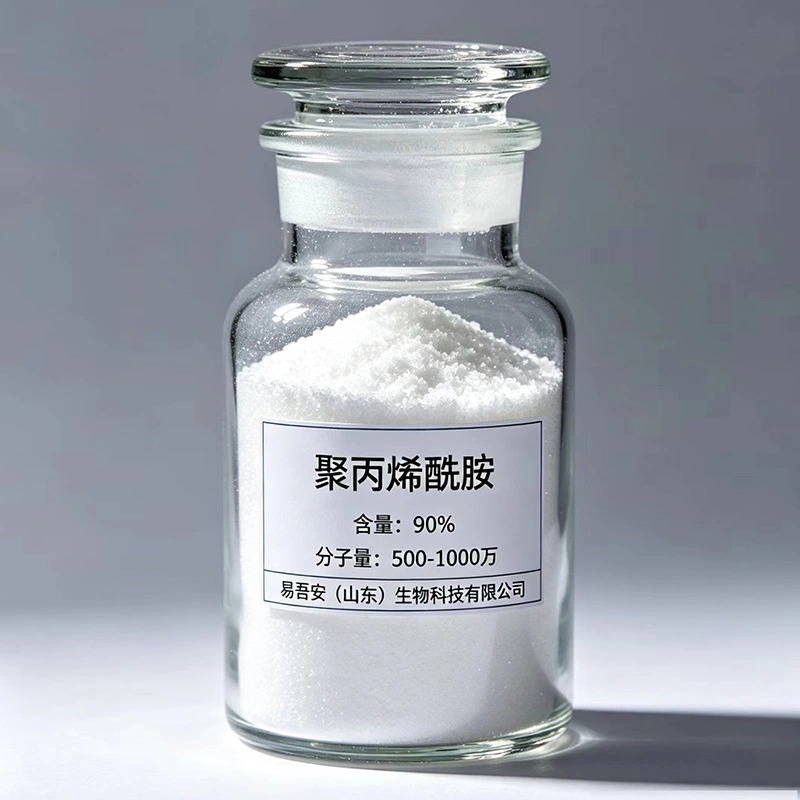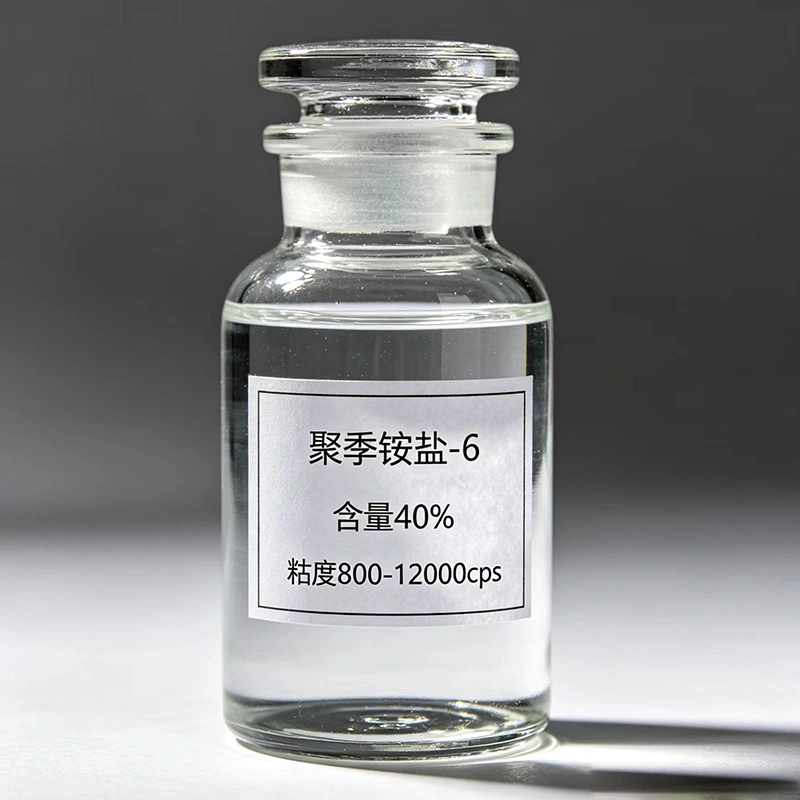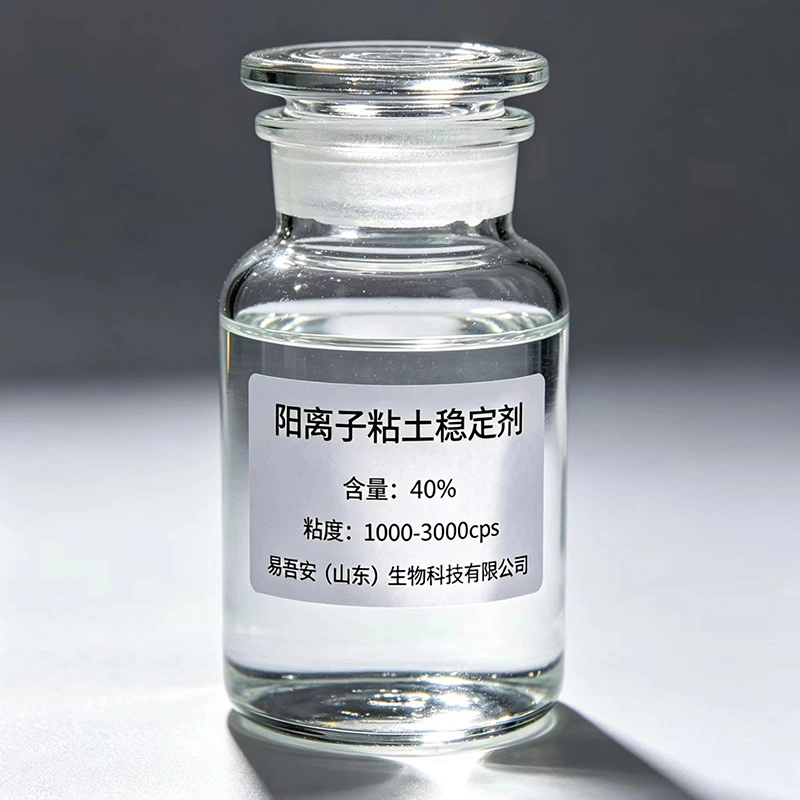
We offer a comprehensive portfolio including DMDAAC, PDMDAAC (liquid and exclusive bead/powder forms), and Polyacrylamide (PAM) series, with an annual production capacity of over 50,000 tons to meet diverse industrial needs.
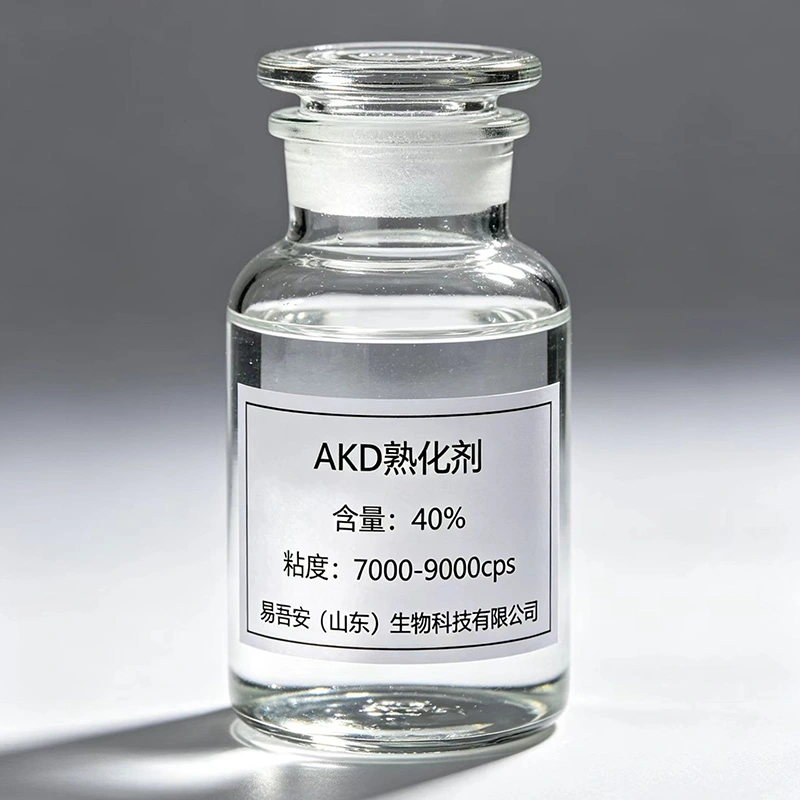
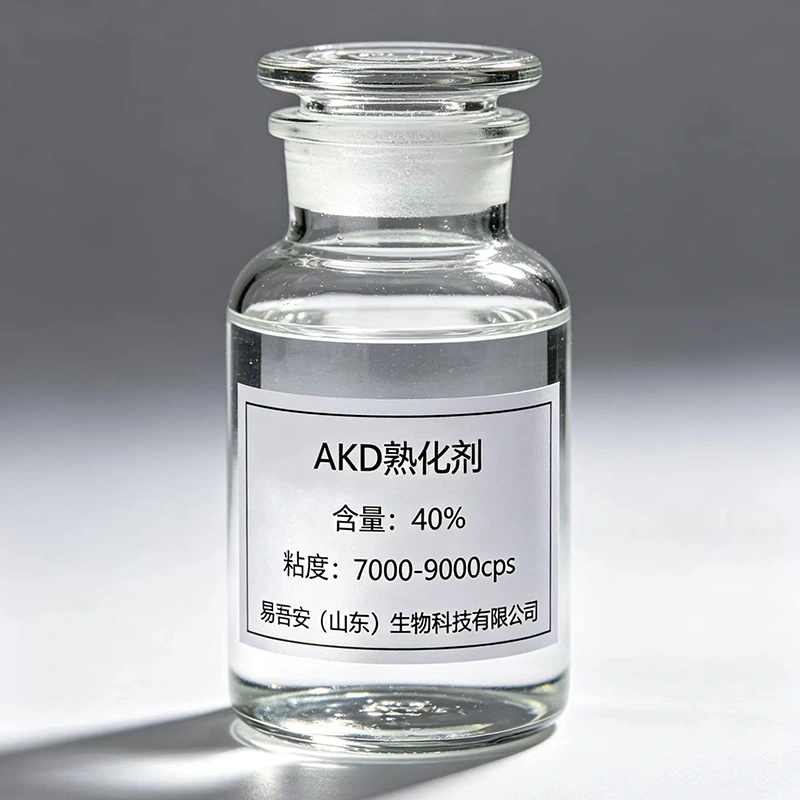
The AKD Sizing Promoter is a specialized cationic polymeric additive designed for modern neutral-to-alkaline AKD sizing processes. It addresses industry challenges such as low retention rates, delayed curing, susceptibility to hydrolysis and migration, and wet-end instability. Serving as a core third-generation AKD auxiliary, it is widely used in the production of multifunctional copy paper containing precipitated calcium carbonate (PCC) fillers and is compatible with diverse processes such as de-inking and pitch control.
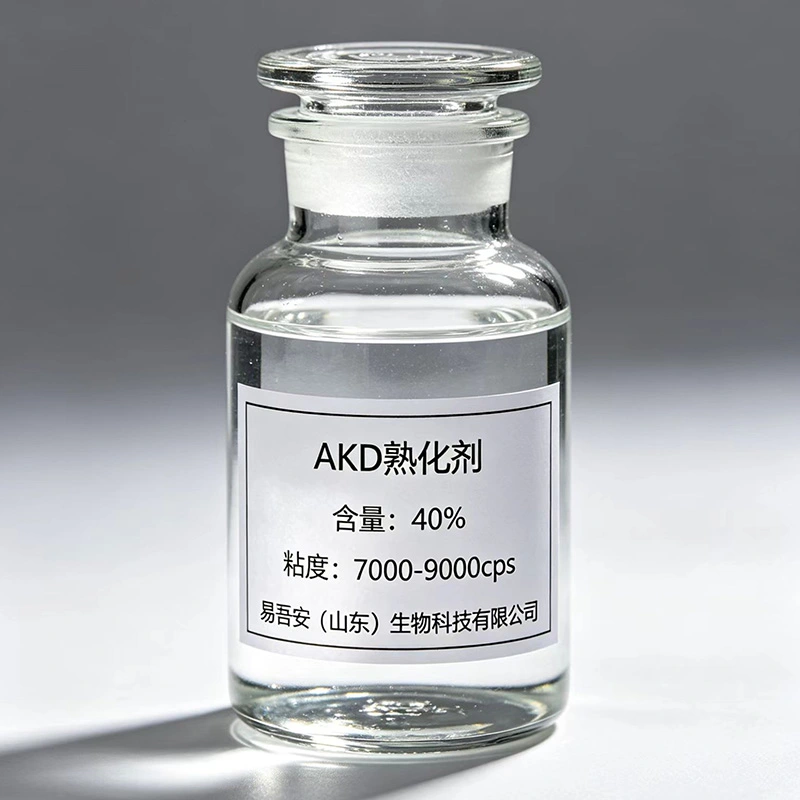
| Item / Code | 331-1 | 331-2 | 331-3 |
| Appearance | Colorless to light yellow viscose liquid | ||
| Solid content, % | 40±1 | 40±1 | 40±1 |
| PH | 4.0-7.0 | ||
| Viscosity(25℃), cps | 7000-9000 | 8000-12000 | 10000-15000 |
| Use condition | Surface/inner | Surface/inner | inner |
|
|
Most paper type | Most paper type | Most paper type |
|
|
Rapid promote | Rapid promote | Rapid promote |
1.1 Core Product Definition
The AKD Sizing Promoter is a cationic polymeric synergistic additive designed specifically for use with neutral-to-alkaline AKD sizing systems. Unlike traditional sizing agents, this product does not function as a standalone sizing agent; instead, it optimizes the entire AKD sizing process through multiple mechanisms—including charge neutralization, bridging adsorption, and catalytic curing—acting as a specialized chemical for enhancing wet-end efficiency.
1.2 Core Process Compatibility
The AKD Sizing Promoter effectively inhibits the hydrolysis-induced failure and free migration of AKD emulsions, reducing chemical loss at the source and resolving issues related to the short effective lifespan and post-production sizing decay typical of conventional AKD sizing. It is compatible with high-filler and high-PCC copy paper formulations, aligns perfectly with third-generation AKD sizing standards, and meets the demands of continuous, large-scale production on modern high-speed paper machines.
1.3 Long-lasting compatibility with recycled paper
It exhibits exceptional adsorption stability; even after the paper is recycled and repulped, 60% of the cationic polymer remains stably adsorbed on the fiber surface. This continuously imparts excellent water-resistant sizing properties to the recycled paper, effectively enhancing quality and reducing the cost of chemical replenishment during the recycling process.
1.4 Multi-process compatibility
Beyond its core function of enhancing sizing efficiency, it serves as a cationic surfactant for waste paper de-inking and an agent for controlling pulp resin. This multifunctional capability simplifies chemical procurement and dosing procedures in the paper mill, making it suitable for diverse papermaking scenarios.
2.1 Mechanism of charge bridging to enhance AKD retention
Papermaking white water, fibers, and AKD emulsion particles are predominantly negatively charged, leading to significant charge repulsion. This often causes substantial AKD loss into the white water—preventing fiber attachment—and results in low sizing efficiency. The product's highly active cationic groups act as a charge bridge, precisely linking negatively charged AKD particles to pulp fibers. This significantly boosts single-pass AKD retention, minimizes chemical waste, and ensures uniform, stable sizing performance.
2.2 Mechanism of inhibiting hydrolysis and migration to lock in sizing efficacy
Conventional AKD emulsions tend to lose effectiveness through hydrolysis and migrate uncontrollably in neutral-to-alkaline environments, causing uneven sizing and significant differences between the paper's top and wire sides. Upon adsorption and film formation, this product encapsulates and protects the active AKD components, effectively restricting hydrolysis and random migration. By stabilizing AKD activity and ensuring uniform fixation of sizing components onto the fiber surface, it prevents issues such as localized sizing voids or weak sizing.
2.3 Mechanism of catalyzing curing and shortening the sizing development cycle
A inherent drawback of AKD is its slow curing rate; the delay in achieving target sizing levels severely constrains production efficiency on high-speed paper machines and slows down finished product inventory turnover. This product catalyzes the cross-linking reaction between AKD and cellulose hydroxyl groups, accelerating the orderly fixation and film formation of AKD. It significantly shortens the curing cycle—reducing the time required by two-thirds in actual tests—thereby meeting the demands of high-speed, high-volume production.
2.4 Mechanism for Neutralizing Anionic Impurities and Stabilizing the Wet-End System
In modern papermaking, the closed-loop circulation of white water leads to an accumulation of "anionic trash," which severely interferes with the stability of AKD sizing. The AKD Sizing Promoter precisely neutralizes anionic impurities in the wet end, balances the pulp's Zeta potential, and optimizes the wet-end chemical environment. Simultaneously, it prevents deposits and scaling on roll surfaces, reducing issues such as sheet breaks and downtime for cleaning.
3.1 Specialized Sizing for Calcium Carbonate-Filled Copy Paper
Designed specifically for third-generation AKD processes, this product is suitable for the production of multifunctional copy and printing papers with high precipitated calcium carbonate (PCC) filler content. It addresses challenges associated with high-filler systems—such as sizing difficulties, low retention rates, and uneven surface water absorption—while stabilizing water resistance and surface smoothness to ensure office paper meets physical and chemical specifications.
3.2 Continuous Sizing on High-Speed Paper Machines
Compatible with various high-speed paper machines operating under neutral-to-alkaline sizing conditions. Leveraging its rapid curing and stable retention properties, it resolves issues like delayed sizing development and significant batch-to-batch fluctuations during high-speed production. It enables higher machine speeds, shortens the curing period for finished paper, and accelerates product turnover and capital recovery.
3.3 De-inking of Recycled Waste Paper
Acts as a specialized cationic surfactant for waste paper de-inking. Its hydrophilic cationic groups rapidly adsorb ink particles, rendering the ink hydrophobic and strengthening the bond between ink and air bubbles. This enhances flotation de-inking efficiency, effectively increasing post-de-inking pulp brightness and improving the visual quality of the recycled paper.
3.4 Control of Pulp Resin Deposits
Functions as a component of resin control aids, adsorbing and trapping resin impurities within the pulp. It prevents resin agglomeration and deposition—which cause surface spots, roll scaling, and frequent paper defects—thereby purifying the pulp system and enhancing both the cleanliness of the finished paper and production stability.
3.5 Production Using Recycled Paper
Addresses the challenges associated with repeated waste paper recycling and the degradation of sizing performance. It remains active throughout the fiber recycling process; 60% of its effective components anchor to the recycled fibers, ensuring sustained water resistance and sizing performance while reducing the cost of papermaking additives.
5.1 Chemical Utilization Efficiency: Eliminating Waste
Traditional single-agent AKD sizing processes suffer from low retention rates, with significant amounts of chemicals lost in white water, leading to raw material waste and high production costs. When used alongside an AKD Sizing Promoter, the active AKD components are precisely anchored, drastically improving utilization efficiency; this allows for reduced AKD dosage while maintaining the same sizing performance, thereby cutting costs and boosting efficiency.
5.2 Curing Efficiency: Suited for High-Speed Mass Production
Traditional AKD cures slowly, resulting in a lag before sizing targets are met; this is incompatible with high-speed paper machine operations and requires long resting periods for the finished product. This product offers significant catalytic curing effects, drastically shortening the curing cycle to enable immediate production and rapid target achievement, making it ideal for modern continuous mass production models.
5.3 System Stability: Superior Interference Resistance
Traditional processes are susceptible to interference from closed-loop white water systems, anionic impurities, and high-filler content, leading to inconsistent sizing and frequent paper defects. This product balances wet-end charge and resists system impurities, ensuring stable production even under harsh conditions such as complex water quality, high filler loads, and multiple-recycle pulp streams.
5.4 Functional Scope: Multifunctional Performance for Quality and Cost Efficiency
Traditional AKD offers only a single sizing function and cannot enhance paper strength or assist with de-inking and resin control. This product integrates multiple functions—sizing enhancement, strength improvement, de-inking assistance, resin control, and stabilized performance in recycling—simplifying the chemical system and offering a far superior overall cost-performance ratio compared to traditional single-agent processes.
6.1 Standardized Feeding Process
This product is designed for use in combination with 15% concentration fresh AKD emulsion. The industry-standard dosage is 20--30 kg of this product per tonne of 15% AKD emulsion. Small-scale trials must be conducted prior to full-scale application to fine-tune the dosage based on paper grade, filler ratio, machine speed, and white water quality, ensuring optimal sizing and stable production.
6.2 Procurement and Quality Acceptance Standards
Functional Standards: Effectively inhibits AKD hydrolysis and migration; significantly improves retention rates and shortens curing time; ensures finished paper meets sizing degree and strength specifications.
Compatibility Standards: Compatible with third-generation AKD processes, high calcium carbonate filler systems, and conditions involving de-inked waste paper and resin control.
Stability Standards: Optimizes wet-end chemistry; reduces roll surface deposits, paper breaks, and downtime; ensures consistent performance across batches.
6.3 Packaging Specifications and Storage/Transport Requirements
Packaging: Available in 50kg, 125kg, and 200kg PE drums, as well as 1000kg IBC totes; supports small-batch sampling, bulk purchasing, and long-term fixed-price stocking.
Storage Conditions: Store in a sealed container within a cool, dry, and well-ventilated warehouse; keep away from light; strictly prohibit storage with strong oxidizing agents.
Shelf Life: 2 years under standard storage conditions.
Transport Attributes: Non-hazardous; safe for transport without special regulatory restrictions; supports nationwide bulk delivery and cross-border supply.
6.4 Supplier Advantages and Technical Services
As an original manufacturer, Ewooan offers ample production capacity, strict batch quality control, and stable, long-term stock availability. We provide one-stop services for purchasing clients, including free small-scale trials for product selection, process debugging, dosage optimization, and on-site technical guidance. We tailor solutions to specific paper grades and production lines, helping clients maximize quality improvements, increase production speeds, and reduce costs.
Q1: What is the core function of the AKD sizing promoter?
The core function of the AKD Sizing Promoter is to address three major pain points of AKD sizing: low retention, slow curing, and susceptibility to hydrolysis and migration. It balances wet-end charge, reduces paper defects, and simultaneously enhances both sizing degree and physical strength. Suitable for high-speed paper machines and recycled paper production, it comprehensively optimizes the entire AKD sizing process.
Q2: How is the standard dosage controlled, and is on-site adjustment required?
The standard reference dosage is 20--30 kg of this product per tonne of 15% fresh AKD emulsion. However, due to variations in paper grades, fillers, machine speeds, and water quality across production lines, we recommend conducting small-scale trials to determine the precise dosage and avoid chemical waste or suboptimal results.
Q3: Does the product remain effective after the paper is recycled?
Yes. The product exhibits exceptional fiber adsorption stability. Even after the paper is recycled and repulped, 60% of the active cationic component remains firmly adsorbed to the fiber surface. This continues to provide excellent water resistance (sizing) to the recycled paper while reducing chemical costs in the recycling process.
Q4: What are the additional applications of this product beyond enhancing sizing efficiency?
It can serve as a cationic surfactant for waste paper de-inking, improving flotation de-inking efficiency and pulp brightness. It also acts as a pulp resin control agent, reducing resin deposits and surface spots. This multi-functional product simplifies the mill's chemical system.
Q5: Can using this product effectively reduce papermaking production costs?
Yes. On one hand, it improves AKD utilization and reduces chemical waste, thereby lowering raw material costs. On the other hand, it shortens the curing cycle, boosts production capacity, and reduces losses from paper breaks and maintenance. Additionally, it eliminates the need to purchase separate de-inking or resin control agents, resulting in significant overall cost savings.
Address
Wanhong Plaza, Jinan City, Shandong Province, China
Tel