As global manufacturing continues to recover and downstream industries expand their production capacities, allyl chloride (3-chloro-1-propene, CAS 107-05-1) has emerged as one of the most strategically important organic intermediates in the chlor-alkali value chain. Its unique molecular structure — combining a highly reactive carbon-carbon double bond with an allylic chlorine functional group — enables a wide spectrum of chemical transformations, making it indispensable across sectors ranging from epoxy resins to water treatment, agrochemicals, and advanced polymer materials.
The Backbone of Epichlorohydrin Production
By far the largest consumption channel for allyl chloride is the manufacture of epichlorohydrin (ECH). In the conventional propylene-based production route, allyl chloride serves as the primary starting feedstock. It first undergoes hypochlorination to form dichloropropanol, which is then converted to epichlorohydrin through alkaline hydrolysis and epoxidation.
Epichlorohydrin, in turn, is the gateway to several high-value industrial chains. Its single largest derivative — epoxy resin — is a workhorse material used in anti-corrosion industrial coatings, electronic component encapsulation, wind-energy composite structures, construction adhesives, and industrial flooring systems. As renewable energy and electronics sectors expand worldwide, demand for epoxy resin — and by extension, allyl chloride — remains structurally supported.
Beyond epoxy resin, epichlorohydrin derived from allyl chloride is hydrolyzed into industrial-grade synthetic glycerol, finding application in pharmaceutical formulations, personal-care moisturizing ingredients, and coating additives. It also serves as a key feedstock for chlorohydrin rubber, valued for its exceptional oil resistance and aging stability in sealing gaskets and specialty rubber hoses.
Water Treatment: A Fast-Growing Downstream Segment
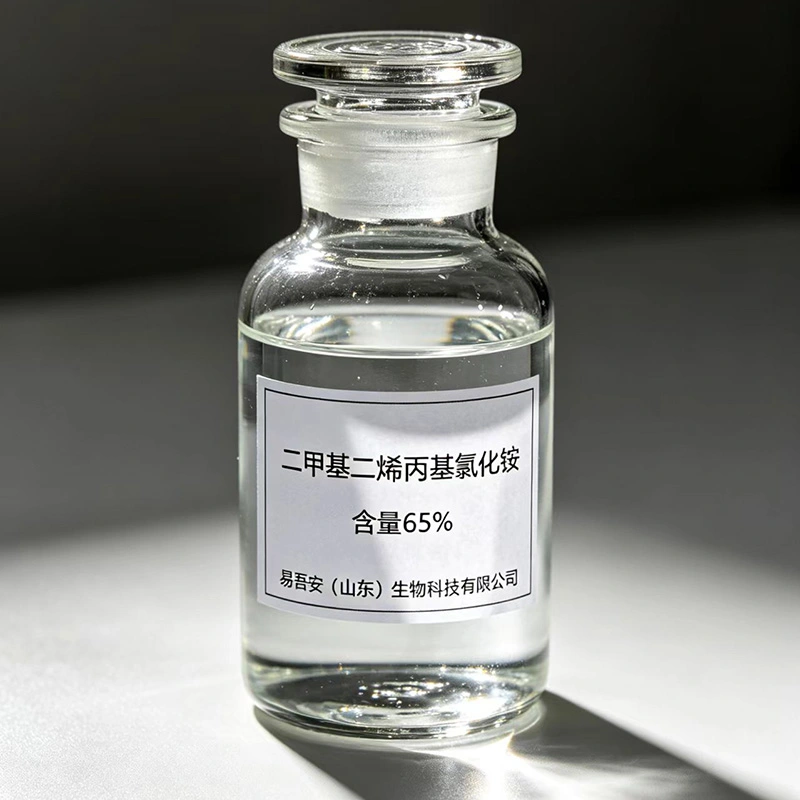
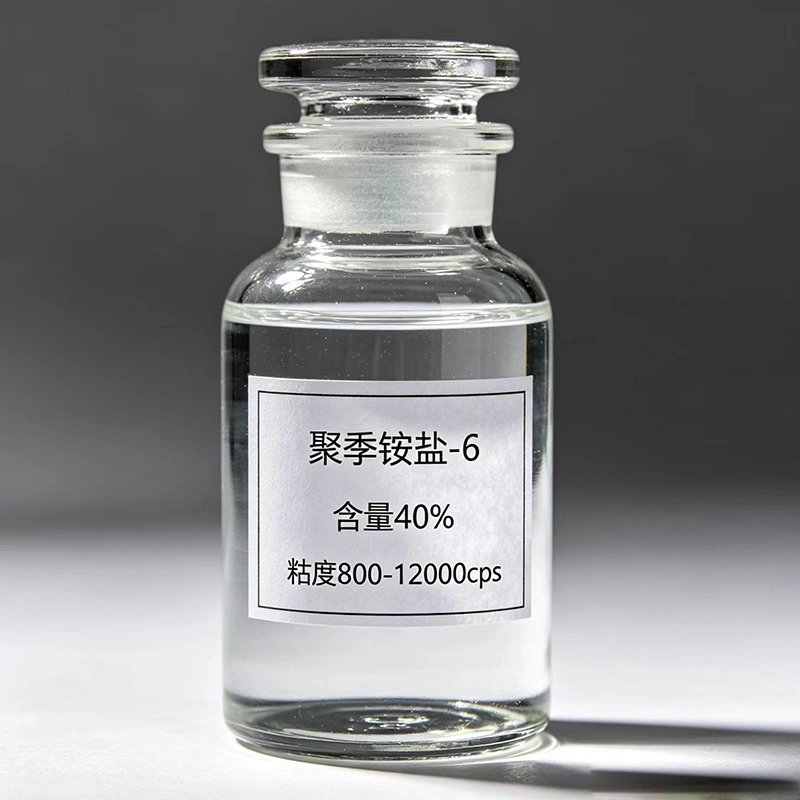
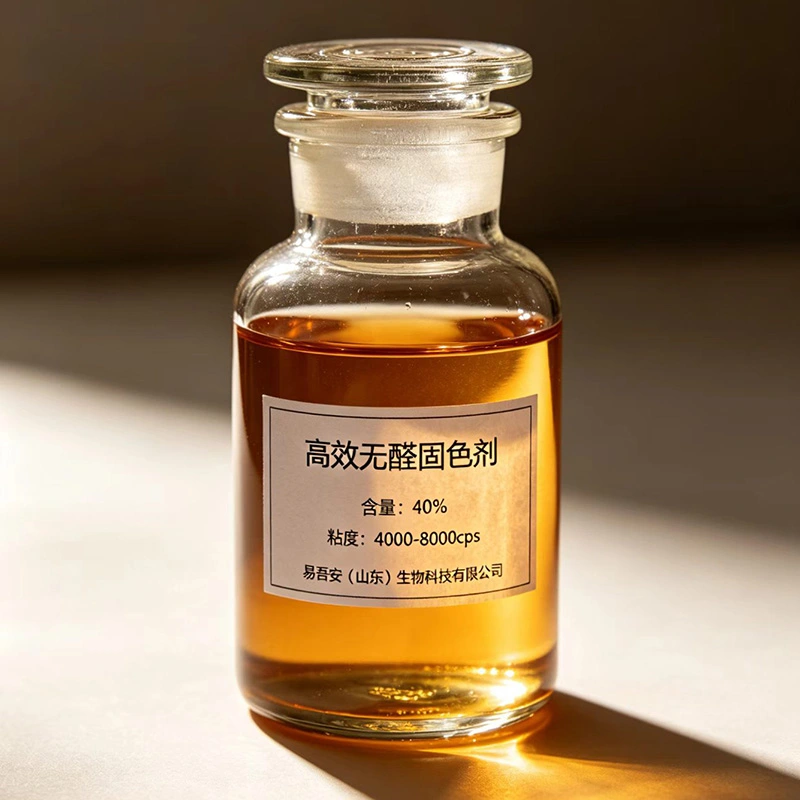
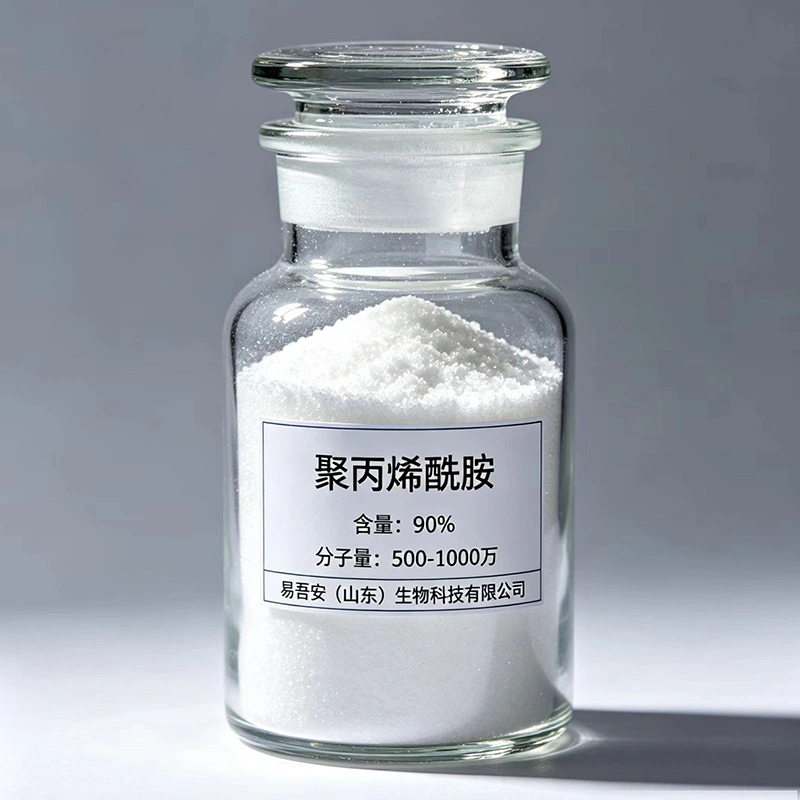
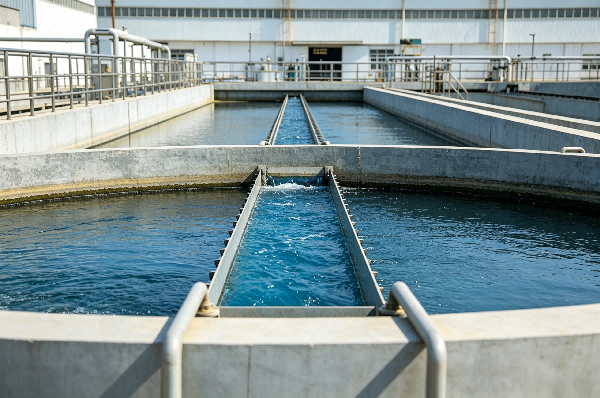
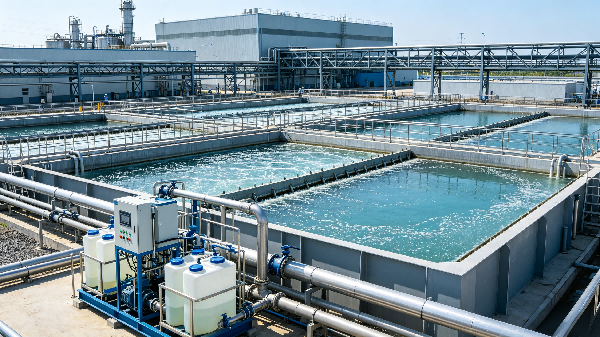
An increasingly important application lies in water treatment chemistry. Epichlorohydrin produced from allyl chloride is further processed into DADMAC (diallyldimethylammonium chloride), polyquaternium cationic monomers, and high-molecular-weight flocculants. These cationic polymers are widely deployed in municipal sewage treatment, industrial wastewater conditioning, and color-fixing processes in paper manufacturing.
With global environmental regulations tightening and water-recycling infrastructure expanding, the water-treatment segment has become one of the most resilient demand drivers for allyl chloride derivatives.
Agrochemicals and Pharmaceutical Intermediates
Allyl chloride's role extends well beyond bulk chemicals. In the agrochemical sector, it is a fundamental intermediate for multiple insecticides and herbicides, supporting the synthesis of N,N-dimethylallylamine, pyrethroid pesticide intermediates, soil fumigant raw materials, and agrochemical emulsifiers and dispersants. As global food security concerns drive investment in crop protection, demand for reliable allyl chloride supply remains steady.
In pharmaceutical fine chemicals, allyl chloride functions as a functional-group-introducing reagent for intermediates used in antibiotics, vitamins, and cardiovascular-related active pharmaceutical ingredients (APIs). Rather than being used directly as a finished drug, it modifies molecular frameworks during precursor synthesis — a role that demands consistent purity and quality control.
Polymers, Rubber, and Specialty Chemicals
The polymer and composite industries rely on allyl chloride as a base feedstock for allyl-series silane coupling agents. These agents enhance interfacial bonding between fillers and base materials, and are extensively used in plastic modification, rubber compounding, and composite fabrication. Allyl chloride also serves as a cross-linking and modifying additive for rubber and polyolefin products, improving oil resistance, thermal stability, and anti-aging performance.
Additionally, allyl chloride derivatives penetrate a range of niche fine-chemical markets, including specialty surfactants for industrial cleaning, oilfield drilling auxiliaries, flame-retardant intermediates, paper-reinforcing additives, textile processing aids, perfume synthesis intermediates, and lubricant modifiers.
Outlook
As a junction intermediate linking the chlor-alkali and propylene industrial chains, allyl chloride underpins mass production of epichlorohydrin-related product series while simultaneously serving diversified markets across agrochemicals, pharmaceuticals, and polymer additives. High-purity grades are particularly sought after for silane coupling agent manufacturing and high-end fine-chemical synthesis, where consistency directly impacts downstream product quality.
We use cookies to offer you a better browsing experience, analyze site traffic and personalize content. By using this site, you agree to our use of cookies. Privacy Policy