Article Summary: A well-designed wet-end chemical program can help paper mills improve fiber and filler retention, optimize drainage, reduce material losses, and maintain consistent sheet quality. A Cationic Paper Making Retention Additive works through electrostatic interactions and polymer-assisted particle retention, helping mills manage fine fibers and mineral fillers during paper formation. Ewooan supplies this specialized papermaking chemical for manufacturers seeking more stable production processes and improved resource utilization. This guide explains its working principles, key benefits, application considerations, and selection criteria for industrial paper production.
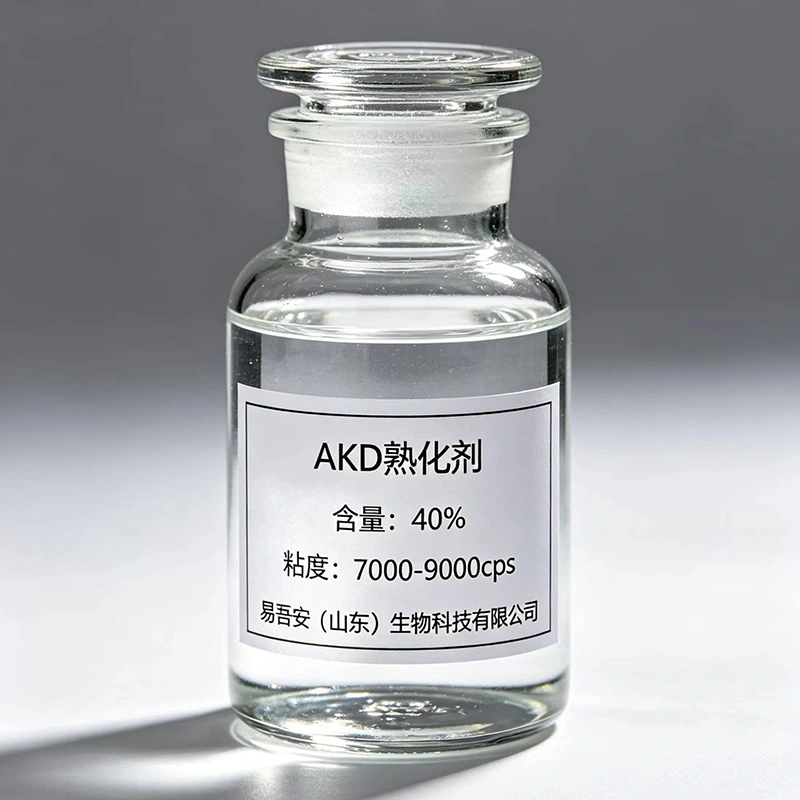
A Cationic Paper Making Retention Additive is a functional polymeric chemical used in the wet end of a paper machine to improve the retention of fine fibers, fillers, and other suspended components within the forming paper sheet. Its cationic character means that the polymer carries positively charged groups, which can interact with negatively charged fibers and particles commonly present in aqueous pulp suspensions.
During papermaking, not all fibers and fillers are immediately captured by the forming web. Small particles can pass through the forming fabric and enter the white-water system, resulting in material losses, higher recirculation loads, and fluctuations in process conditions. An appropriately selected retention additive helps improve particle capture while supporting the balance between retention, drainage, and sheet formation.
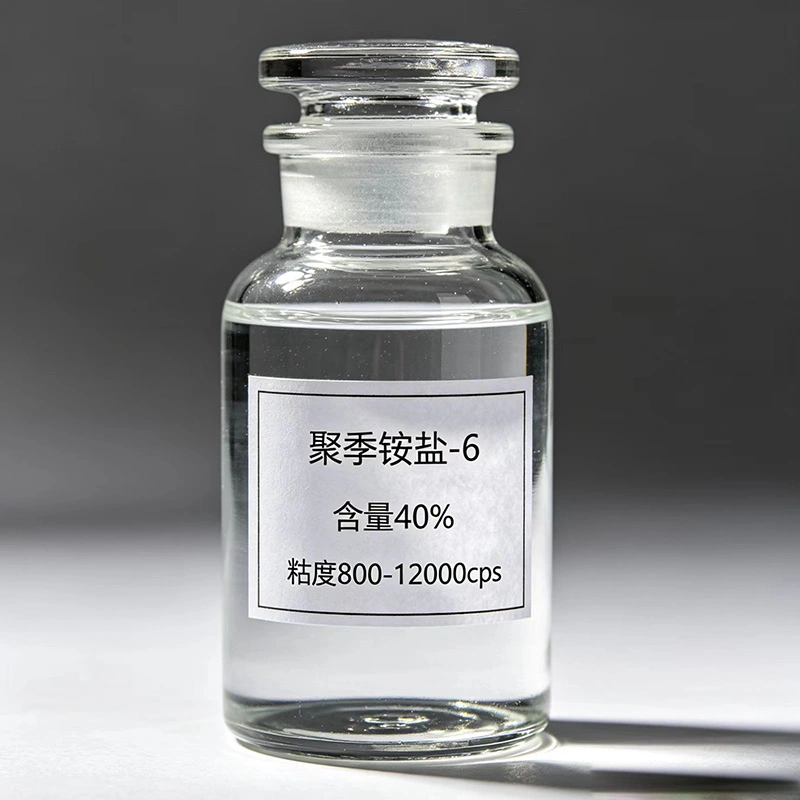
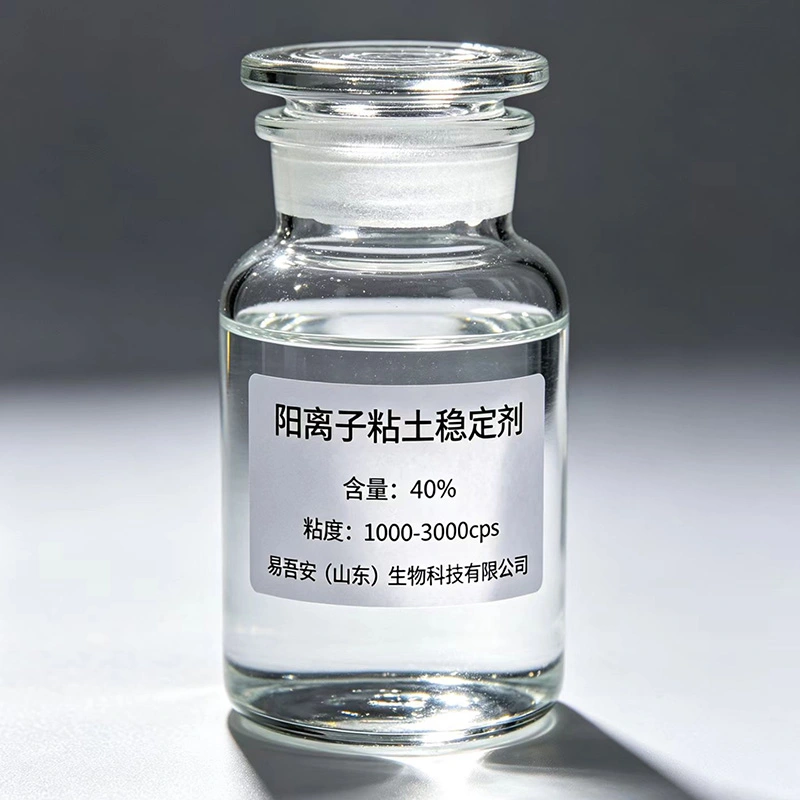
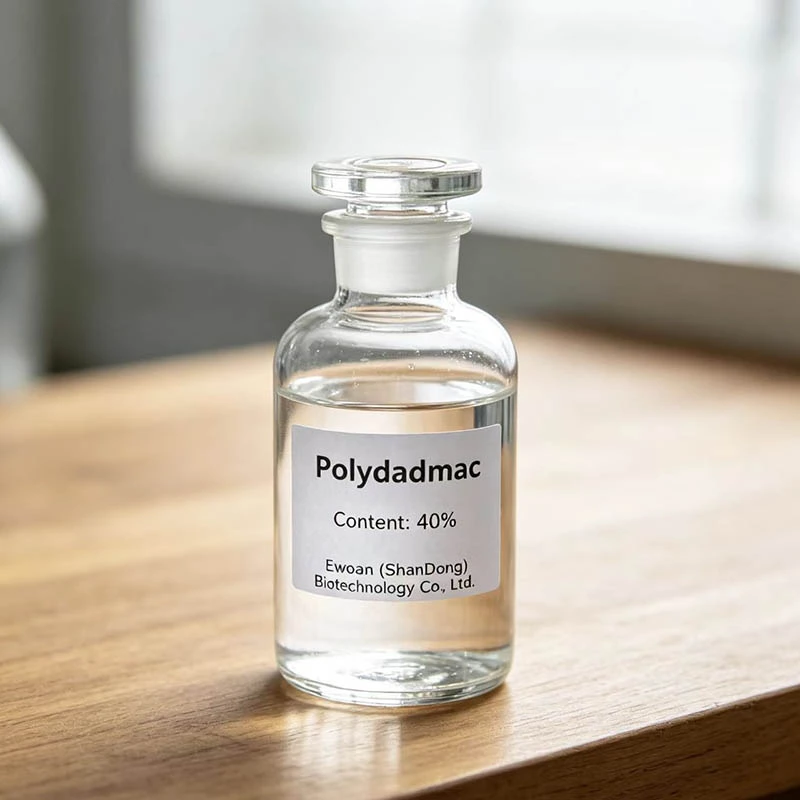
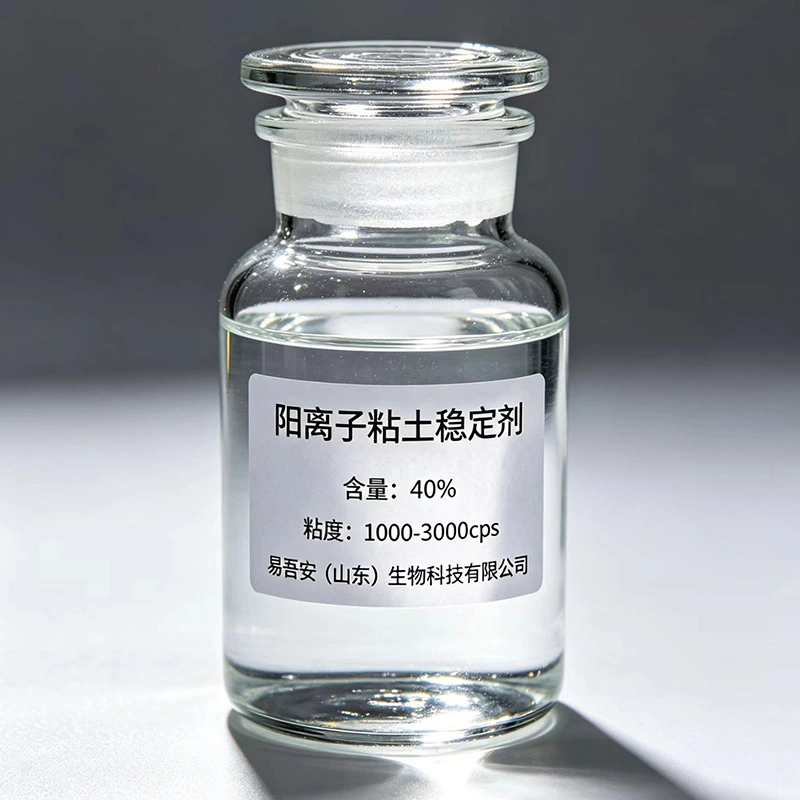
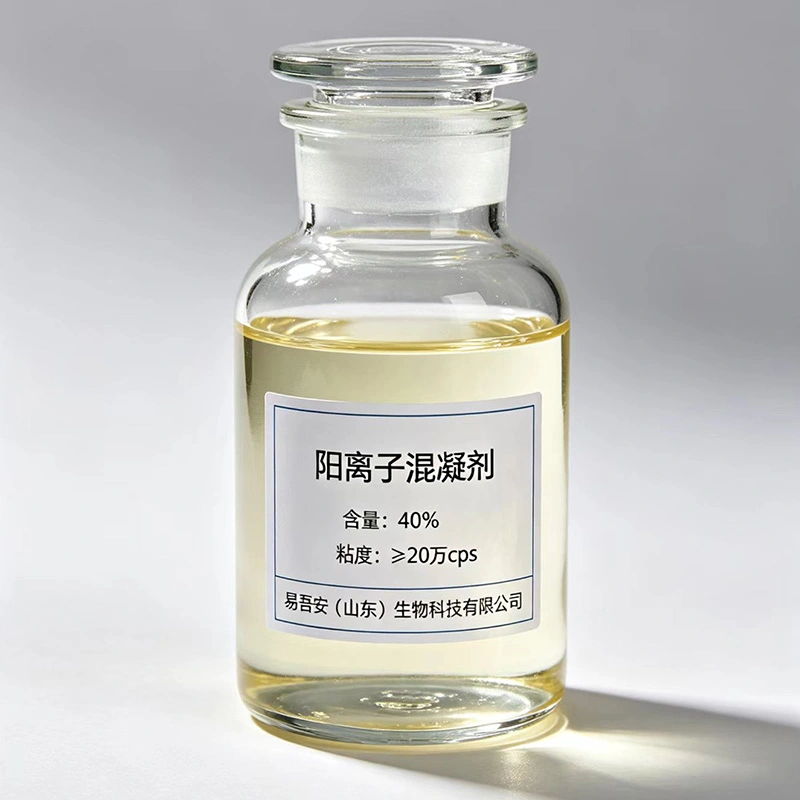
Ewooan offers a Cationic Paper Making Retention Additive described as a water-soluble, high-molecular-weight quaternary ammonium cationic polymer. The product is characterized as a colorless to pale-yellow viscous liquid, with properties including water solubility, cohesive capability, and hydrolytic stability.
For paper manufacturers, the objective is not simply to maximize retention. The real goal is to achieve suitable retention performance without compromising formation uniformity, drainage behavior, or finished-paper quality.
The performance of a cationic retention additive depends on the interaction between polymer chemistry, pulp composition, particle charge, and paper machine operating conditions. Three mechanisms are particularly important in understanding its role.
Cellulose fibers, fines, and many mineral filler particles can carry negative surface charges in water. Positively charged polymer groups interact with these surfaces, helping the additive adsorb onto suspended materials and influence their behavior in the pulp suspension.
These interactions can reduce electrostatic repulsion between selected particles and support their incorporation into the developing fiber network. The actual effect depends on the charge demand of the furnish and the characteristics of the other wet-end chemicals.
Depending on its molecular weight, charge density, and polymer configuration, a retention additive may connect multiple particles or help them associate with fibers. These interactions can form structures that are more readily captured by the forming sheet.
Effective polymer bridging can improve first-pass retention, but excessive flocculation may create uneven particle distribution. For this reason, the correct chemical balance is essential to maintaining both retention and formation quality.
When retention is managed effectively, fewer fine particles may escape into white water. This can help stabilize the circulating water system and reduce fluctuations in suspended solids. Depending on the overall process design, improved retention may also support more consistent chemical utilization and machine operation.
Retention additives are therefore best evaluated as part of an integrated wet-end program rather than as isolated chemicals.
A suitable Cationic Paper Making Retention Additive can contribute to several production objectives. Results depend on the furnish, chemical program, equipment configuration, and operating conditions.
These benefits should be verified through mill trials. Higher retention alone does not guarantee better paper quality, because excessive flocculation can affect formation, surface uniformity, and other important product characteristics.
Cationic retention additives may be considered for a range of paper grades and wet-end formulations. Their suitability depends on the pulp furnish, filler system, target paper properties, and production requirements.
Fine fibers and fillers influence opacity, smoothness, printability, and basis-weight consistency. A properly balanced retention program can help manufacturers manage these materials while maintaining acceptable sheet formation.
Packaging grades often require an effective balance of strength, filler utilization, drainage, and production efficiency. Retention additives can support material capture and help control the solids entering the white-water system.
Recycled furnishes can contain fines, residual fillers, dissolved substances, and contaminants that vary with the recovered paper source. A cationic polymer may help improve retention, but the dosage and chemical program should be adjusted to the actual furnish rather than assumed to work identically across all recycled-pulp systems.
Mineral fillers are used to adjust paper properties and manage material costs. However, filler particles can be lost during sheet formation if retention is insufficient. A suitable additive may help capture these particles while preserving the required formation and strength characteristics.
Before selecting a product for a specific grade, manufacturers should confirm compatibility with the existing wet-end chemistry and evaluate performance under representative production conditions.
Different retention technologies offer different advantages. The following table provides a general comparison of common approaches rather than a claim that one chemistry is universally superior.
| Technology | Primary Function | Key Consideration | Typical Evaluation Focus |
|---|---|---|---|
| Cationic retention polymer | Promotes particle adsorption and retention through cationic interactions | Charge demand, molecular weight, and furnish compatibility | First-pass retention and formation |
| Anionic polymeric retention aid | Can support particle bridging in appropriately designed chemical systems | Often depends on a compatible cationic component or other system conditions | Retention, floc structure, and drainage |
| Microparticle retention system | Combines polymer treatment with microparticles to control floc structure | Requires coordinated chemical selection and addition sequence | Retention, drainage, and sheet formation |
| Starch-based retention program | Can contribute to particle retention and other wet-end or paper-strength objectives | Performance depends on starch type and the complete formulation | Retention, strength, and operating stability |
For a broader technical overview of wet-end chemistry, consult the North Carolina State University papermaking additives resource. Comparing technologies under consistent trial conditions is more reliable than selecting an additive based only on its chemical category.
Choosing a Cationic Paper Making Retention Additive requires a practical understanding of both the raw materials and the paper machine. Buyers should assess the following factors before placing a bulk order.
Manufacturers should also confirm the product's recommended storage conditions, packaging options, handling instructions, and compatibility with their dosing equipment. These details help reduce avoidable problems during transportation, storage, and production.
Even a suitable polymer may deliver inconsistent results if preparation, dilution, or addition conditions are poorly controlled. Mills should establish a repeatable operating procedure based on supplier guidance and production trials.
Follow the supplier's instructions for dilution, mixing, and working-solution preparation. Use appropriate water quality and mixing conditions to achieve uniform distribution. Avoid assuming that every cationic polymer requires the same dilution ratio or preparation time.
The chemical addition point affects contact time, shear exposure, and interactions with other wet-end components. Evaluate the available dosing locations in relation to the stock flow and the existing retention system. Changes should be introduced systematically to identify their impact on performance.
There is no universally correct dosage for every paper grade or machine. The optimal addition rate depends on product characteristics, pulp consistency, filler content, charge demand, and the desired retention-formation balance.
Begin with controlled laboratory or pilot testing, then confirm promising conditions through a monitored machine trial. Record dosage, stock conditions, white-water solids, drainage behavior, and sheet properties so that results can be compared objectively.
Cationic polymers may interact strongly with anionic chemicals. Incompatible combinations, unsuitable addition sequences, or excessive local concentrations can cause unwanted flocculation or deposits. Review the full chemical program before introducing a new additive.
Reliable retention performance depends on consistent product quality as well as proper process management. Paper mills should establish measurable acceptance criteria before evaluating a new supplier or formulation.
Important checks may include:
It is also important to document changes in furnish composition, machine speed, and other process variables during trials. This helps distinguish the effects of the additive from unrelated operating changes.
For industrial buyers, a supplier's ability to provide clear product specifications, consistent batches, and practical technical support is an important part of long-term procurement planning.
Its main purpose is to improve the retention of fine fibers, fillers, and other suspended materials during paper formation. Depending on the formulation and operating conditions, it may also support drainage and wet-end process stability.
It may be suitable for recycled-pulp systems, but performance depends on furnish composition, charge demand, contaminants, and the existing chemical program. Laboratory testing and controlled machine trials are recommended before full-scale adoption.
Improved retention and suitable drainage can contribute to more stable production and better material utilization. However, actual efficiency gains depend on machine limitations, sheet quality requirements, and the overall wet-end system.
Determine dosage through supplier recommendations, laboratory testing, and controlled production trials. Evaluate retention, drainage, formation, and finished-paper quality together instead of optimizing a single indicator.
Review the product's chemical characteristics, technical data sheet, certificate of analysis, compatibility with the existing process, storage requirements, and supplier support. Confirm that the product meets the mill's operational and quality requirements before bulk purchasing.
Ewooan supplies papermaking chemical additives and describes its Cationic Paper Making Retention Additive as a water-soluble, high-molecular-weight cationic polymer. Buyers can consult the official product page for product information and contact the company to discuss application suitability, specifications, and procurement requirements.
A Cationic Paper Making Retention Additive can play an important role in improving fine-fiber and filler retention, supporting drainage management, and promoting more consistent wet-end operation. However, successful application depends on selecting the right polymer, understanding the furnish, maintaining chemical compatibility, and measuring performance against clear production targets. By combining product evaluation with controlled trials and ongoing quality monitoring, paper mills can make better-informed decisions about chemical consumption, sheet quality, and operating efficiency.
Ewooan provides papermaking chemical solutions for manufacturers seeking dependable product information and application-oriented support. If you are evaluating a new retention additive, optimizing an existing wet-end program, or sourcing chemicals for long-term production, explore Ewooan's Cationic Paper Making Retention Additive and visit the official website to learn more. Share your paper grade, pulp furnish, operating conditions, and performance objectives with the technical team, and contact us to discuss product specifications, sample evaluation, and a suitable retention solution for your papermaking process.