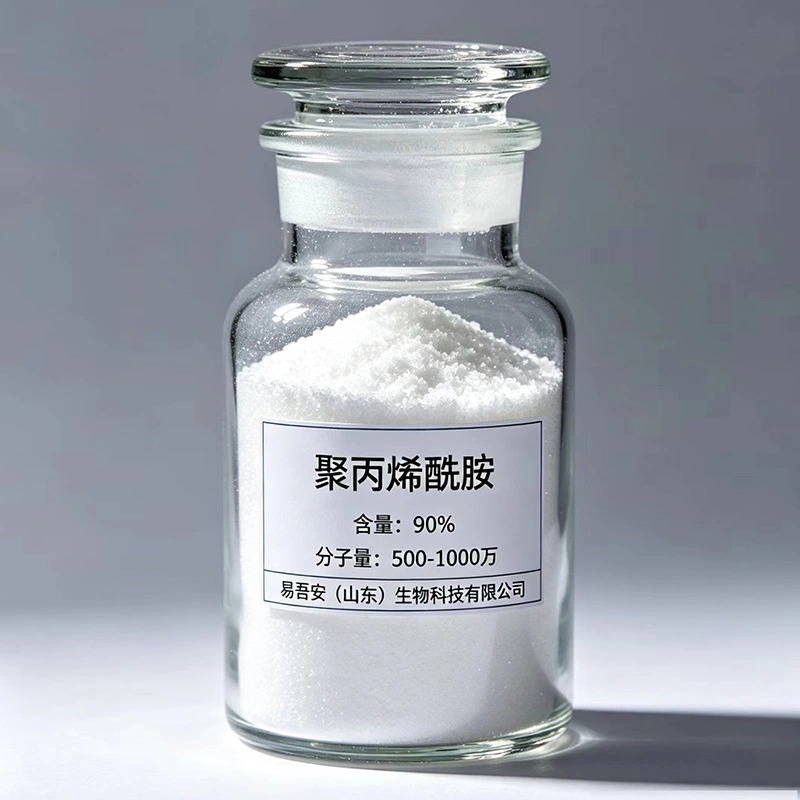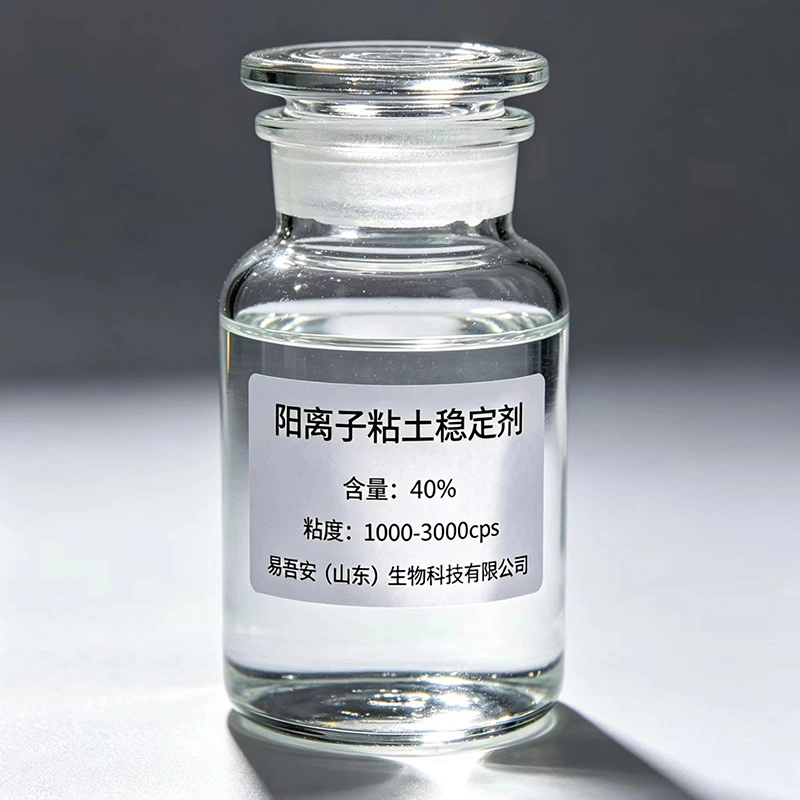
We offer a comprehensive portfolio including DMDAAC, PDMDAAC (liquid and exclusive bead/powder forms), and Polyacrylamide (PAM) series, with an annual production capacity of over 50,000 tons to meet diverse industrial needs.
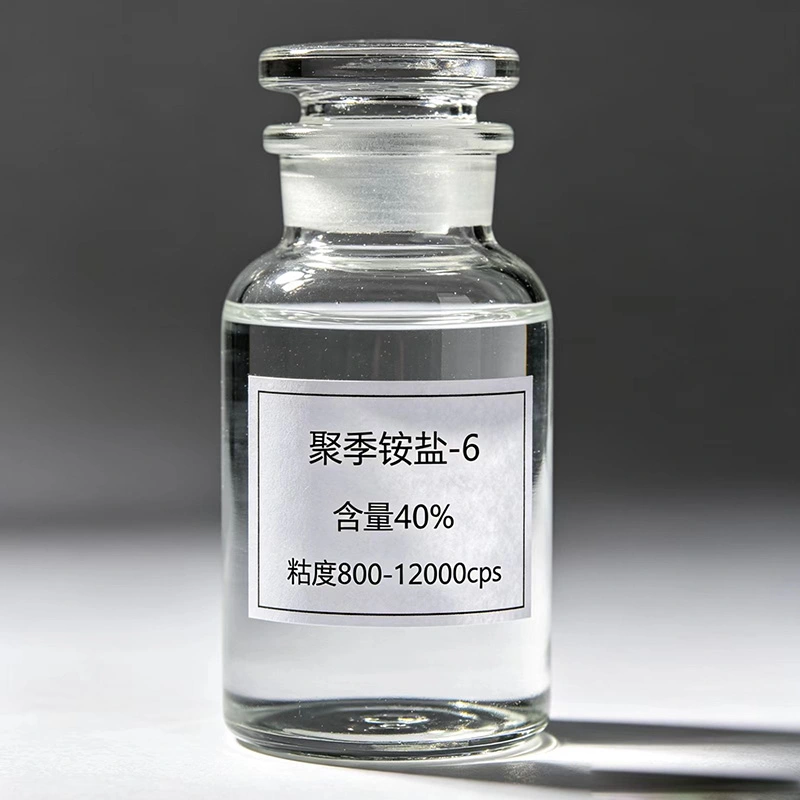
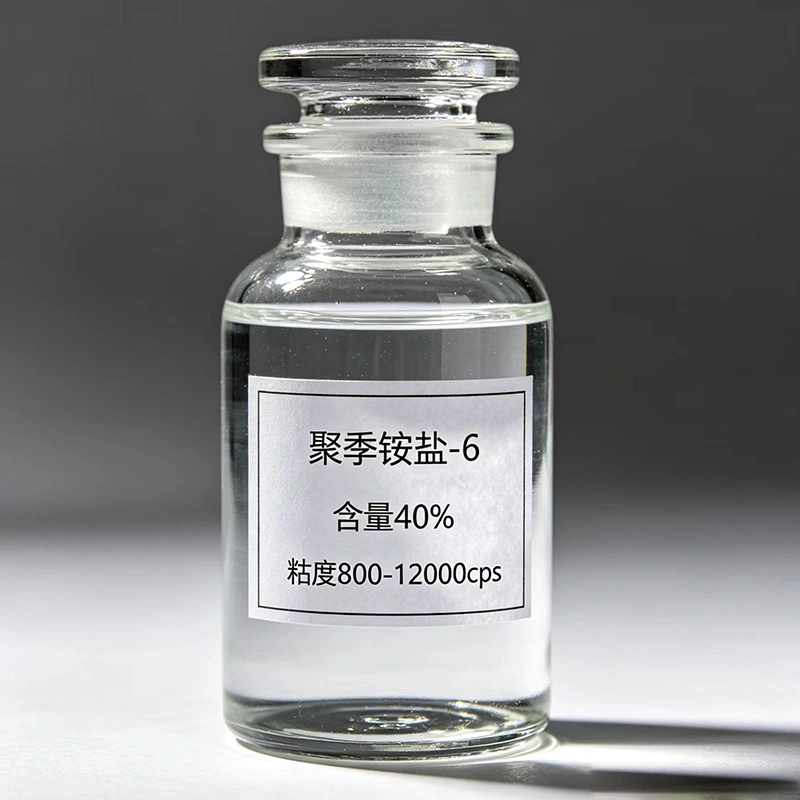
Polyquaternium-6 (PQ-6; CAS: 26062-79-3)—also known as polydiallyldimethylammonium chloride or DADMAC homopolymer—is a water-soluble cationic quaternary ammonium homopolymer developed specifically for premium hair and personal care formulations.
Polyquaternium 6 Cosmetic Conditioning Polymer appears as a colorless to pale yellow, transparent, viscous liquid. It boasts excellent properties, including safety (non-toxic), non-flammability, superior water solubility, and chemical stability across the entire pH range. Thanks to its high-density cationic structure, it strongly adsorbs onto hair keratin and the skin's surface, forming a uniform, breathable protective film. This provides multiple benefits simultaneously: smooth wet and dry combing, anti-static and anti-frizz effects, style retention and curl care, as well as skin moisturization.
Unlike standard copolymer conditioning agents, Polyquaternium-6 is compatible with extreme formulation systems—such as those involving perming, bleaching, or dyeing—that feature high pH levels or strong oxidizing agents. Highly effective at low concentrations, it is suitable for a wide range of hair and skin care products, serving as a key functional ingredient for upgrading formulations while reducing costs and enhancing quality.
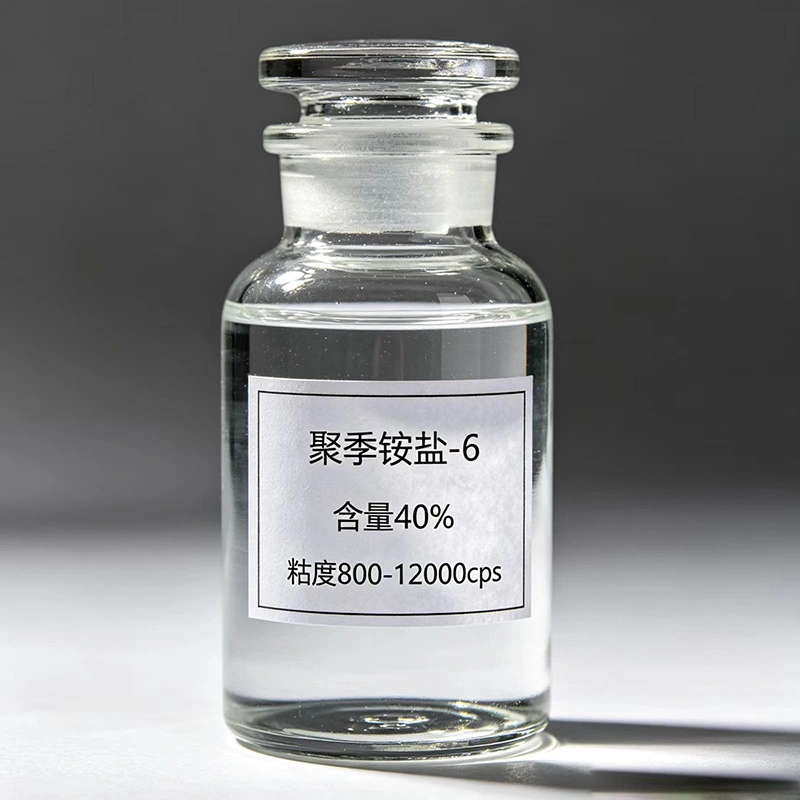
| Item / Code | PQ-6 |
| Appearance | Colorless to light yellow viscose liquid |
| Color(APHA) | ≤125 |
| Solid content, % | 39-42 |
| PH | 5.0-7.0 |
| Viscosity(3#@6rpm 25℃), cps | 8000-12000 |
1.1 Chemical Properties
PQ-6 is a linear, strongly cationic homopolymer synthesized from diallyldimethylammonium chloride monomers. It contains no acrylamide copolymer components, ensuring a pure molecular structure and uniform charge distribution without the risk of irritation from residual monomers; it is a conditioning polymer ingredient compliant with cosmetic standards. The product is highly compatible with daily chemical applications, gentle and non-irritating to the skin, and fully meets safety standards for personal care ingredients, allowing for direct incorporation into various finished hair and body care formulations.
1.2 Key Physicochemical Advantages
Polyquaternium-6 (Cosmetic Conditioning Polymer) boasts excellent water solubility, allowing for rapid dissolution in purified water without the need for co-solvents or heating. Its liquid form ensures easy dispersion and convenient formulation, making it highly compatible with automated personal care production lines. It exhibits exceptional chemical stability, remaining unaffected by standard acidic, alkaline, or oxidizing systems and maintaining stability over a wide pH range; formulations remain stable during storage without separation, loss of efficacy, or degradation. Furthermore, it is safe, non-toxic, and non-flammable, ensuring safety and control throughout storage, transport, and production.
1.3 High Charge Density Structural Characteristics
As a strong cationic homopolymer, this product possesses a charge density far exceeding that of conventional copolymer-type polyquaterniums. Its high proportion of cationic groups results in strong adsorption activity. Leveraging this structural advantage, excellent conditioning effects can be achieved at low dosage levels, effectively reducing overall raw material costs and facilitating the mass production of personal care products.
1.4 Formulation Compatibility
Unlike many personal care conditioning agents that lack resistance to strong alkalis or oxidation, Polyquaternium 6 Cosmetic Conditioning Polymer remains stable in high-pH perming and straightening formulas, as well as in strongly oxidizing bleaching and dyeing formulations. It retains its efficacy and prevents flocculation or system instability even in extreme formulations, making it an ideal specialized ingredient for high-performance hair and skin care products.
2.1 Electrostatic Targeted Adsorption Mechanism
Human hair keratin and the skin's surface naturally carry a negative charge. During cleansing and care processes, charge imbalances can lead to issues such as static electricity, frizz, dryness, and tightness. This product's molecules carry a high density of cationic groups; through electrostatic attraction, they target and adsorb onto the surfaces of hair and skin, rapidly neutralizing negative charges. This eliminates the root causes of static electricity and resolves problems like frizz, flyaways, and skin dryness.
2.2 Uniform, Breathable Film-Forming Mechanism
Following adsorption, the polymer chains form a lightweight, uniform, non-sticky, and breathable protective film over the hair and skin surfaces. The film does not clog pores or create a heavy, sticky feel; it provides long-lasting moisture retention and surface lubrication while setting the hair's style, delivering multiple benefits such as smoothing, brightening, and curl maintenance.
2.3 Dual-action smoothing mechanism (wet and dry states)
On wet hair, the film significantly enhances lubricity and reduces friction during combing, preventing tugging, tangling, and breakage. On dry hair, it maintains charge balance and film integrity, reducing static flyaways and leaving hair soft, voluminous, and glossy for an extended period, thereby elevating the sensory experience of the entire wash-and-care process.
2.4 Synergistic mechanism with functional additives
Once the film forms, it effectively improves the adhesion of functional ingredients—such as those for coloring or conditioning—to the hair surface. This minimizes the loss of active ingredients, prolongs the duration of color, nourishment, and repair effects, strengthens the product's core performance, and enhances the end-user experience and product competitiveness.
3.1 Optimizing skin feel and alleviating dryness/tightness
Skincare formulations containing this product exhibit significantly improved spreadability; they glide smoothly onto the skin without pilling or feeling sticky. Upon application, a moisturizing protective film forms on the skin surface to lock in moisture, effectively addressing dryness, tightness, roughness, and flaking after cleansing or bathing, while imparting a velvety, soft, and supple feel.
3.2 Upgrading foam quality in cleansing systems
When used in cleansing formulations such as body washes, liquid soaps, and facial cleansers, it optimizes foam structure, resulting in a denser, richer, and more stable foam that lasts longer. It also mitigates the irritation caused by surfactants in the cleansing system, balancing cleansing power with gentleness to enhance comfort during use.
3.3 Enhancing moisture retention and locking capabilities
Compared to standard moisturizing additives, Polyquaternium-6 Cosmetic Conditioning Polymer offers the dual benefits of moisturization and protective film formation; it locks in moisture for long-lasting hydration and reduces transepidermal water loss. Suitable for use in moisturizing lotions, creams, shaving products, and antiperspirants/deodorants; it enhances the longevity of moisturization in formulations, preventing issues such as short-lived hydration or rapid drying.
3.4 Stabilizes the formulation system and extends product shelf life
Polyquaternium 6 Cosmetic Conditioning Polymer exhibits excellent chemical stability and compatibility with various skincare formulation systems. It optimizes overall system stability, reduces issues such as ingredient separation, sedimentation, and loss of activity, and stabilizes the physicochemical properties of the finished product. This effectively extends the shelf life of skincare products, making them suitable for long-term storage and distribution.
4.1 Key differences from PQ-7 (copolymeric quaternary ammonium salt)
PQ-7 is a copolymer of DADMAC and acrylamide; it has a relatively low charge density and provides mild conditioning, making it suitable only for standard, neutral-pH cleansing and care formulations. In contrast, PQ-6 is a pure homopolymer with higher charge density, stronger adsorption, and superior conditioning effects. It is resistant to high pH and strong oxidizing agents, allowing it to withstand extreme processing conditions such as perming, dyeing, and bleaching; thus, it offers a wider range of applications and better cost-performance.
4.2 Differences from PQ-10 (cellulose-based conditioning agents)
PQ-10 is a cationically modified cellulose that focuses on deep hair repair and reducing resistance during dry combing; however, it has poor resistance to acids, alkalis, and oxidation, making it unsuitable for dyeing or perming formulations. PQ-6 provides smooth wet and dry combing, anti-static properties, and curl retention/styling benefits. Furthermore, its stability in extreme formulations far surpasses that of cellulose-based conditioners, offering more comprehensive functionality.
4.3 Differences from PQ-22 (amphoteric conditioning agents)
PQ-22 is an amphoteric copolymer with a narrow pH compatibility range and weak charge stability, limiting its use mostly to mild, acidic cleansing and care products. PQ-6 is a strongly cationic homopolymer that remains stable across the entire pH range and possesses strong antioxidant capabilities. It is suitable not only for standard cleansing and care products but also for various functional perming and dyeing formulations, offering superior system compatibility and adaptability to processing conditions.
4.4 Summary of Key Selection Advantages
Copolymer-based conditioning agents are suitable for standard, gentle cleansing and basic conditioning needs. However, for high-end, performance-driven products—such as those requiring compatibility with extreme formulations (perming, dyeing, bleaching) or aiming for high conditioning efficacy at low dosage levels, long-lasting antistatic properties, and curl retention—PQ-6 is the optimal choice, offering a balance of functionality, stability, and cost-effectiveness.
5.1 Applications in Perming and Hair Straightening Products
Compatible with high-pH, strongly alkaline formulations such as straightening creams, perming lotions, and thermal straightening treatments. It remains effective in high-temperature, highly alkaline environments, repairing hair cuticles damaged during perming, reducing dryness and frizz, and maintaining smoothness. It also aids in curl retention and extends the longevity of the style.
5.2 Applications in Hair Coloring and Bleaching Products
Compatible with strongly oxidizing formulations like hair dyes and bleaches. It does not react with oxidizing or coloring agents; instead, it minimizes hair damage during the process, enhances pigment adhesion, and reduces color fading. Additionally, it addresses post-treatment issues such as dryness, tangling, and flyaways, improving the overall condition of the hair.
5.3 Applications in Standard Cleansing and Conditioning Products
Suitable for inclusion in shampoos, conditioners, hair masks, and leave-in smoothing products. A standard dosage of 1.0% significantly improves wet and dry combability, eliminates static flyaways, boosts shine, and enhances hair volume. It leaves no heavy residue or greasy feel at the roots and is compatible with a wide range of formulations, from lightweight/refreshing types to deeply nourishing ones.
5.4 Applications in Styling Products
Used in products such as curl-defining creams, styling lotions, and setting sprays. It forms a breathable film that secures curls and styles naturally without stiffness or white flaking. It also provides smoothing and moisturizing benefits, combining styling performance with hair care.
5.5 Applications in Body Care Products
Widely compatible with skin care products such as moisturizers, body lotions, body washes, handmade soaps, liquid soaps, shaving creams, antiperspirants, and deodorants. A standard dosage of 1.0% optimizes skin feel, enriches foam, provides long-lasting hydration, relieves dryness and tightness, and elevates the overall quality of the finished product.
Ewooan operates its own mature polymer production lines with a closed-loop quality control system for cosmetic-grade raw materials. This ensures high batch-to-batch stability and the absence of impurity residues, meeting the strict standards required for high-end personal care formulations. We support customized formulation matching, process optimization, and sample testing services. We provide specialized technical guidance for extreme formulations (such as perming and coloring products) and high-end skincare products, helping clients simplify formulas, reduce costs, and enhance product quality through a one-stop solution covering both raw material supply and formulation implementation.
Q1: What is the main difference between PQ-6 and standard polyquaternium conditioning agents?
Polyquaternium-6 (PQ-6) is a pure DADMAC homopolymer characterized by higher charge density and superior conditioning efficiency. Its core advantage is compatibility with high-pH (strongly alkaline) and strongly oxidizing formulations—conditions where standard conditioning agents often fail. It is suitable for extreme systems such as perms, hair dyes, and bleaches, while offering low dosage requirements, no residue, and superior cost-performance.
Q2: What are the standard dosage levels for different hair and body care products?
For basic products like standard shampoos, conditioners, body lotions, and facial cleansers, the recommended starting dosage is 1.0%. For functional products such as perms, hair dyes, and styling agents, the recommended starting dosage is 3.0%. These levels can be flexibly adjusted based on the specific formulation system and desired performance.
Q3: Will adding PQ-6 cause stickiness, white flaking, or clogged pores?
No. The protective film formed by this product is lightweight, breathable, non-sticky, and leaves no heavy residue. When used at recommended dosages, it does not cause flaking or clog pores; it leaves hair feeling fresh and voluminous and skin feeling smooth and breathable, making it perfectly suited for refreshing and high-end, premium personal care formulations.
Q4: Can it be formulated with anionic surfactants and various personal care additives?
Yes. Polyquaternium 6 Cosmetic Conditioning Polymer offers excellent formulation compatibility; it can be stably combined with conventional anionic, non-ionic, and amphoteric surfactants, as well as personal care additives such as humectants, conditioning agents, colorants, and fragrances. It causes no flocculation or precipitation and does not destabilize the system, making it suitable for the vast majority of personal care formulations.
Address
Wanhong Plaza, Jinan City, Shandong Province, China
Tel