Global demand for acrylamide-based functional polymers continues to rise, driven by growing needs in water treatment, sustainable manufacturing, and advanced industrial applications.
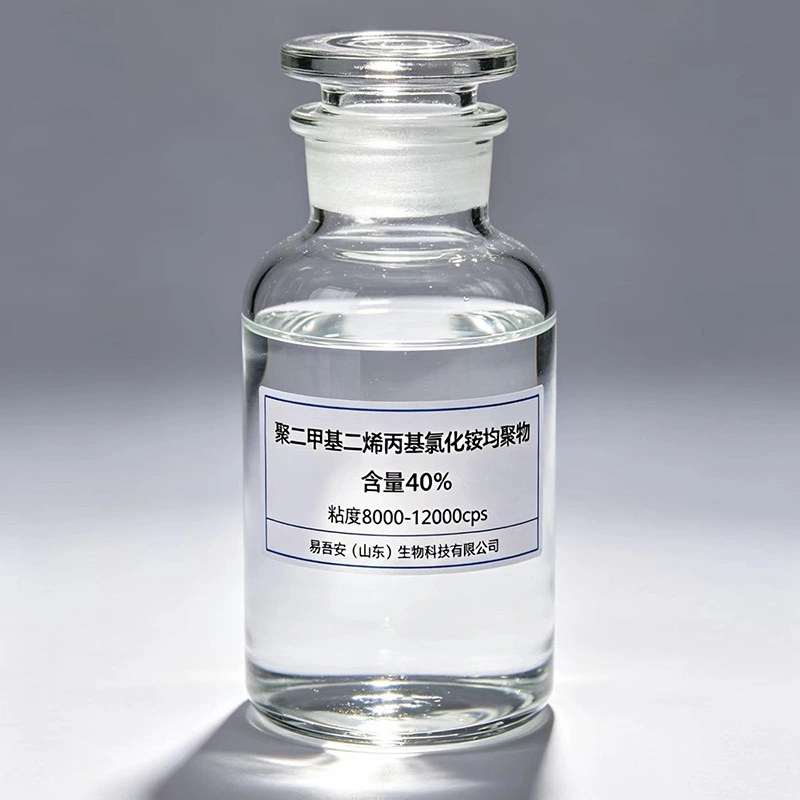
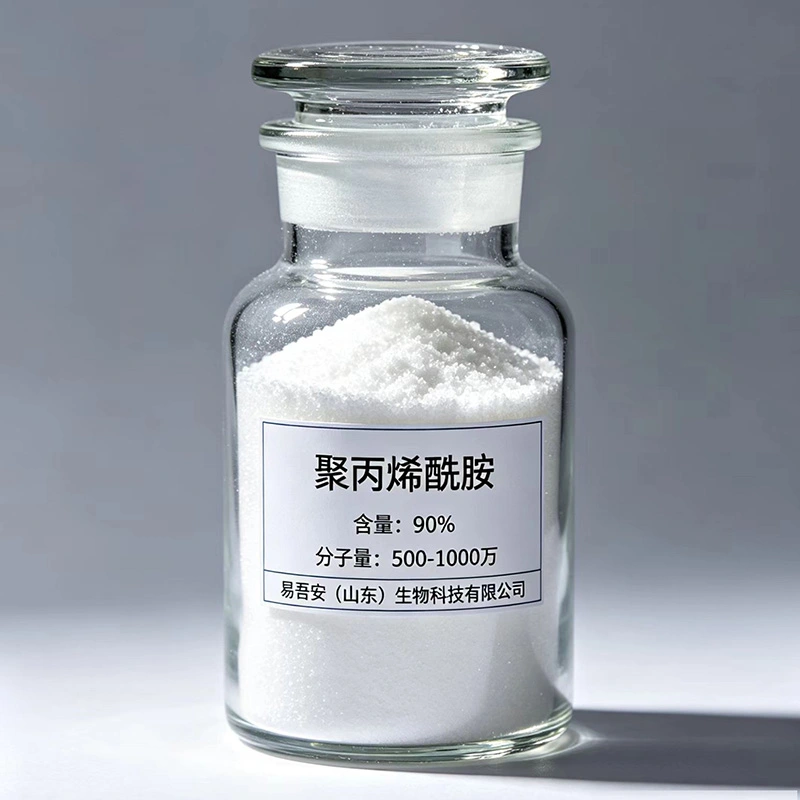
Acrylamide, a key monomer used in the production of water-soluble polymers, is playing an increasingly important role across multiple industrial sectors.
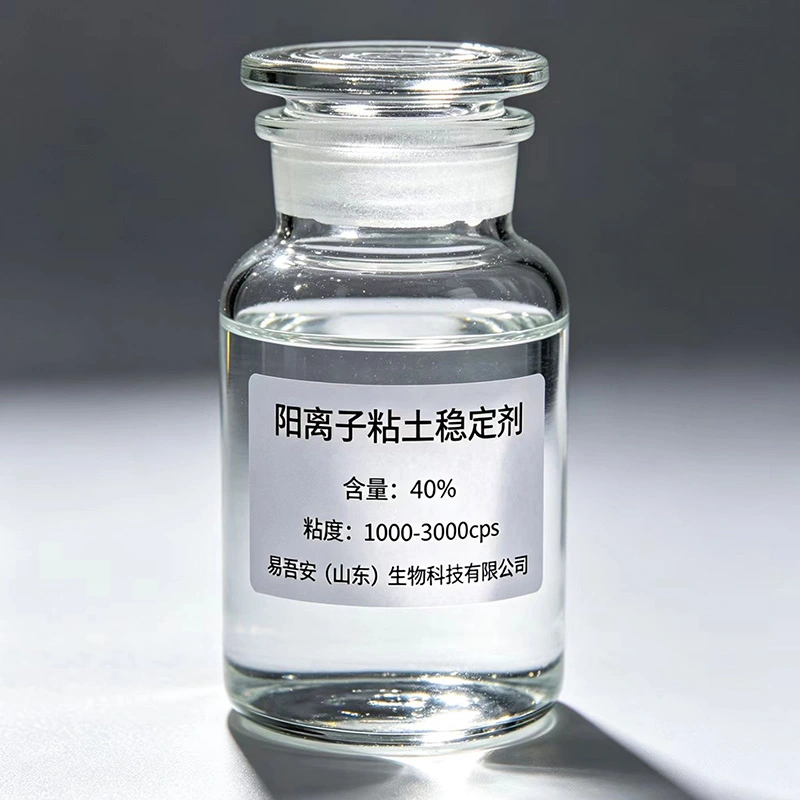
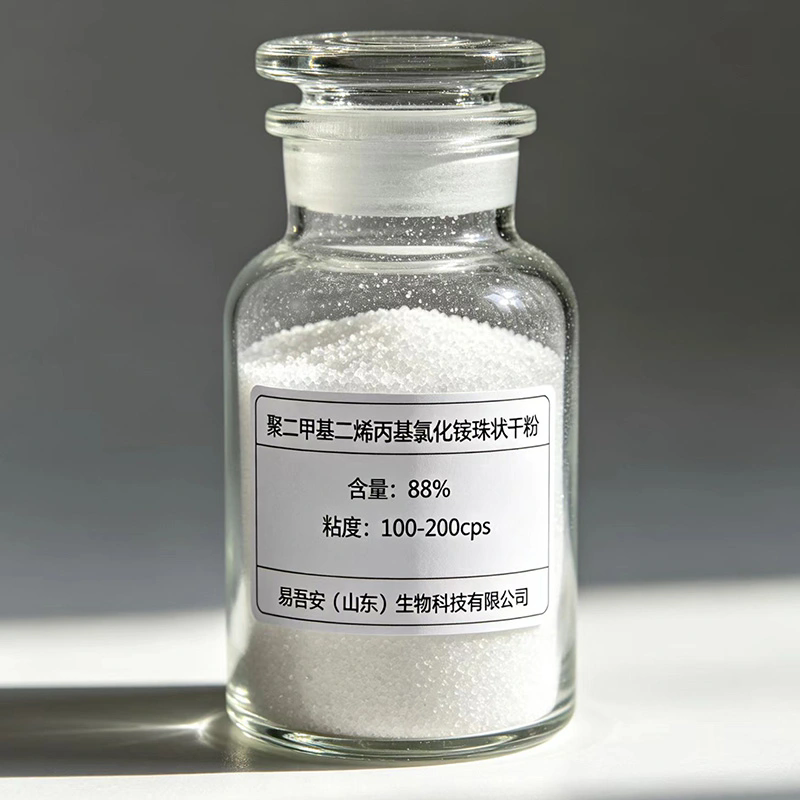
With its strong polymerization capability, excellent modification flexibility, and reliable performance, acrylamide serves as a critical raw material for manufacturing functional polymer additives used in water treatment, papermaking, oilfield operations, textiles, and specialty chemicals.
Water Treatment Drives Core Demand Growth
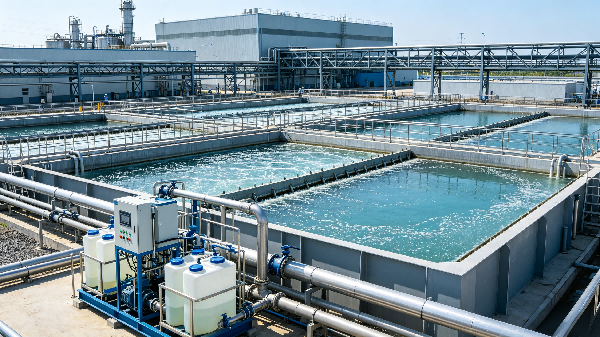
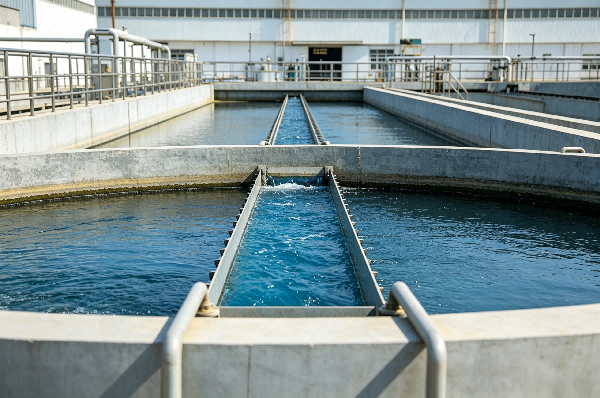
Water treatment remains the largest and most established application area for acrylamide-based polymers. These materials are widely used as flocculants and separation agents due to their excellent ability to remove suspended solids, colloidal particles, and impurities from water.
In municipal water treatment and wastewater management, acrylamide-derived polymers improve purification efficiency, optimize sludge dewatering processes, and support more effective water resource management.
In industrial sectors such as chemicals, textile processing, and electroplating, these materials help treat complex wastewater streams and enable recycling and reuse of industrial water, supporting global sustainability goals.
Supporting Innovation in Papermaking
The papermaking industry continues to represent a major market for acrylamide-based products. Functional additives derived from acrylamide improve fiber and filler retention, reduce raw material consumption, and enhance pulp drainage efficiency during production.
These additives also contribute to improved paper performance, including higher dry strength, wet strength, and tear resistance. As paper manufacturers worldwide focus on energy efficiency, environmental compliance, and premium product development, demand for high-quality acrylamide materials with low residual content continues to increase.
Advancing Oilfield Chemical Technologies
In the oil and gas industry, acrylamide-based polymers are essential components in various oilfield operations, including drilling fluids, cementing, enhanced oil recovery (EOR), and reservoir profile control.
Their strong temperature resistance, salt tolerance, and durability enable reliable performance under challenging geological conditions.These materials help improve drilling fluid stability, optimize reservoir management, enhance oil recovery efficiency, and support the production needs of mature oilfields.
Expanding Applications in Textiles and Specialty Chemicals
Beyond traditional markets, acrylamide derivatives are finding broader applications in textiles, consumer products, and specialty chemical manufacturing.
In textile processing, these materials function as leveling agents, thickeners, and antistatic additives, helping improve dye consistency, fabric quality, and production efficiency. They are also used in various light industrial applications as water-retention agents, film-forming materials, and viscosity modifiers.
Meanwhile, emerging applications in mining, environmental restoration, agriculture, and advanced materials are creating additional growth opportunities.Acrylamide-based polymers are being explored for mineral separation, soil improvement, water conservation, medical gels, coatings, and high-performance adhesives.
Industry Outlook: Moving Toward High-Purity and Sustainable Solutions
Industry analysts expect the acrylamide sector to continue evolving toward higher purity standards, greener production processes, and more specialized applications.
As industries worldwide accelerate digital transformation, environmental upgrades, and efficiency improvements, demand for reliable functional chemical materials is expected to remain strong.
Traditional markets such as water treatment and papermaking will continue providing stable growth, while emerging high-value applications are expected to create new opportunities.
With its expanding role across global industrial value chains, acrylamide is positioned to remain an important material supporting sustainable development and technological advancement across multiple sectors.
We use cookies to offer you a better browsing experience, analyze site traffic and personalize content. By using this site, you agree to our use of cookies. Privacy Policy