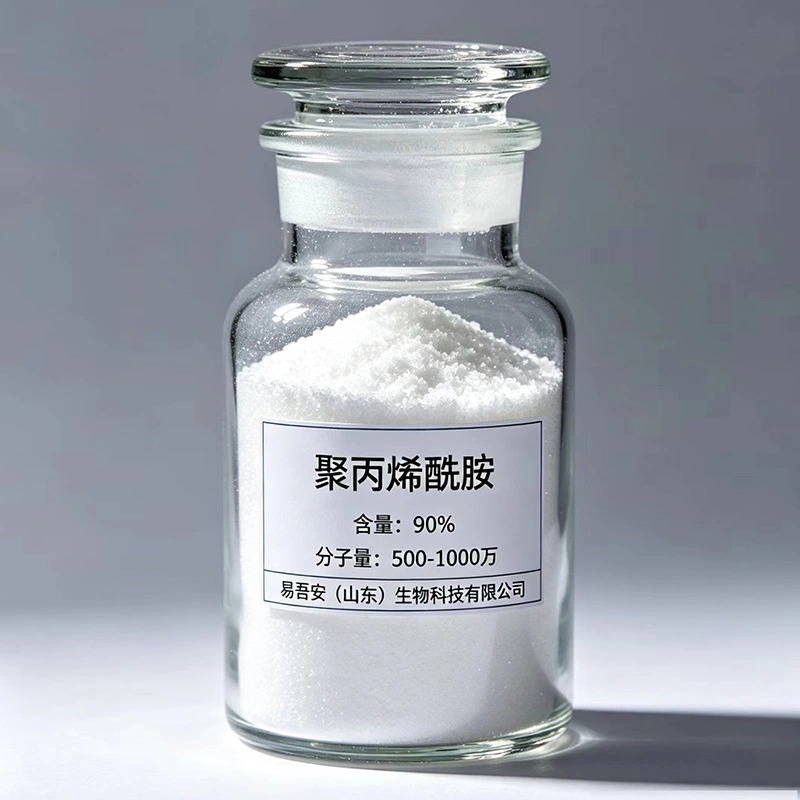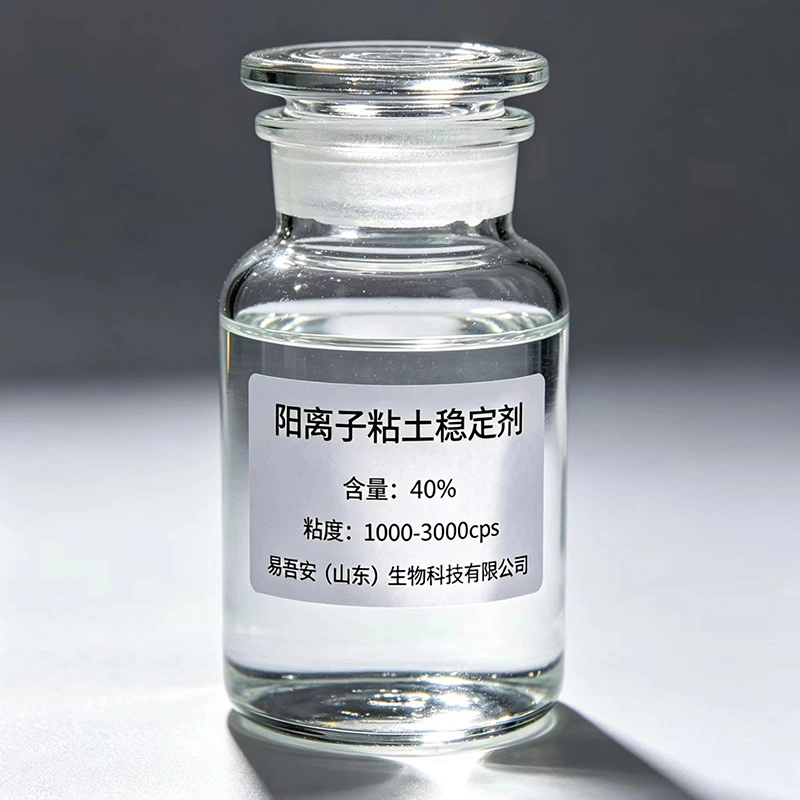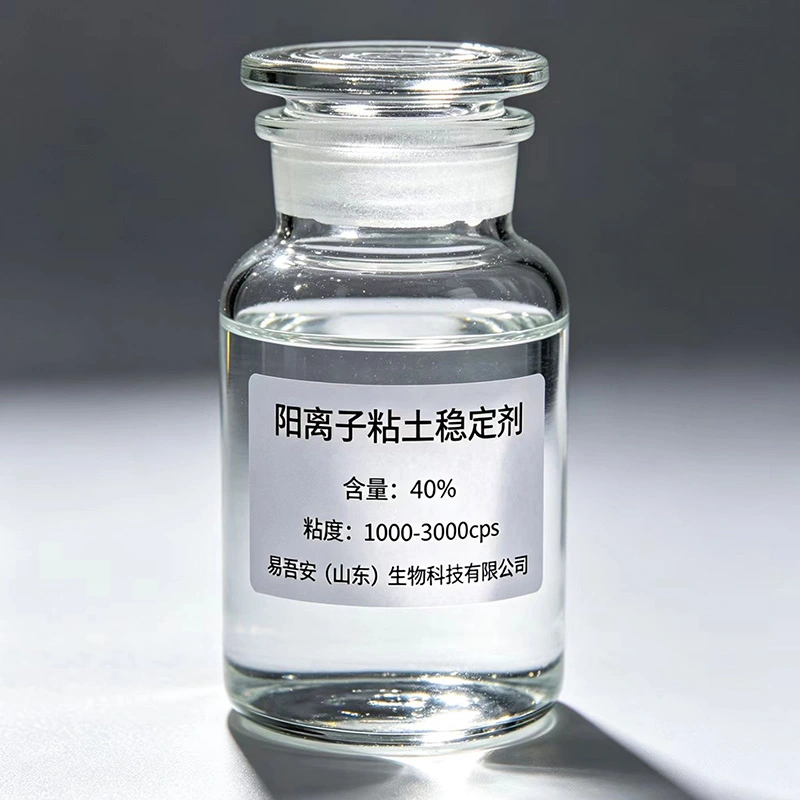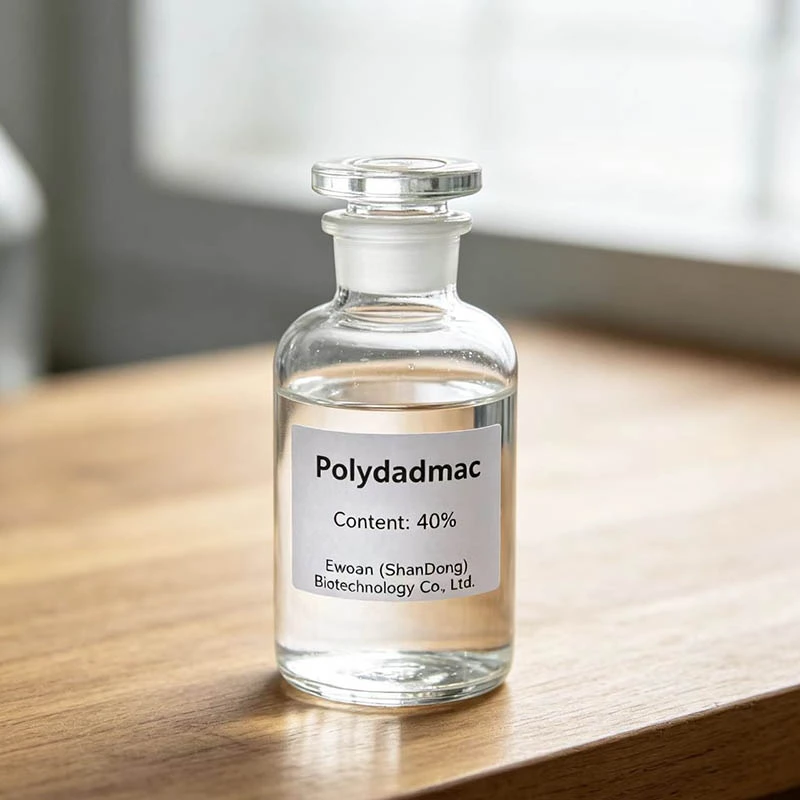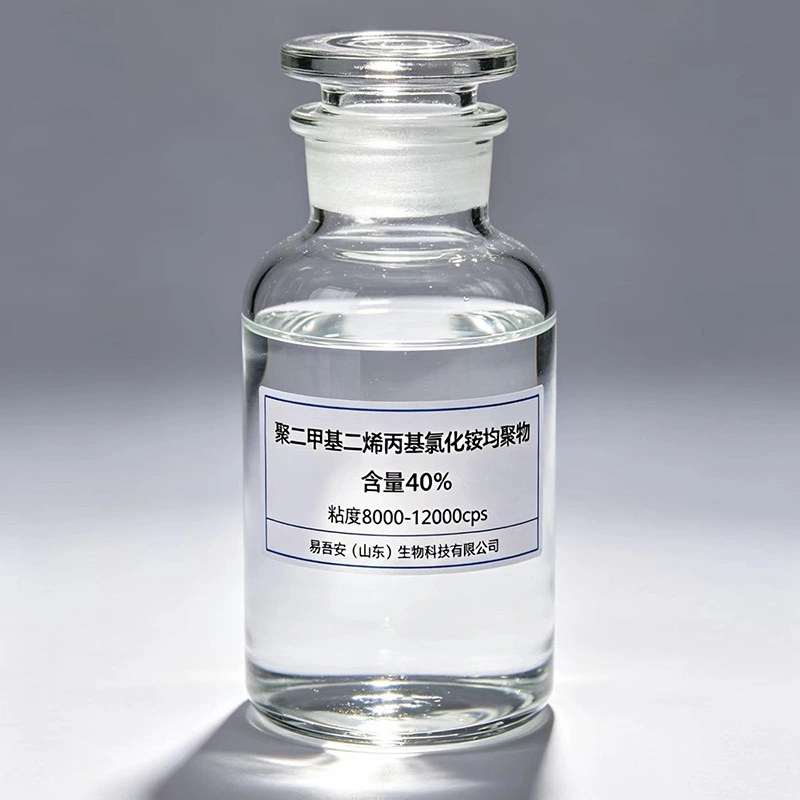
We offer a comprehensive portfolio including DMDAAC, PDMDAAC (liquid and exclusive bead/powder forms), and Polyacrylamide (PAM) series, with an annual production capacity of over 50,000 tons to meet diverse industrial needs.
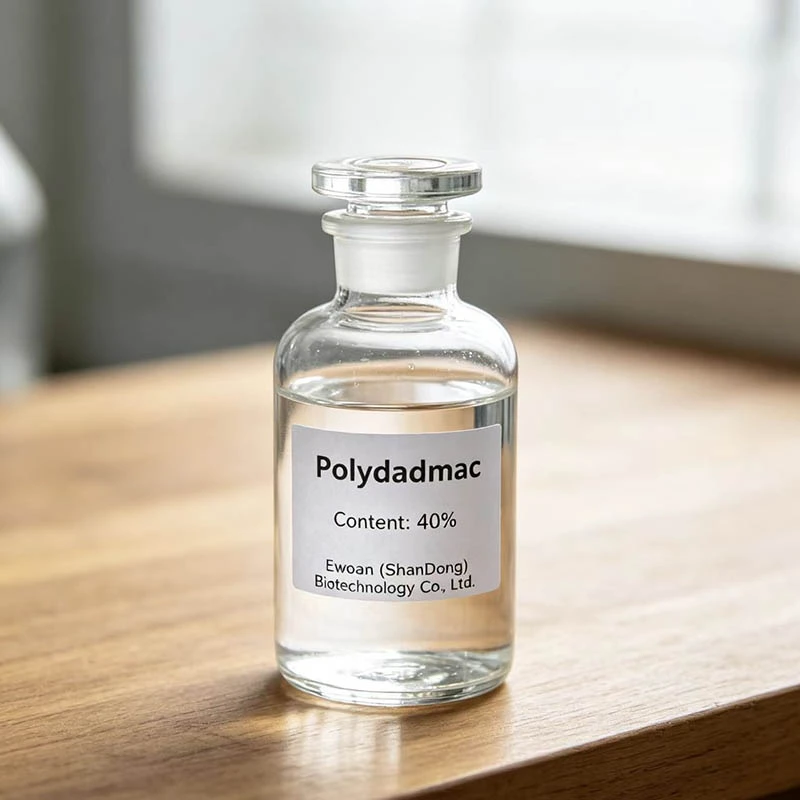
High Molecular Weight PolyDADMAC Polymer is a linear quaternary ammonium cationic polymer designed to tackle challenging solid-liquid separation tasks; it represents a performance upgrade over conventional low-to-medium molecular weight PolyDADMAC (polydiallyldimethylammonium chloride).
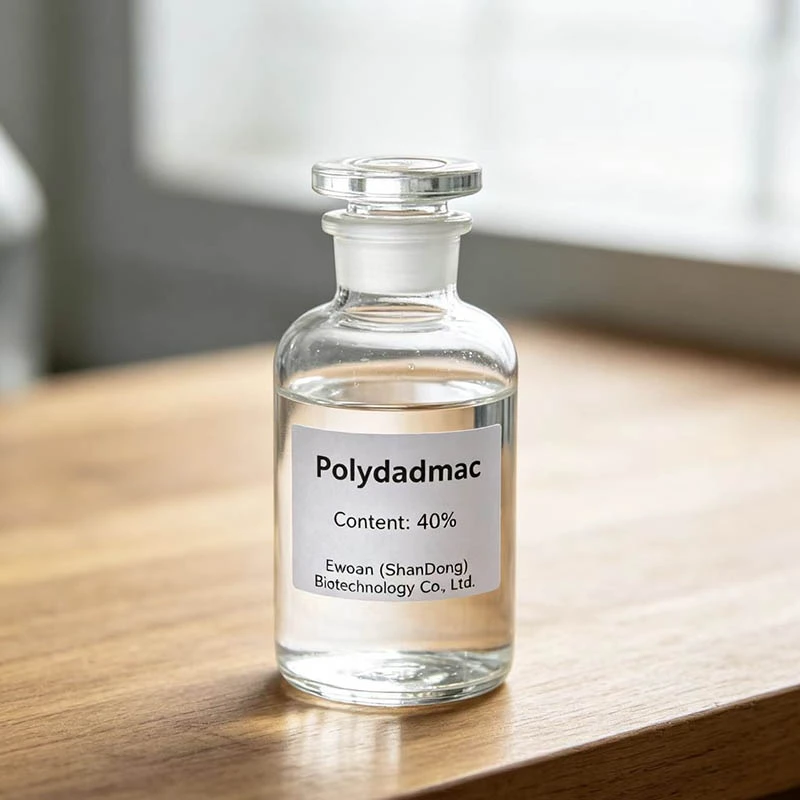
1 Basic Product Attributes
High Molecular Weight PolyDADMAC (full name: high molecular weight polydiallyldimethylammonium chloride; abbreviated as high MW PDMDAAC; CAS No. 26062-79-3) is a water-soluble, linear, high-molecular-weight quaternary ammonium strong cationic polyelectrolyte. It is a specialized functional polymer developed specifically for demanding solid-liquid separation applications.
2 Key Defining Standards
Industry standards define this product as having a molecular weight exceeding 500,000 Da, distinguishing it from general-purpose low- and medium-molecular-weight PolyDADMAC. Its core characteristics—ultra-long molecular chains, high solution viscosity, and exceptional particle-bridging capability—serve as the benchmark criteria for high-end flocculants and dewatering agents.
3 Basic Physicochemical Properties
High Molecular Weight PolyDADMAC Polymer appears as a colorless to pale yellow viscous liquid that is completely miscible with water, forming a stable, true solution. It is safe, non-toxic, non-flammable, and low-irritant to the skin. It offers stability against hydrolysis, resists gelation during long-term storage, and withstands chlorine and contamination, making it a compliant and safe industrial environmental auxiliary.
Unlike standard products that rely solely on charge neutralization for water purification, this PolyDADMAC Polymer utilizes an ultra-long molecular chain structure (exceeding 500,000 Daltons) to achieve a synergistic mechanism combining charge neutralization and molecular bridging. This results in larger, more structurally stable flocs with superior shear resistance.
Supplied as a liquid, water-soluble product, it is non-toxic, non-flammable, resistant to chlorine, acids, and alkalis, and does not gel or degrade over time. It is compatible with diverse, complex industrial water qualities and mechanical dewatering conditions, serving as a premium, specialized raw material for advanced industrial wastewater treatment, mineral sludge dewatering, and the purification of high-turbidity water.
Molecular weight is the pivotal factor determining the application scenarios and treatment efficacy of PolyDADMAC. Products with varying molecular weights differ fundamentally in their mechanisms of action, suitable operating conditions, and treatment results; consequently, molecular weight serves as a key criterion for industrial product selection.
1 Limitations of Low-Molecular-Weight Products
Low-molecular-weight PolyDADMAC primarily functions through charge neutralization. Characterized by short molecular chains and a lack of bridging capability, these products can only treat fine colloidal impurities. The resulting flocs are small and loose, settle slowly, and cannot withstand mechanical shear, making them unsuitable for high-load applications such as sludge dewatering or the treatment of high-turbidity wastewater.
2 Performance Advantages of High-Molecular-Weight Products
When the molecular weight exceeds 500,000 Da, the product forms ultra-long linear molecular chains with powerful physical adsorption and bridging capabilities. These chains can simultaneously capture and link dozens of suspended particles, creating a synergistic effect when combined with charge neutralization. The resulting flocs are large, dense, and settle rapidly, significantly enhancing water filtration and solid-liquid separation efficiency; overall flocculation performance far surpasses that of low- and medium-molecular-weight products.
3 Differences in Industrial Application Value
Low-molecular-weight products are suitable only for basic water purification scenarios involving stable water quality and low turbidity. In contrast, high-molecular-weight PolyDADMAC is adaptable to demanding conditions—such as complex water quality, high suspended solids content, high-viscosity mineral slurries, and high-intensity mechanical dewatering—effectively resolving industry pain points like incomplete treatment, fragile flocs, and low dewatering rates.
1 Synergistic Effect: Bridging and Flocculation
Leveraging an ultra-long molecular chain structure, these products combine charge neutralization with particle bridging. They rapidly form dense, large flocs without requiring high dosages, ensuring superior impurity capture and coverage. Under identical treatment standards, chemical consumption is reduced, effectively lowering water treatment and operational costs for enterprises.
2 High Shear Resistance
The high-molecular-weight PolyDADMAC polymer forms stable, tough floc structures with excellent shear resistance. High Molecular Weight PolyDADMAC Polymer is perfectly suited for high-intensity mechanical dewatering equipment—such as belt filter presses and centrifuges—effectively preventing floc breakage and loss. This maximizes dewatering capacity while significantly increasing sludge cake solids content and reducing filtrate turbidity.
3 Wide Operating Range Tolerance
The product features stable quaternary ammonium cationic groups; its performance remains undiminished—without hydrolysis or deactivation—across an ultra-wide pH range of 4.0 to 10.0, making it insensitive to pH fluctuations. It also exhibits excellent chlorine resistance, making it suitable for wastewater containing chlorine or experiencing pH swings. This eliminates the need for frequent process parameter adjustments and simplifies production management.
4 Liquid Form: No Dissolution Required
Supplied as a viscous liquid with excellent water solubility, it requires no pre-dissolution or mixing. It integrates directly with automated dosing systems, ensuring precise feeding without dust or clumping. Ideal for large-scale, continuous industrial production, it significantly reduces manual labor costs.
| Comparison Criteria | Low-Molecular-Weight PolyDADMAC | High-Molecular-Weight PolyDADMAC |
| Molecular Weight | < 100,000 Da | > 500,000 Da |
| Primary Mechanism | Charge neutralization | Cross-linking + charge neutralization |
| Floc Size | Small, loose | Large, dense, stable |
| Settling Rate | Slow | Fast |
| Shear Resistance | Weak | Strong |
| Optimal Applications | Low turbidity, fine purification | Sludge dewatering, high-turbidity wastewater, oil-containing wastewater |
1 High-Turbidity Industrial Wastewater Treatment
Suitable for industrial wastewater with high suspended solids, high color, and complex impurities—such as that from chemical manufacturing, textile printing and dyeing, papermaking, and electroplating. It rapidly flocculates and settles fine suspended particles and organic colloids, quickly reducing turbidity and color to ensure effluent consistently meets discharge standards.
2 Mining Slurry Dewatering and Purification
Specifically designed for various mineral slurry systems—including coal, sand and gravel, titanium dioxide, and natural soda ash. It efficiently achieves solid-liquid separation, accelerates slurry settling and dewatering, improves tailings recovery rates, and minimizes resource waste. It is well-suited for large-scale mining washing, beneficiation, and slurry treatment processes.
3 Municipal Sludge Deep Dewatering
Used for conditioning excess sludge and biochemical sludge in municipal wastewater treatment plants. The resulting flocs are resistant to compression and breakage, effectively enhancing dewatering efficiency, lowering sludge water content, reducing the volume of sludge for disposal, and cutting solid waste treatment costs.
4 Treatment of Complex Chlorine-Containing Wastewater
With excellent chlorine resistance, this product is suitable for treating chlorinated post-disinfection sewage and chlorine-containing process wastewater from the chemical industry; it prevents reagent deactivation caused by residual chlorine, ensuring long-term, stable flocculation and purification performance.
1 Ultra-long linear molecular chains = Superior bridging capability
Ultra-long linear molecular chains with a molecular weight exceeding 500,000 Da form the core basis of the product's unique bridging function. These long-chain molecules span multiple suspended particles to create a three-dimensional network adsorption structure, aggregating scattered micro-impurities into large flocs—a key performance capability that short-chain, low-molecular-weight products cannot achieve.
2 High-density quaternary ammonium groups = Stable charge neutralization capability
The molecular chains feature a uniform distribution of numerous cationic quaternary ammonium active groups. This high and permanently stable charge density—unaffected by water quality, pH, or residual chlorine—allows for the continuous, stable neutralization of negatively charged impurities, ensuring consistent flocculation, decolorization, and purification results from the source.
3 Stable linear structure = Hydrolysis resistance and gel-free characteristics
The regular linear molecular structure lacks branches and easily hydrolyzable groups, preventing molecular breakage or gelation/agglomeration in aqueous environments. Performance remains constant during long-term storage and operational use without the risk of degradation or failure, making it ideal for long-term, continuous production processes.
1 Core Technical Specifications
Product Name: High Molecular Weight PolyDADMAC Polymer (High MW PolyDADMAC/PDMDAAC)
CAS Number: 26062-79-3
Key Parameters: Molecular weight > 500,000 Da; high viscosity; high charge density
Appearance: Colorless to pale yellow, uniform, viscous liquid
Applicable pH Range: 4.0--10.0
Product Characteristics: Chlorine-resistant, shear-resistant, hydrolysis-resistant, gel-free, non-toxic, and non-flammable
2 Recommended Application Scenarios
Preferred Choice (High MW PolyDADMAC): High-turbidity wastewater; mechanical sludge dewatering; solid-liquid separation of mining slurries; complex wastewater containing chlorine; operations requiring high floc strength and rapid settling rates
Not Recommended: Pre-treatment of low-turbidity drinking water; mild water purification scenarios requiring only simple charge neutralization (standard low-to-medium MW PolyDADMAC is more cost-effective here)
3 Packaging, Storage, Transport, and Shelf Life
Packaging: Standard PE plastic drums and IBC totes; suitable for both small-batch sampling and large-scale production procurement
Storage Requirements: Store in a sealed container in a cool, dry place; keep away from strong oxidizers and avoid exposure to high temperatures or direct sunlight
Transport: Non-hazardous; convenient for sea and land transport; no special logistics restrictions
Shelf Life: 2 years under standard storage conditions; stable performance with no degradation across batches
Address
Wanhong Plaza, Jinan City, Shandong Province, China
Tel