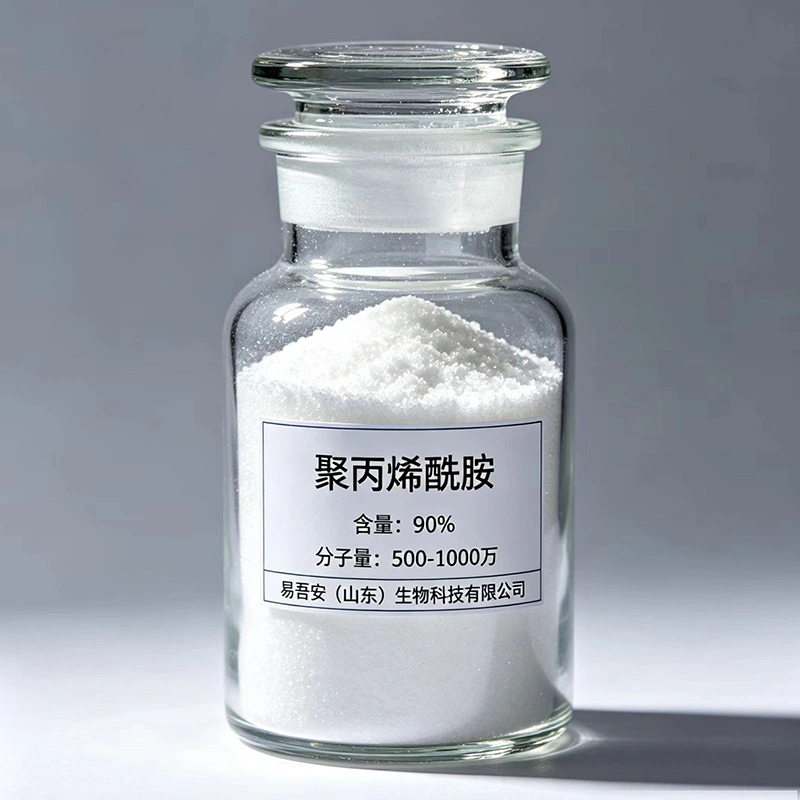
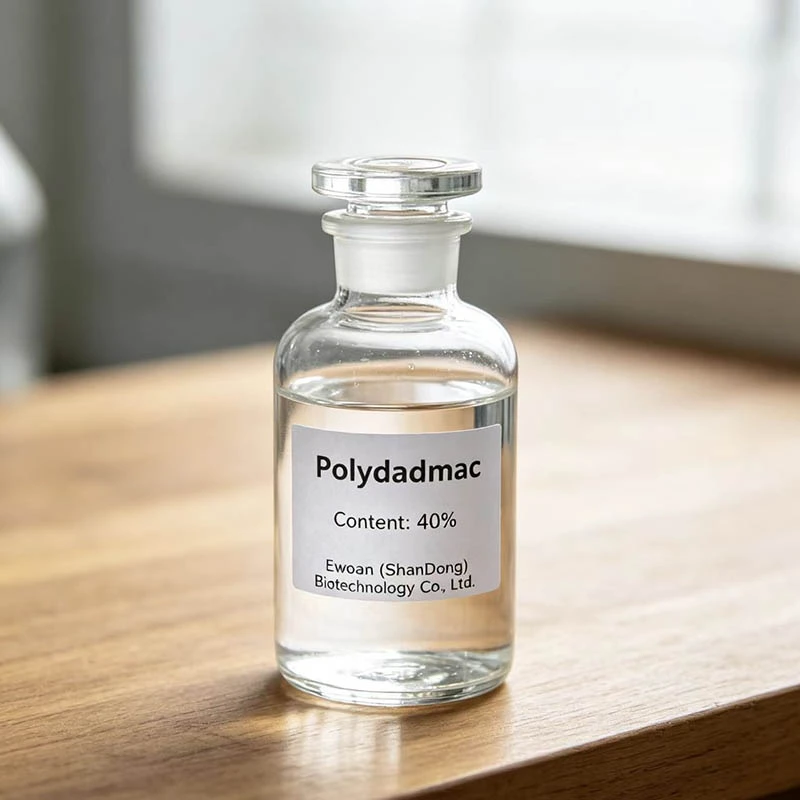
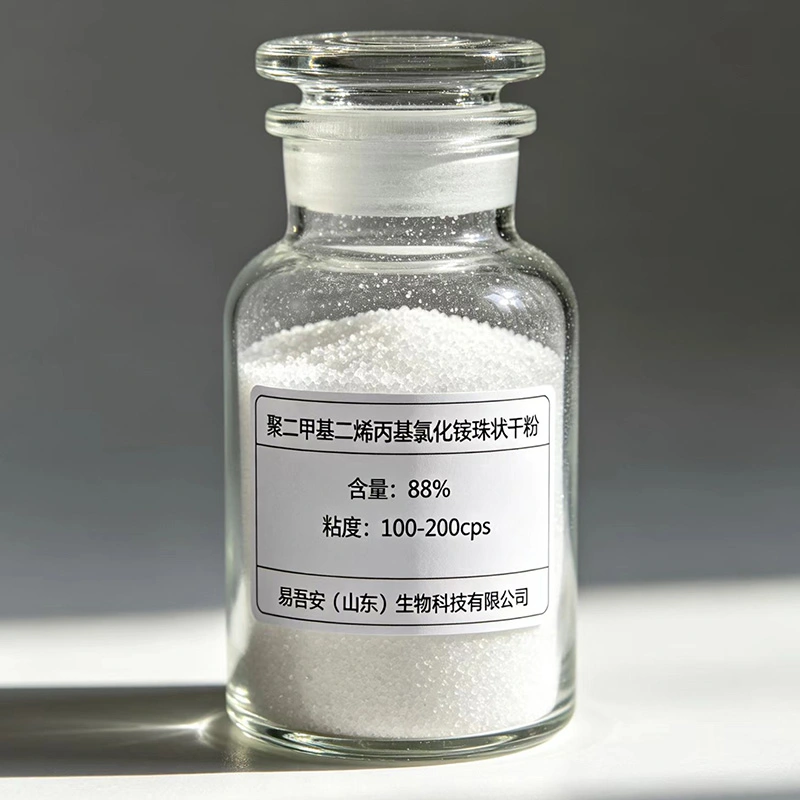
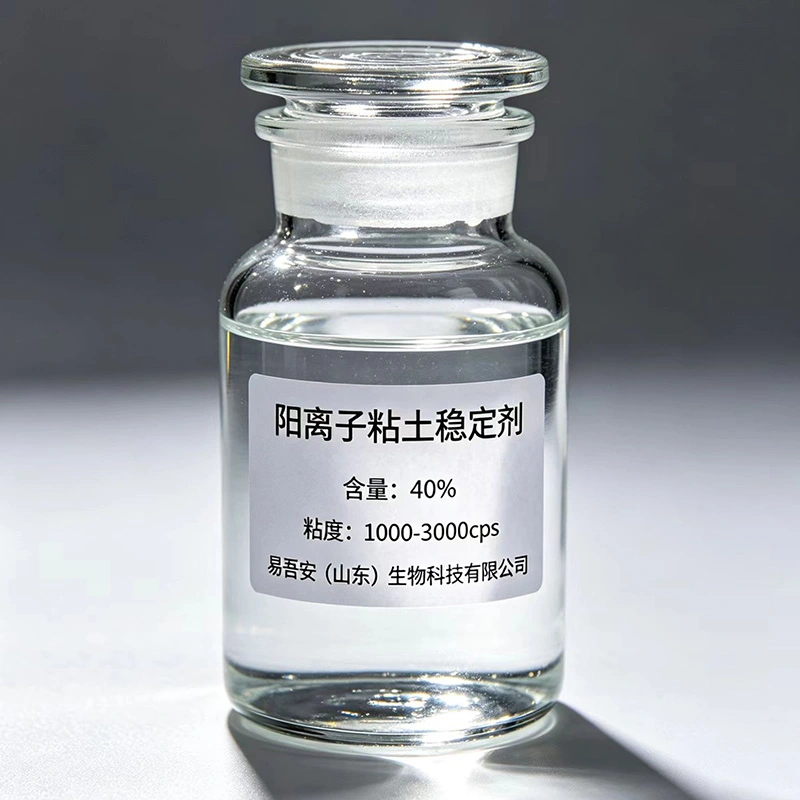
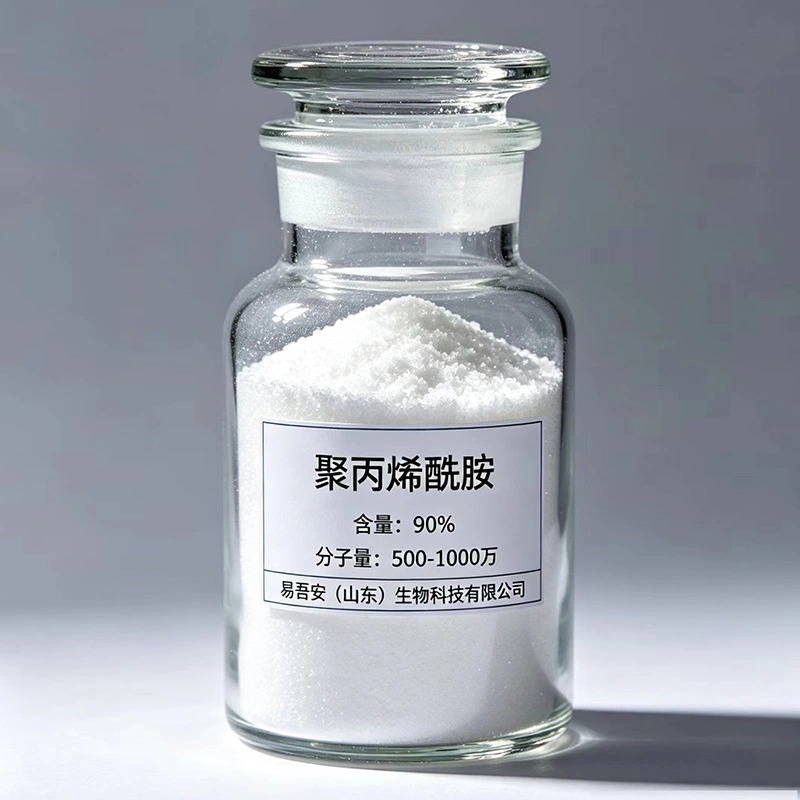
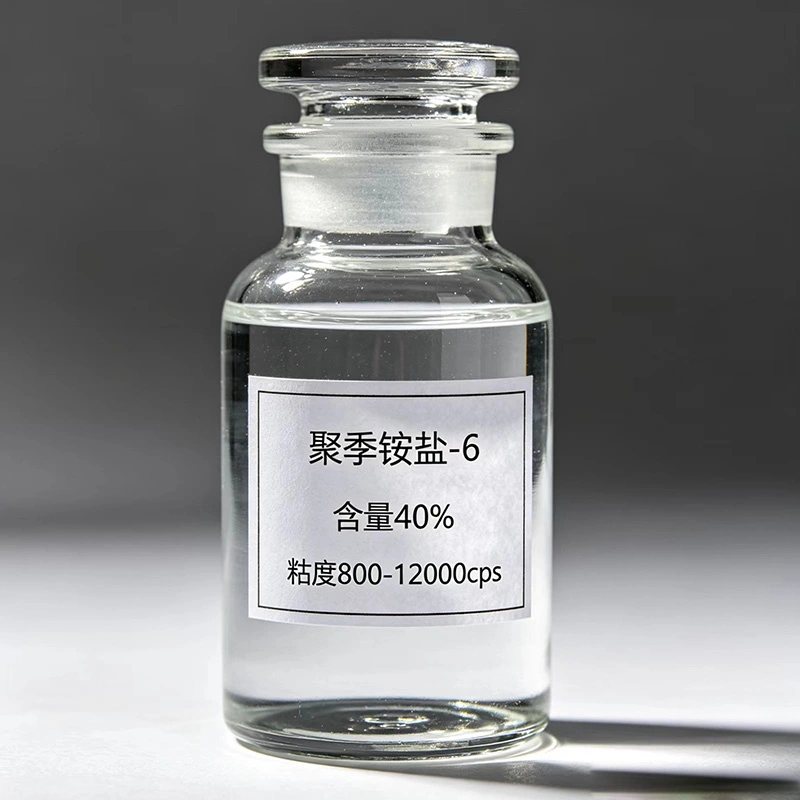
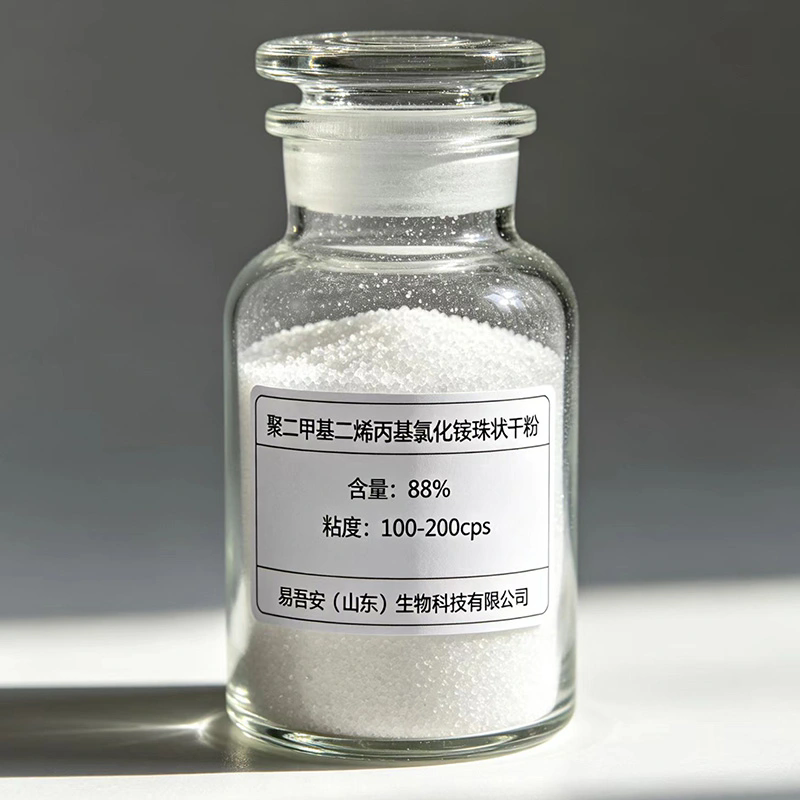
Flocculation stands as one of the core steps in modern wastewater treatment. Many plant operators notice that the same chemical may deliver great results one day yet perform poorly the next, even without changing the dosage. In fact, flocculation performance is controlled by multiple interactive variables, rather than depending on the chemical alone.
Raw Water pH Condition
pH value directly changes the surface charge of suspended colloids and determines the hydrolysis state of added chemicals. Outside the suitable pH zone, charge neutralization cannot happen completely. Fine particles will refuse to gather into dense flocs, leading to slow settling and turbid outgoing water. It should always be checked before chemical dosing.
Temperature of Wastewater
Water temperature affects molecular movement speed and floc growth rate. At very low temperatures, particle mobility slows down and flocs tend to be small and loose. Higher‑temperature environments speed up reactions, yet over‑heated water may break some sensitive polymer chains and reduce effectiveness. Winter seasons usually require minor dosage adjustments on‑site.
Initial Concentration of Suspended Solids
The baseline level of suspended solids creates a huge difference for flocculation. When solid content is extremely low, there are not enough collision chances between particles to form big flocs. Too many solids, on the other hand, will consume excessive chemical agents. A reasonable baseline balance helps achieve cost‑effective treatment.
Mixing Speed and Retention Time
Rapid stirring at the beginning evenly spreads chemicals into the water for fast charge neutralization. Slow gentle mixing later allows small flocs to stick together and grow bigger. Over‑stirring for too long will tear formed flocs into tiny pieces. Every treatment tank needs matched mixing speed and holding time.
Key Takeaway for Stable Operation
No single factor works alone. Operators need to monitor pH, temperature, solid content and stirring parameters together. Jar tests based on real‑time samples remain the most reliable method to adjust formula and dosage for consistent flocculation efficiency.
We use cookies to offer you a better browsing experience, analyze site traffic and personalize content. By using this site, you agree to our use of cookies. Privacy Policy