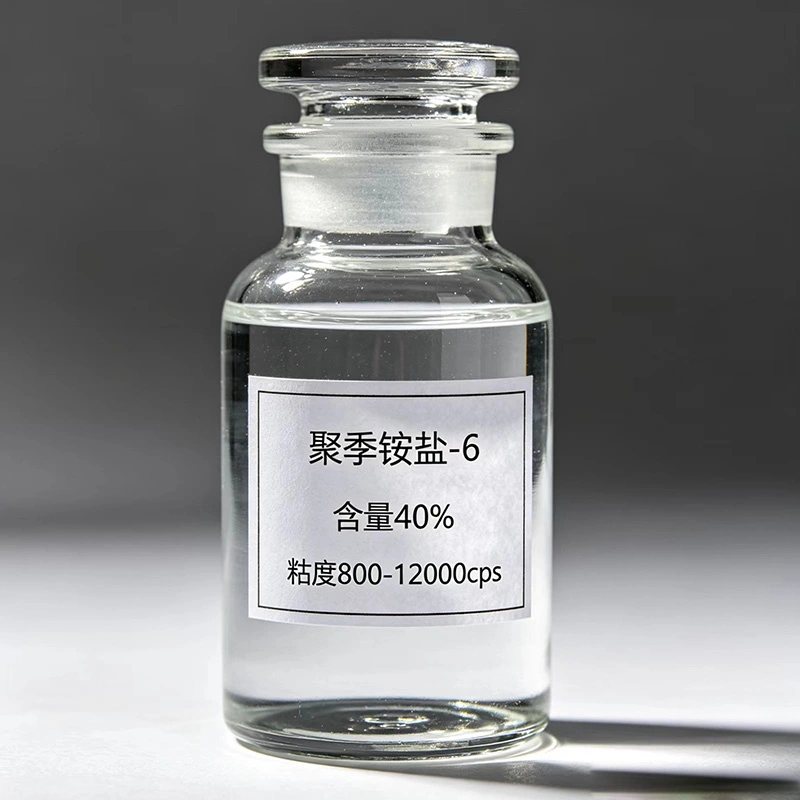
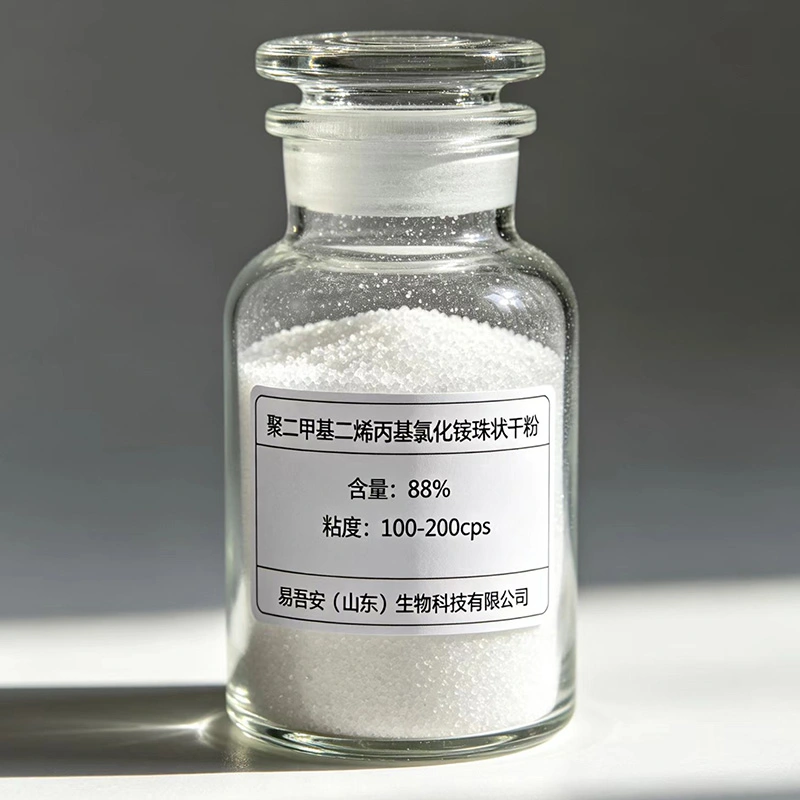
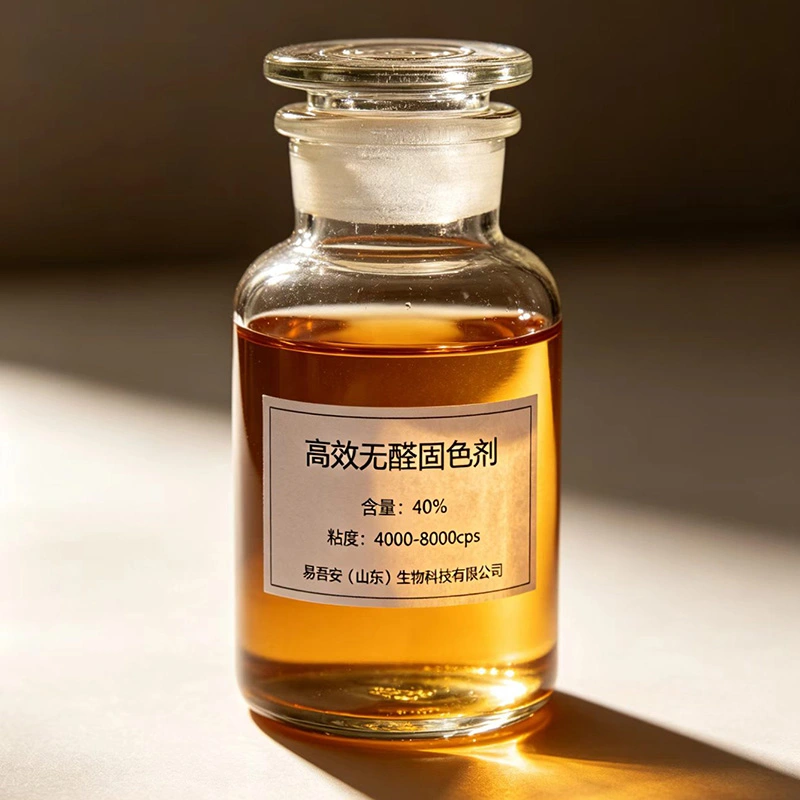
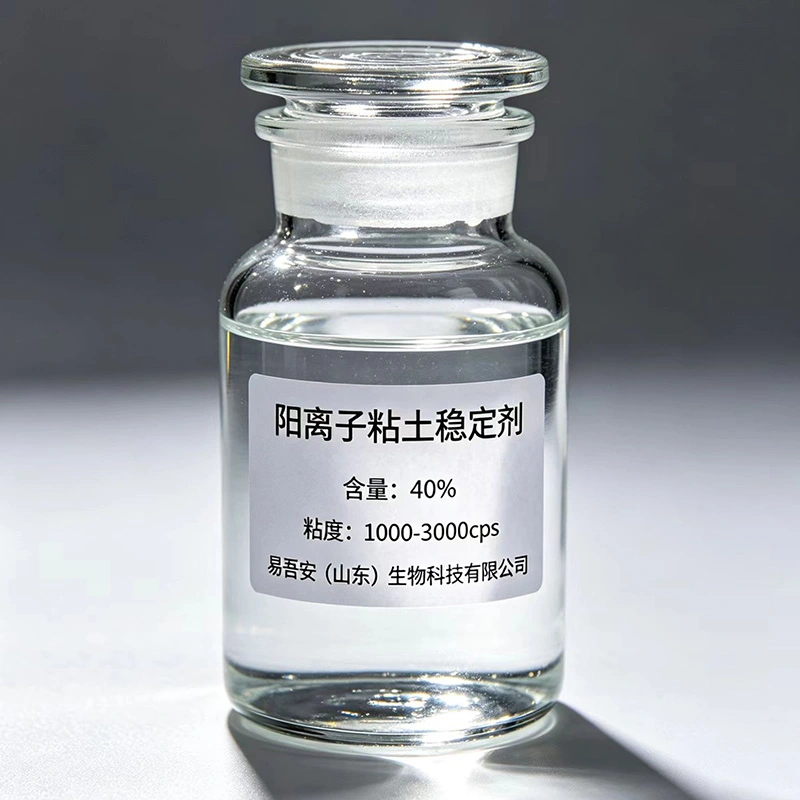
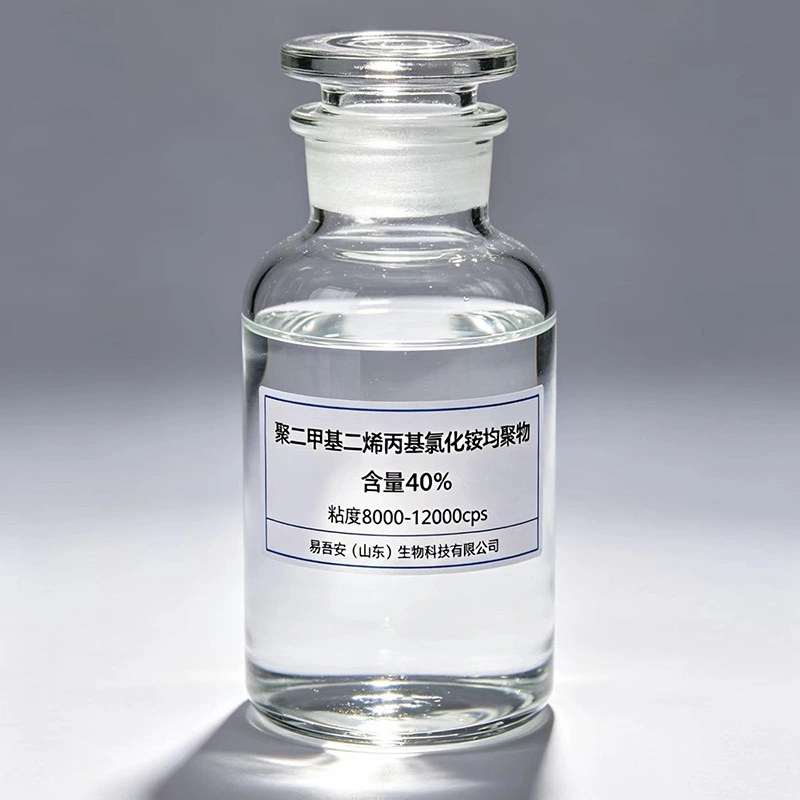
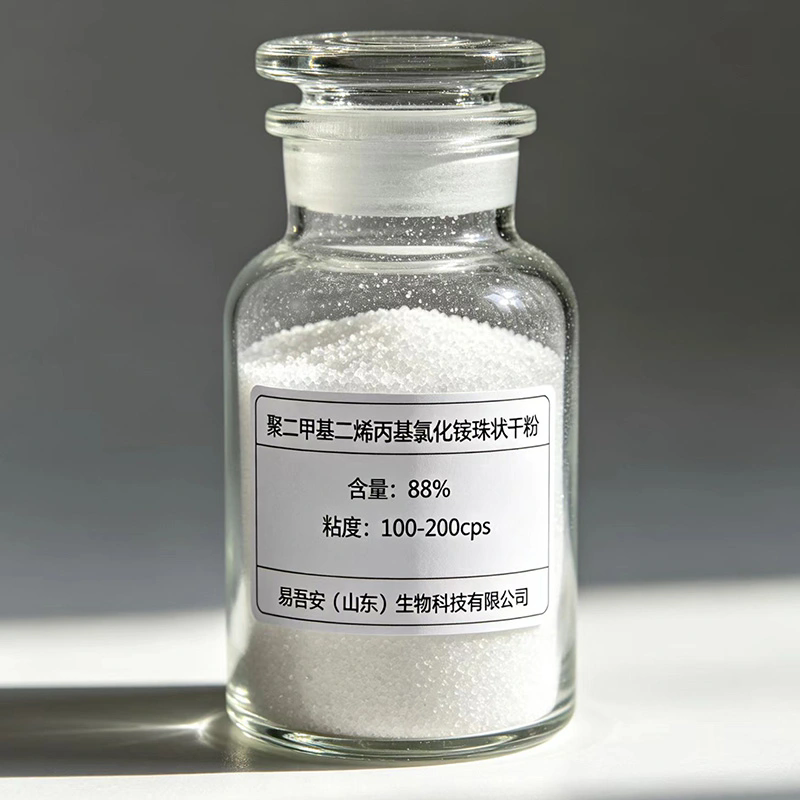
Cationic monomers are positively charged organic molecules that serve as the foundation for a wide range of specialty polymers. The most commercially significant types include quaternary ammonium salts such as DADMAC (diallyldimethylammonium chloride), TMAEMC, and DMAEA. These monomers enable the introduction of permanent positive charges along polymer backbones, which is essential for applications requiring electrostatic interaction with negatively charged substrates.
The polymerization of these monomers can be carried out via free-radical mechanisms in aqueous or emulsion systems. Key performance parameters include monomer purity, residual inhibitor content, and pH stability, all of which directly influence final polymer molecular weight and charge density. Recent technical progress has focused on reducing byproduct formation and improving monomer conversion rates, thereby enhancing overall process sustainability and cost-effectiveness.
We use cookies to offer you a better browsing experience, analyze site traffic and personalize content. By using this site, you agree to our use of cookies. Privacy Policy