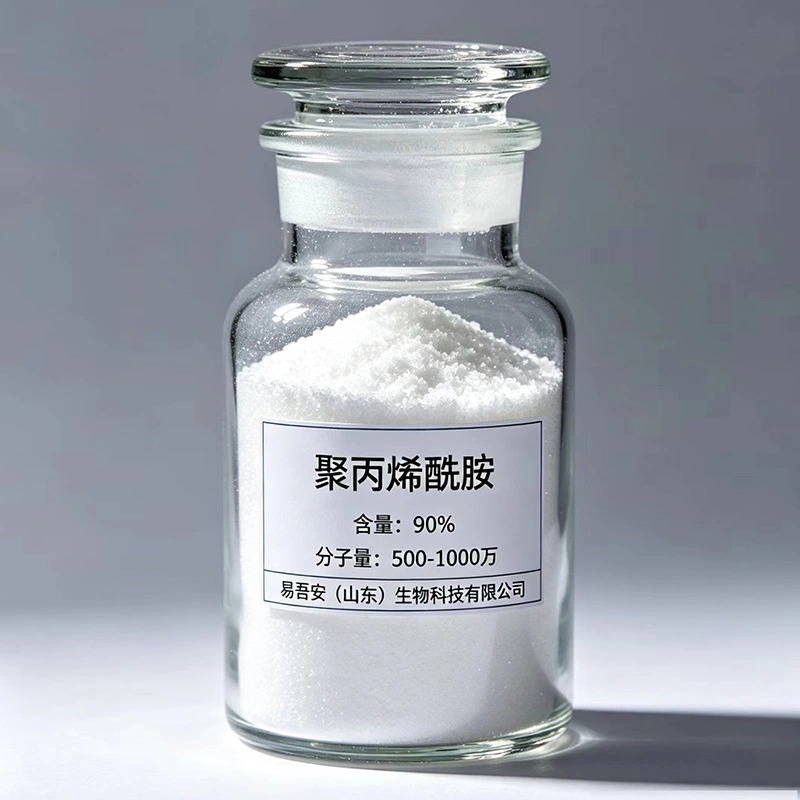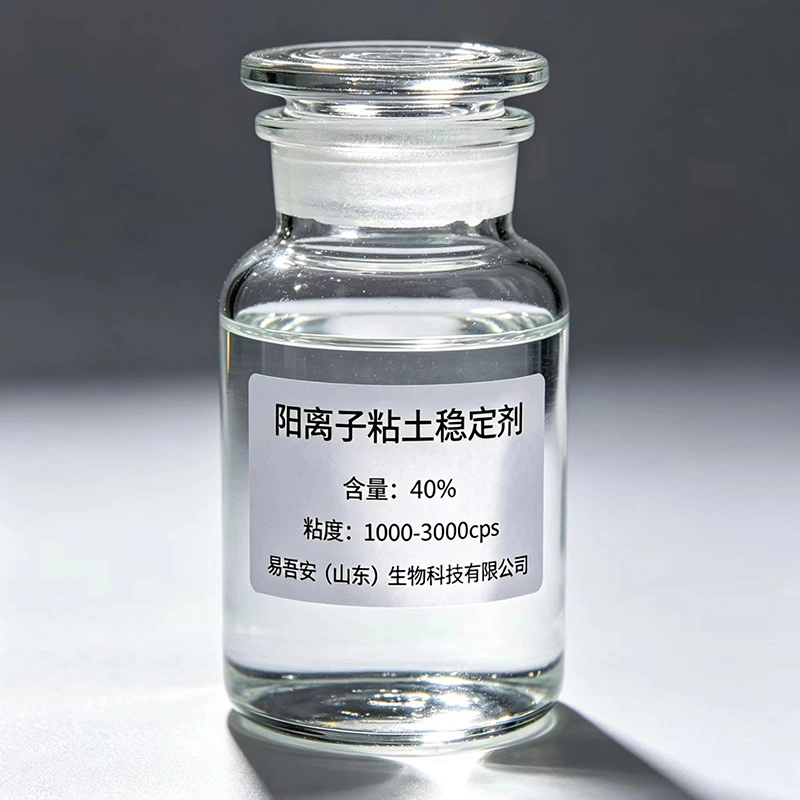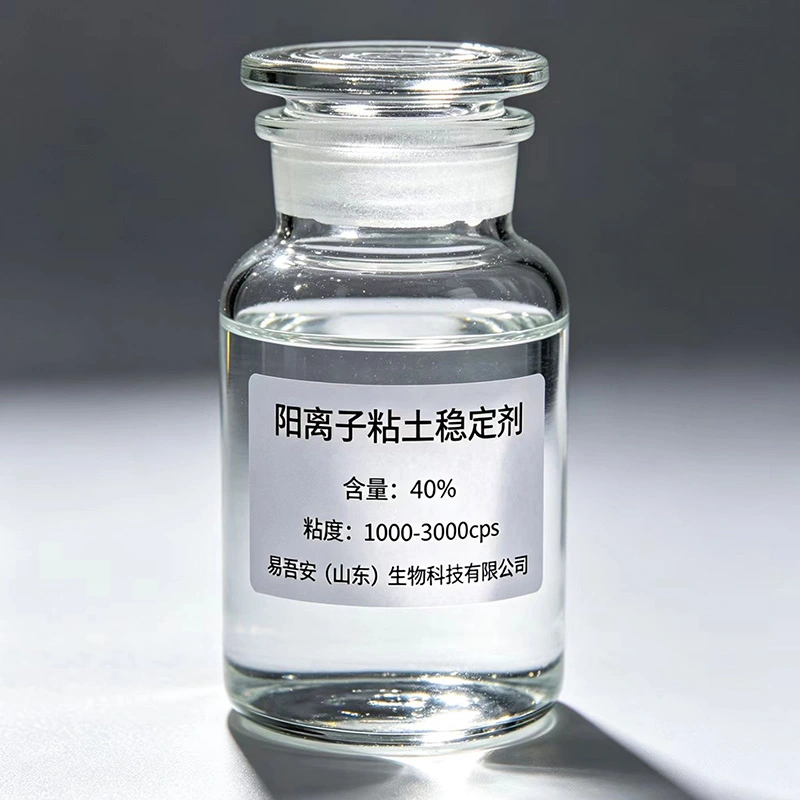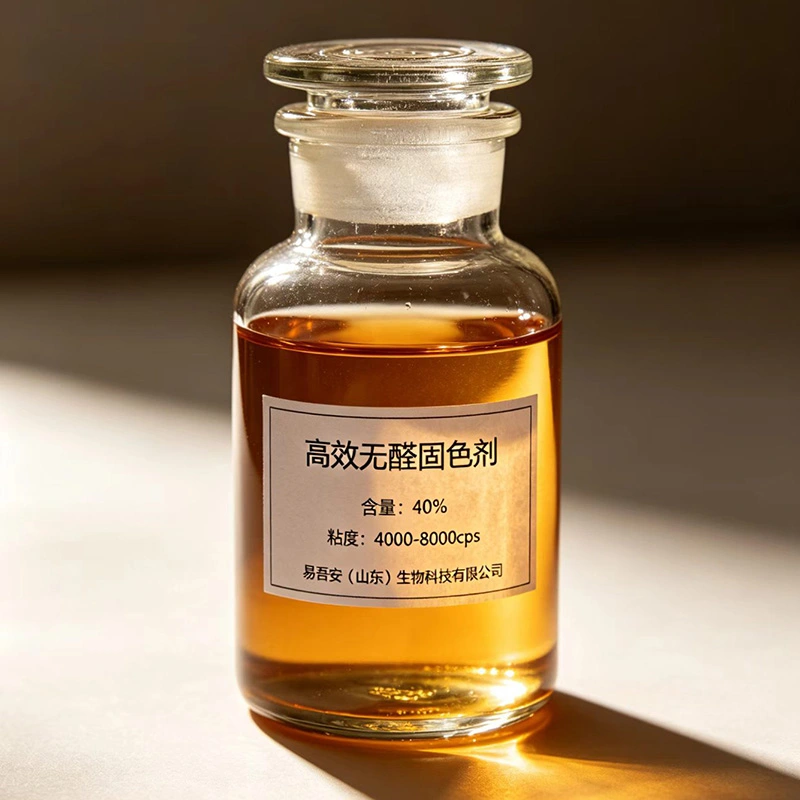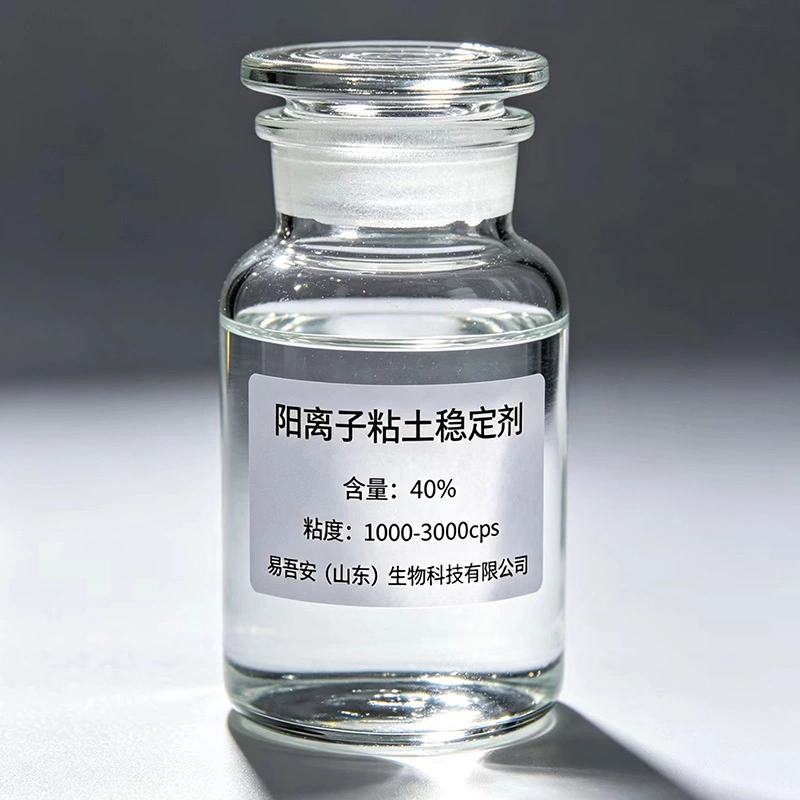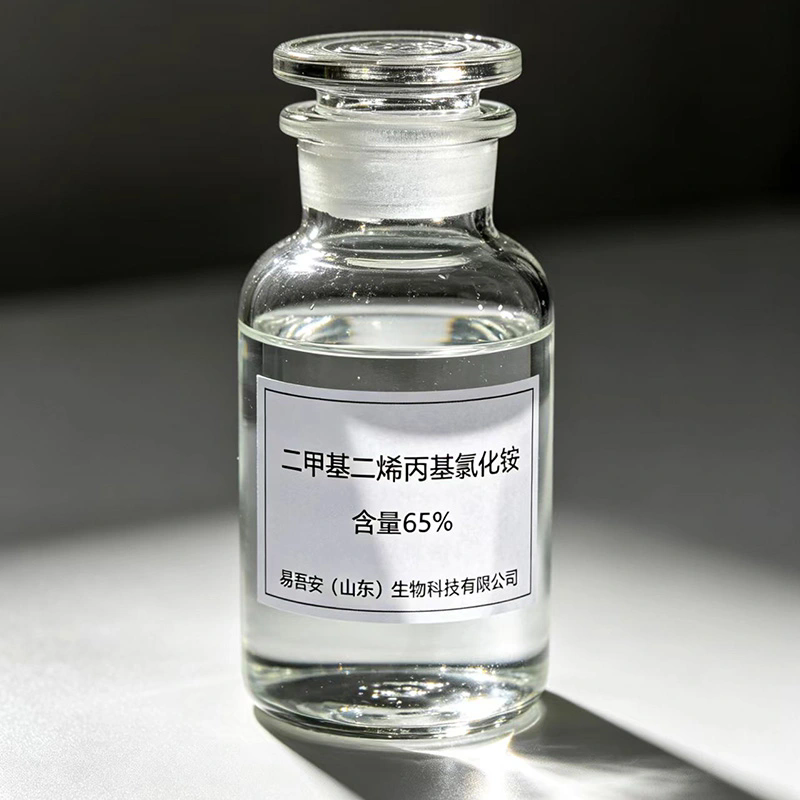
We offer a comprehensive portfolio including DMDAAC, PDMDAAC (liquid and exclusive bead/powder forms), and Polyacrylamide (PAM) series, with an annual production capacity of over 50,000 tons to meet diverse industrial needs.
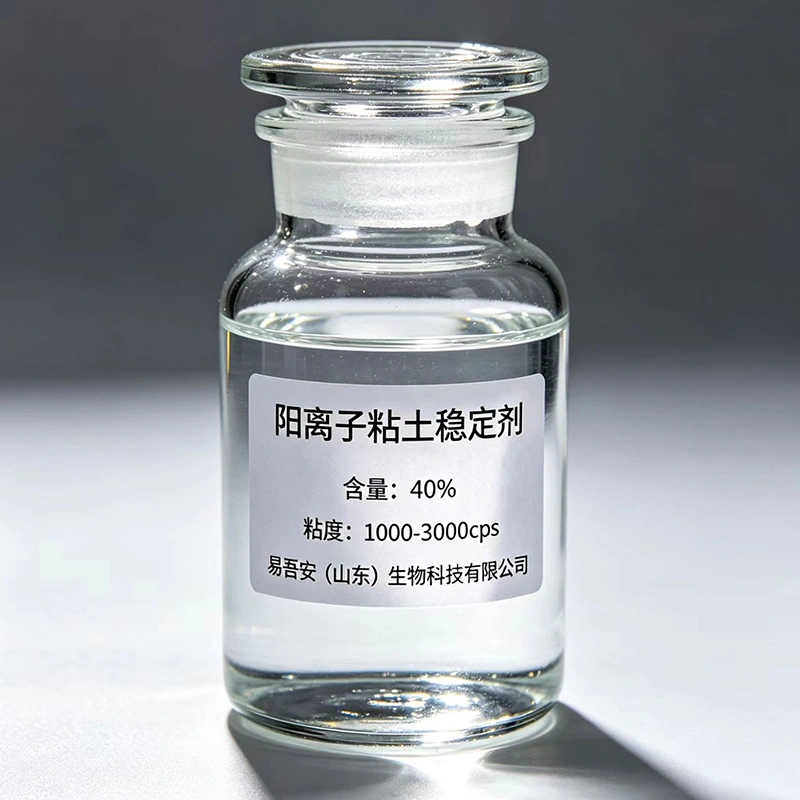
To tackle industry challenges—such as the swelling, dispersion, and migration of water-sensitive clays during drilling and reservoir stimulation—this stabilizer employs a triple-action mechanism: irreversible electrostatic adsorption, surface film-forming sealing, and particle anchoring. It fundamentally prevents downhole issues like pore throat constriction, permeability reduction, stuck pipe incidents, and wellbore collapse.
The product is entirely chlorine-free, low-toxicity, and biodegradable; it withstands exposure to acids, alkalis, salts, oil, and water, and is compatible with all types of drilling fluids. It serves as a replacement for traditional inorganic salt stabilizers and meets global standards for eco-friendly oilfield operations.
1.1 Key Physicochemical Properties
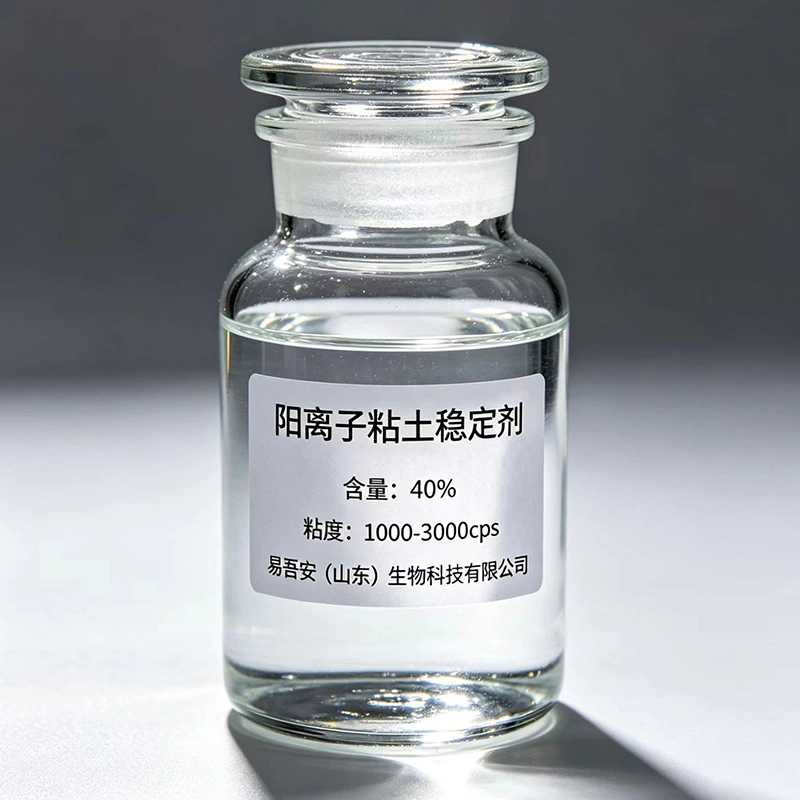
This product is a high-charge-density, strongly cationic polymer with excellent water solubility. It dissolves rapidly and completely in various oilfield water sources—including fresh water, brine, and calcium chloride brine—producing clear, uniform working fluids without precipitation or phase separation. It boasts superior thermal stability; the standard grade decomposes above 150°C, while specialized high-temperature grades withstand extreme conditions up to 300°C, making them suitable for thermal recovery and deep-well drilling operations.
Additionally, it is resistant to acids, alkalis, salts, and oil/water erosion, ensuring long-lasting performance without degradation.
1.2 Chlorine-Free, Eco-Friendly Compliance
Unlike traditional inorganic potassium chloride stabilizers, this cationic clay stabilizer for oilfield drilling contains no chloride ions and leaves no toxic residues in the drilling fluid. It is low-toxicity and biodegradable, fully aligning with domestic and international environmental regulations for "green" oilfield operations. It avoids the formation and water pollution issues associated with traditional agents, making it suitable for oil and gas projects subject to strict environmental controls.
1.3 High-Efficiency Clay Stabilization and Quality Enhancement
The product offers stable, superior clay stabilization performance; the inhibition rate reaches 85%--88% under standard conditions, while high-end modified grades exceed 91%. It inhibits the hydration and swelling of water-sensitive clays—such as montmorillonite and illite—at the source. It effectively resolves pore-throat blockages caused by clay swelling, prevents significant productivity declines (which can reach up to 70%), and preserves the reservoir's original permeability.
1.4 Cost Reduction through Versatility
A single product covers the entire operational workflow—including drilling, completion, fracturing, acidizing, water injection, and workover—eliminating the need for multiple clay-stabilizing additives. This streamlines procurement and inventory management, simplifies on-site fluid mixing, and reduces costs associated with downtime from downhole failures and long-term maintenance.
2.1 Comprehensive Mechanism in Drilling Fluid Systems
Step 1: Charge Adsorption
Upon mixing with the drilling fluid, the cationic active groups rapidly capture the negative charges on the surface of formation clays. This achieves irreversible electrostatic adsorption, completely neutralizing the clay's electrical charge and eliminating the fundamental conditions required for hydration and swelling.
Step 2: Film-Forming Sealing
High-molecular-weight polymers form a dense, hydrophobic protective film on the surface of clay particles, preventing water molecules from penetrating the clay interlayers.
Step 3: Particle Anchoring and Stabilization
Fine clay fragments are firmly anchored, preventing particles from dispersing, migrating, or accumulating due to drilling fluid flow. This ensures clear flow channels and borehole wall integrity throughout the operation.
2.2 Standardized On-site Application Process
The Cationic Clay Stabilizer for Oilfield Drilling utilizes a simple "mix-and-use" application method, eliminating the need for complex pre-treatment or heating during preparation. Dosage is precisely calculated based on site-specific clay content, formation water sensitivity, and total drilling fluid volume; the agent is added directly and evenly to the base drilling fluid and mixed at a constant speed, making it suitable for large-scale, continuous oilfield drilling operations.
2.3 Dosage Principles for Various Operating Conditions
For shallow, moderately water-sensitive formations, a standard dosage is used to meet basic clay-swelling inhibition and wellbore stabilization needs. For deep, high-temperature, high-pressure (HTHP) formations and high-salinity brine drilling conditions, the dosage is slightly adjusted to enhance temperature and salt resistance. For complex formations prone to collapse—such as shale or fractured zones—the dosage is moderately increased to improve film-forming sealing and particle anchoring effects, thereby preventing downhole incidents.
2.4 Operational Precautions
It is recommended to conduct small-scale pilot tests on site-specific formation samples prior to operations to determine the optimal mixing ratio and application plan. The product can be added simultaneously with other drilling additives, requiring no staggered processing steps. After fluid preparation, prolonged static storage or exposure to direct sunlight should be avoided to maintain the agent's activity and maximize its clay-swelling inhibition and wellbore stabilization performance.
3.1 Inhibiting Clay Hydration and Collapse; Stabilizing Wellbore Structure
During drilling, freshwater-based drilling fluids easily penetrate the formation, causing clay to absorb water, swell, and undergo interlayer cleavage, which leads to wellbore sloughing, spalling, and collapse. This product inhibits clay hydration and cleavage at the source by forming a sealing film that blocks water-rock interactions; it reinforces the integrity of the wellbore rock layers, significantly reducing the risk of wellbore instability and ensuring the continuity of drilling operations.
3.2 Preventing Fine Particle Migration and Wellbore Plugging
Drilling in water-sensitive formations often generates large amounts of fine clay debris. As this debris migrates with the fluid flow, it can plug the wellbore, screen pipes, and formation pores, leading to increased pump pressure and impeded drilling progress. This product firmly anchors fine particles, preventing debris from dispersing, suspending, or accumulating to cause blockages; this ensures smooth drilling fluid circulation and stabilizes drilling parameters.
3.3 Mitigating Stuck-Pipe Incidents and Reducing Operational Risks
Severe clay swelling can lead to borehole constriction and stuck-pipe incidents; minor cases disrupt schedules, while severe ones cause equipment damage or the total loss of the well. This product provides long-lasting inhibition of clay swelling and borehole constriction, maintaining a uniform and intact wellbore. It effectively prevents major downhole issues such as stuck pipes or buried drill strings, significantly enhancing drilling safety.
3.4 Stabilizing Formation Properties to Ensure Long-Term Stable Production
It protects the reservoir's original pore structure and permeability throughout the process, preventing permanent reservoir damage caused by clay swelling and avoiding the degradation of formation properties during drilling. This lays a solid foundation for subsequent well completion, fracturing, and production, ensuring long-term, high-yield, and stable oil and gas output.
4.1 Standardized Solution for Water-Sensitive Sandstone Formations
For conventional water-sensitive sandstone formations, a standard dosage is applied. Leveraging charge neutralization and film-forming anti-swelling mechanisms, it stabilizes formation clay minerals and prevents permeability loss. It is suitable for routine drilling and water injection operations in conventional oil and gas wells, offering high cost-effectiveness and consistent performance.
4.2 Specialized Solution for High-Temperature, Deep Formations
Designed for the harsh conditions of deep, high-temperature formations and thermal recovery (steam huff-and-puff) operations, this solution utilizes a high-temperature-resistant grade capable of withstanding temperatures up to 300°C. It remains stable without decomposing, losing effectiveness, or desorbing at high temperatures, continuously maintaining clay stability and wellbore integrity to meet the high-end drilling requirements of ultra-deep and thermal recovery wells.
4.3 Solution for High-Salinity/High-Mineralization Formations
Tailored for high-salt and high-mineralization formations, this product's salt and erosion resistance make it an ideal fit. It remains effective in brine and calcium chloride systems without performance degradation caused by mineralization shocks. It eliminates dual formation damage—from both salt sensitivity and water sensitivity—ensuring drilling stability in complex salt formations.
4.4 Tailored Solution for Shale Oil and Gas Formations
Shale formations are characterized by well-developed bedding planes, high water sensitivity, and a strong tendency toward collapse and instability, making them high-risk zones for drilling operations. The Cationic Clay Stabilizer for Oilfield Drilling employs multi-point anchoring and sealing technology to reinforce the sealing of shale micro-fractures and stabilize clay minerals. By inhibiting shale hydration and disintegration, it addresses critical challenges such as borehole instability, excessive cuttings return, and operational difficulties, thereby facilitating the efficient development of shale oil and gas resources.
5.1 Synergy with Fracturing and Slickwater System Additives
It is highly compatible with guar gum fracturing fluids, slickwater, energized water, and perforation fluid systems. Upon mixing, it causes no antagonism, precipitation, or premature gel breaking. It consistently protects the reservoir throughout the fracturing process, preventing formation damage caused by clay swelling induced by fracturing fluids and enhancing production stimulation results.
5.2 Synergistic Enhancement with Corrosion Inhibitors and Drag Reducers
It can be used in conjunction with common oilfield corrosion inhibitors and pipeline drag reducers without mutual interference. While stabilizing clay and protecting the reservoir, it assists in reducing pipeline friction and inhibiting equipment corrosion, comprehensively optimizing drilling conditions and extending equipment service life.
5.3 Advantages of Combination with Conventional Drilling Fluid Additives
It exhibits excellent compatibility with conventional additives such as fluid loss control agents, viscosifiers, and shale inhibitors. It integrates seamlessly into existing, proven drilling fluid systems without requiring formula modifications or adjustments to operational procedures. It works synergistically to optimize mud cake quality and reduce fluid loss, further enhancing borehole stability.
5.4 Additive Compatibility and Usage Guidelines
It is compatible with the vast majority of neutral, acidic, and weakly alkaline working fluid systems used in oilfields. However, mixing with strong oxidizers or highly alkaline additives (exceeding standard limits) is strictly prohibited to prevent the degradation of its polymer structure and loss of efficacy. Under standard oilfield operating conditions, it ensures full system compatibility, delivering synergistic quality improvements without compromising performance.
6.1 Core Standards for Procurement and Acceptance in the Oilfield Industry
Appearance Standards: Clear, viscous liquid ranging from colorless to pale yellow; free of mechanical impurities, phase separation, or sedimentation.
Performance Standards: Clay swelling inhibition rate ≥85% (≥91% for premium grades); temperature resistance >150°C (up to 300°C for specialty grades); resistant to acid, alkali, salt, oil, and water erosion; long-term stability.
Environmental Standards: Zero chloride ions; low toxicity and biodegradable; compliant with green oilfield construction specifications.
Compatibility Standards: Compatible with a full range of working fluids, including drilling fluids, fracturing fluids, and acidizing fluids; no sedimentation or antagonistic effects.
6.2 Key Indicators for On-Site Performance Evaluation
Operational Performance: Ensures borehole wall stability during drilling—preventing collapse or sloughing, maintaining a uniform gauge, and avoiding stuck-pipe incidents.
Reservoir Protection: Maintains stable formation permeability without significant decline, effectively preventing substantial productivity loss.
Chemical Stability: Sustained efficacy under high-temperature, high-salinity, and high-erosion conditions; no premature loss of effectiveness or issues with repeated hydration.
Environmental Compliance: No chloride ion contamination; construction waste fluids can be treated in compliance with regulations and meet environmental acceptance criteria.
6.3 Product Packaging, Storage, Transport, and Shelf Life
Packaging Specifications: Standard PE plastic drums and IBC totes; supports small-batch sampling, bulk project procurement, and long-term fixed-price stocking.
Storage Conditions: Store in a sealed container within a cool, dry, and well-ventilated warehouse; keep away from light and strong oxidizing agents.
Shelf Life: 12 months under standard storage conditions.
Transportation Attributes: Safe, non-toxic, non-flammable, and non-explosive; classified as non-hazardous goods, facilitating convenient and efficient on-site delivery and cross-regional transport.
6.4 Manufacturer Supply and Technical Support Capabilities
As an original manufacturer, Ewooan operates mature polymerization production lines capable of stably supplying various product specifications—including standard, high-temperature resistant, and high-inhibition grades—and supports customized formulations and packaging for oilfield projects. We provide a comprehensive, one-stop service—including initial formation-specific product selection, on-site process guidance, operational commissioning, and post-sales technical support—to ensure effective field application, help optimize quality and reduce costs, and ensure regulatory compliance for oilfield projects.
Q1: What are the advantages of this Cationic Clay Stabilizer for oilfield drilling compared to traditional inorganic salt products?
Traditional inorganic salts (such as potassium chloride) require high dosages, are toxic, risk formation damage, and offer only short-term clay stabilization. In contrast, our product is chloride-free, eco-friendly, and biodegradable. It offers superior clay stabilization rates, withstands high temperatures and fluid erosion, and forms irreversible bonds for long-lasting wellbore and reservoir stability. It is suitable for complex conditions involving high temperatures and high salinity, resulting in lower overall usage costs.
Q2: Is the product's temperature resistance suitable for deep, high-temperature drilling and thermal recovery operations?
Yes, it is fully compatible. The base grade decomposes at temperatures above 150°C, while specialized modified grades withstand up to 300°C. It remains stable without decomposing or desorbing during high-temperature steam huff-and-puff, deep-well drilling, and thermal recovery operations, providing continuous clay stabilization and wellbore integrity.
Q3: Is it compatible with various oilfield working fluids? Will it cause precipitation or loss of effectiveness?
The product offers excellent compatibility across the full range of working fluids, including drilling fluids, fracturing fluids, slickwater, acidizing fluids, and completion fluids. It works synergistically with additives such as drag reducers and corrosion inhibitors; under normal operating conditions, it causes no precipitation, gel breakdown, or antagonistic effects.
Q4: Can it effectively mitigate the decline in oilfield productivity?
Yes. Clay swelling can cause up to a 70% decline in oil well productivity. Our product inhibits clay hydration, swelling, and pore-throat plugging at the source, thereby protecting reservoir permeability and preventing permanent reservoir damage. This effectively stabilizes oil and gas well productivity and significantly reduces the rate of production decline.
Address
Wanhong Plaza, Jinan City, Shandong Province, China
Tel