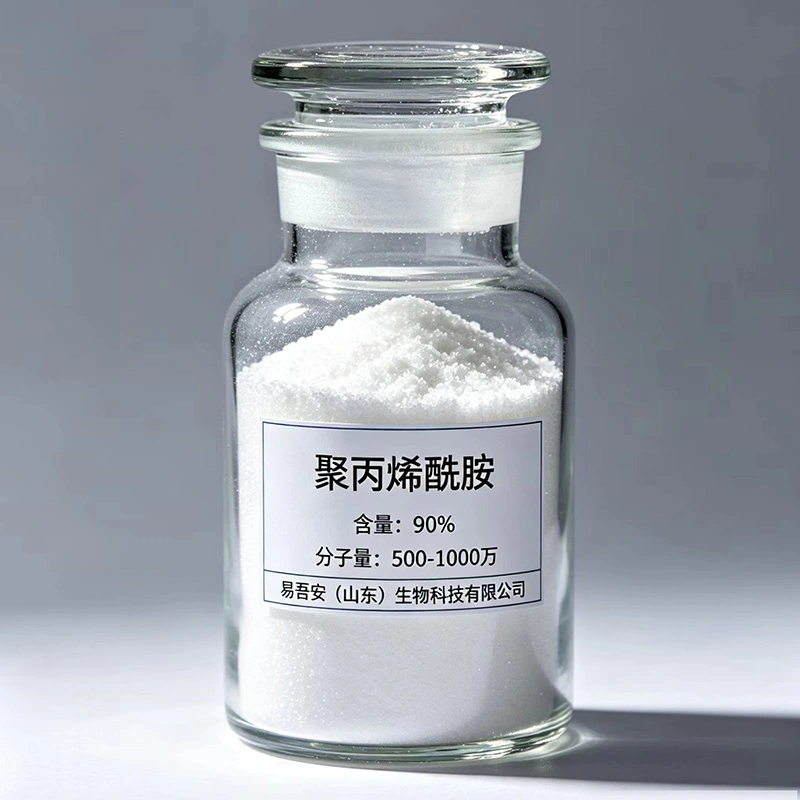
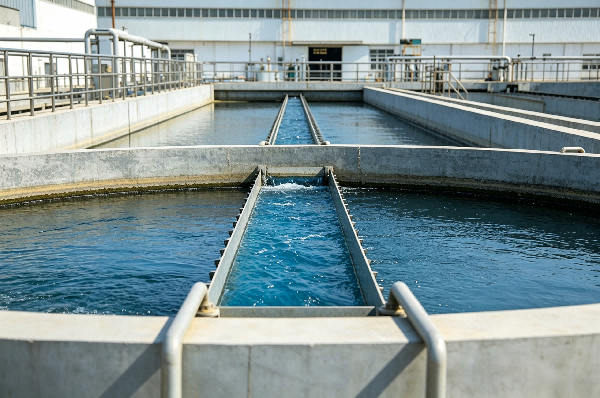
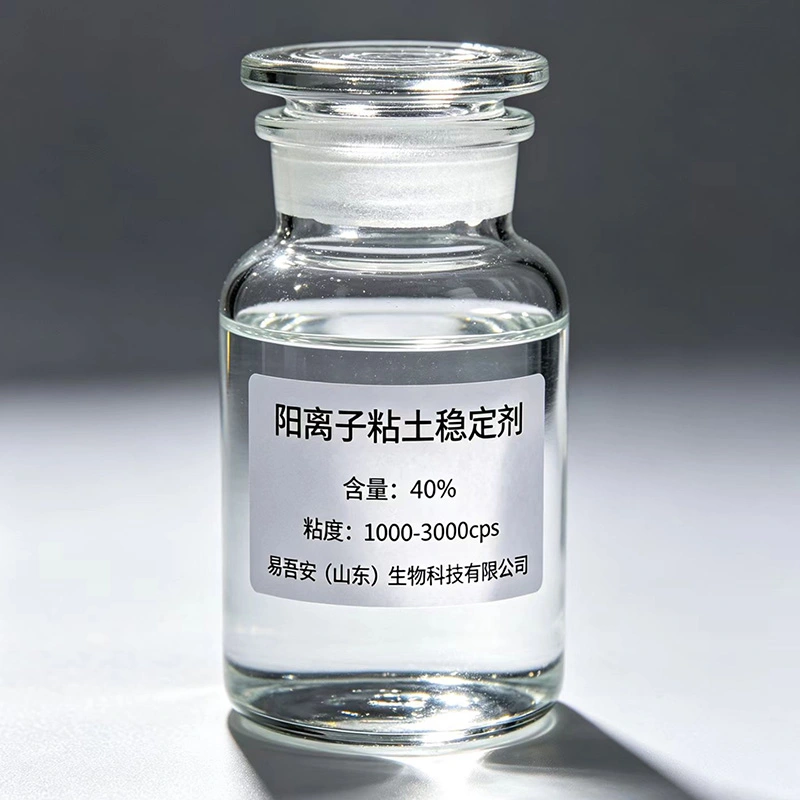
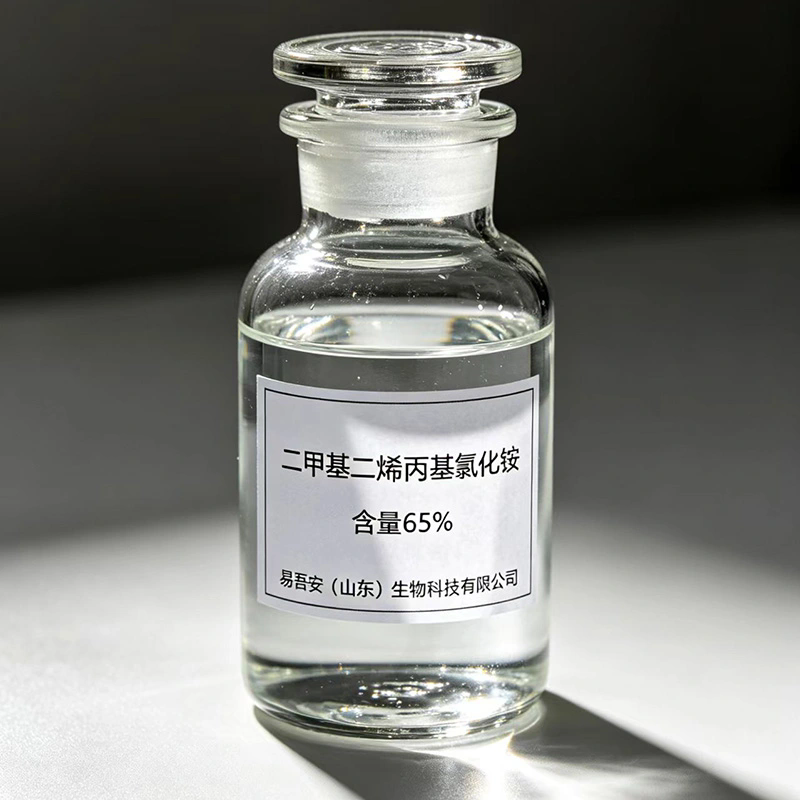
Polyacrylamide is a water-soluble polymer made from acrylamide monomers. It stands out for excellent flocculation and thickening performance. It is widely used for municipal and industrial wastewater treatment, pulp and paper production, mineral processing, coal washing and oilfield services. It gathers tiny suspended particles, boosts solid-liquid separation and delivers better sludge dewatering results.
Its working performance is affected by molecular weight, ionic type, water quality, pH value and dosage.
Four Main Types of Polyacrylamide
Based on ionic features, Polyacrylamide falls into four groups: cationic, anionic, nonionic and amphoteric. Each type serves unique industrial needs.
Cationic Polyacrylamide
This grade carries positive functional groups. It works best for systems with negatively charged particles and organic solids.
Main applications
Municipal & industrial sludge dewatering
Wastewater from textile dyeing and food production
Industrial sludge conditioning
Retention and drainage aid for papermaking
Key selection factors
Molecular weight, cationic charge density and sludge properties.
Anionic Polyacrylamide
Anionic Polyacrylamide has negative functional groups. It speeds up flocculation and sedimentation of mineral particles and inorganic suspended solids.
Main applications
Mine tailings and mineral processing wastewater
Coal washing and sand washing water treatment
Clarification of high-turbidity water
Papermaking retention and drainage
Oilfield uses such as enhanced oil recovery and drilling fluids
Key selection factors
Molecular weight, hydrolysis degree, charge density and water quality.
Nonionic Polyacrylamide
Nonionic Polyacrylamide has nearly no ionic charge. It fits scenarios where ionic reactions need to be kept low.
Main applications
Acidic wastewater treatment
Complex industrial wastewater
Textile warp sizing
Soil stabilization and erosion prevention
Selected mineral processing projects
Key selection factors
Molecular weight, solubility, solution viscosity and process requirements.
Amphoteric Polyacrylamide
Amphoteric Polyacrylamide contains both positive and negative functional groups in one polymer chain. It is ideal for complicated treatment systems with changing particle charges and water conditions.
Main applications
Special sludge conditioning
Hard-to-treat industrial wastewater
Production lines needing custom polymer charge properties
Key selection factors
Ratio of cationic and anionic groups, molecular weight, pH and working conditions.
How to Pick Suitable Polyacrylamide
Choosing the right Polyacrylamide grade helps raise treatment efficiency and cut chemical costs. You need to evaluate these points:
1.Water features: suspended solids, particle size and surface charge
2.Working environment: pH, temperature and dissolved salt content
3.Treatment goals: water clarification, sludge dewatering, retention aid or solid-liquid separation
4.Product specs: ionic type, molecular weight, charge density and hydrolysis degree
5.Lab testing: jar tests to confirm the best polymer type and dosage
Correct selection and dosing stabilize your whole treatment process.
Conclusion
Polyacrylamide is a multi-purpose industrial polymer widely applied in wastewater treatment, papermaking, mineral processing and oilfields.
Knowing the differences among cationic, anionic, nonionic and amphoteric Polyacrylamide helps plant operators match products to their process. With proper selection, lab testing and dosage control, Polyacrylamide improves flocculation and solid-liquid separation for smoother, more efficient industrial operations.
We use cookies to offer you a better browsing experience, analyze site traffic and personalize content. By using this site, you agree to our use of cookies. Privacy Policy