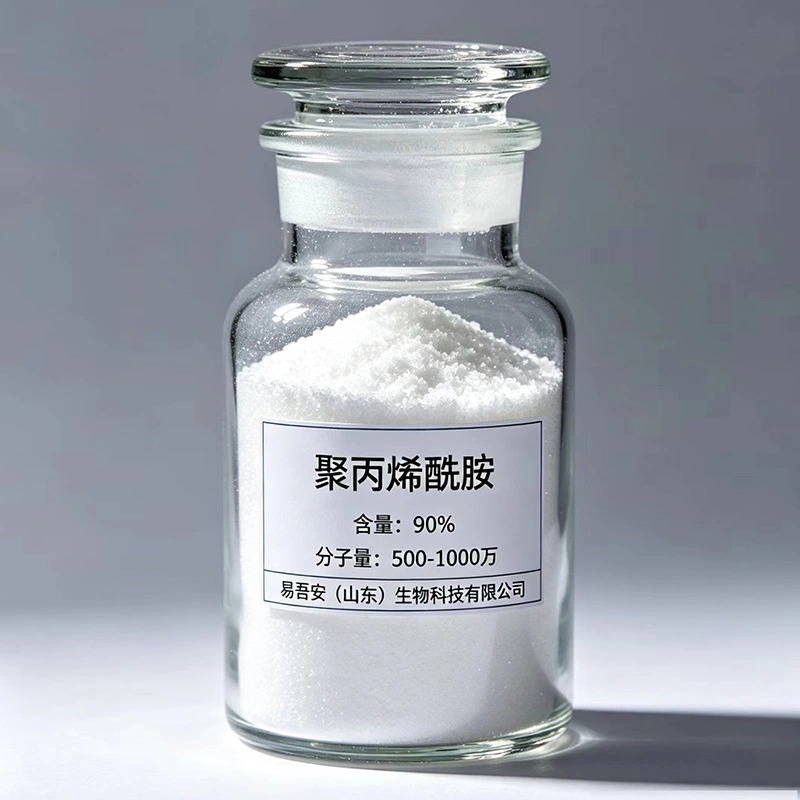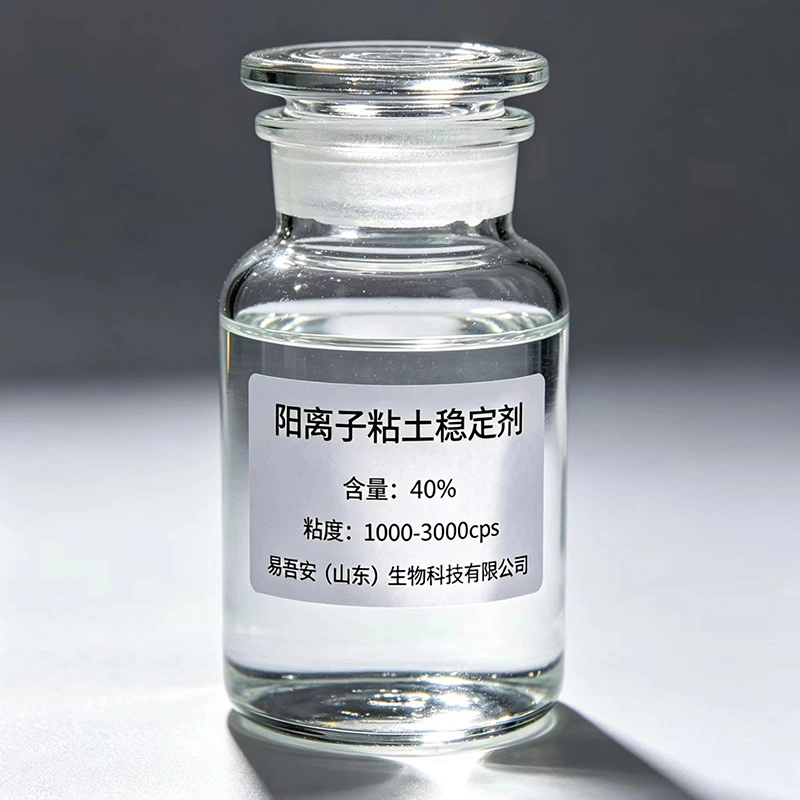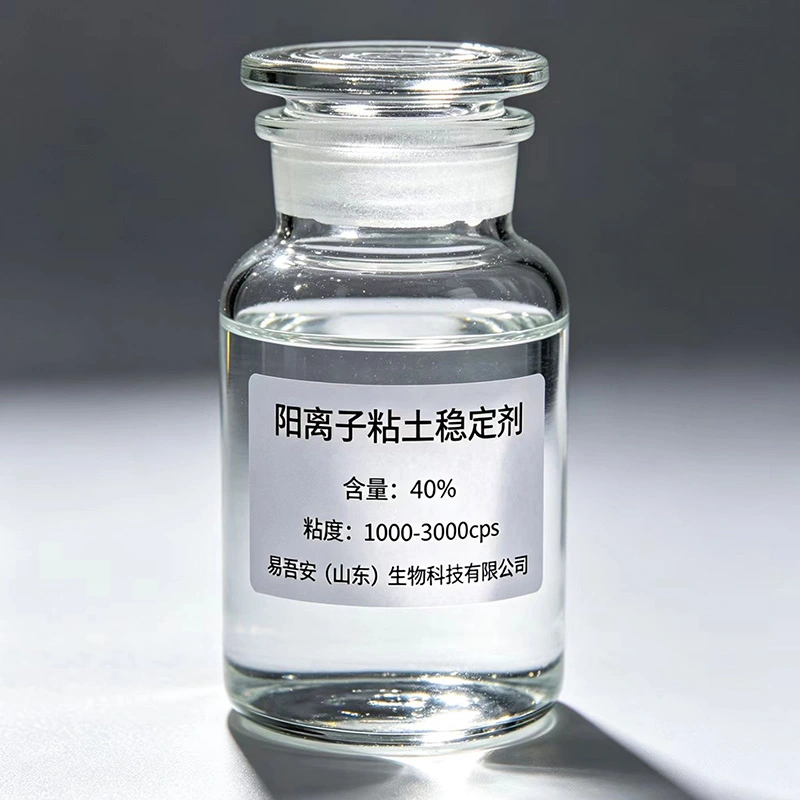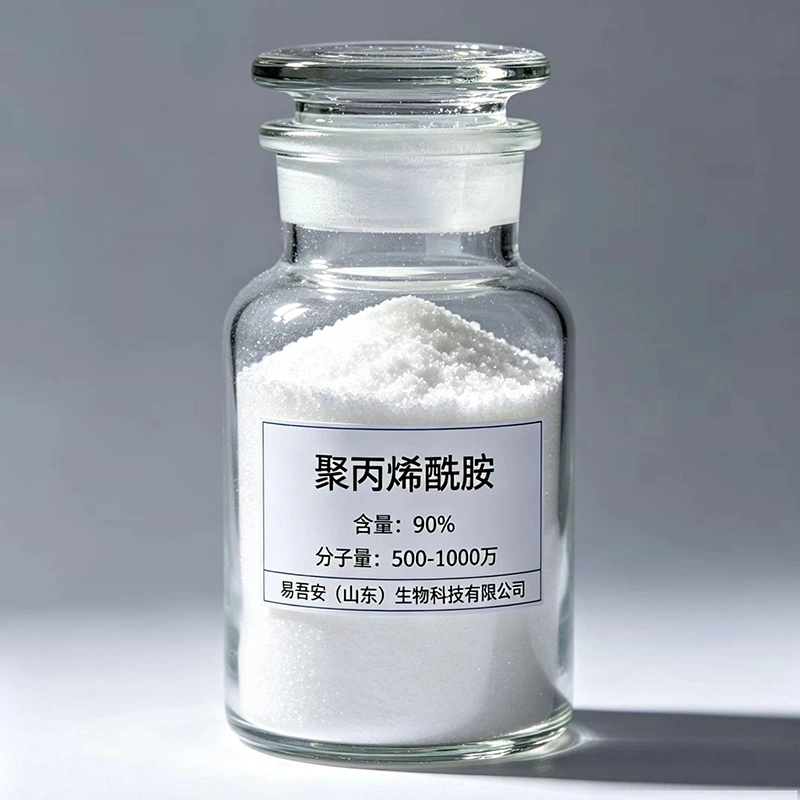
We offer a comprehensive portfolio including DMDAAC, PDMDAAC (liquid and exclusive bead/powder forms), and Polyacrylamide (PAM) series, with an annual production capacity of over 50,000 tons to meet diverse industrial needs.
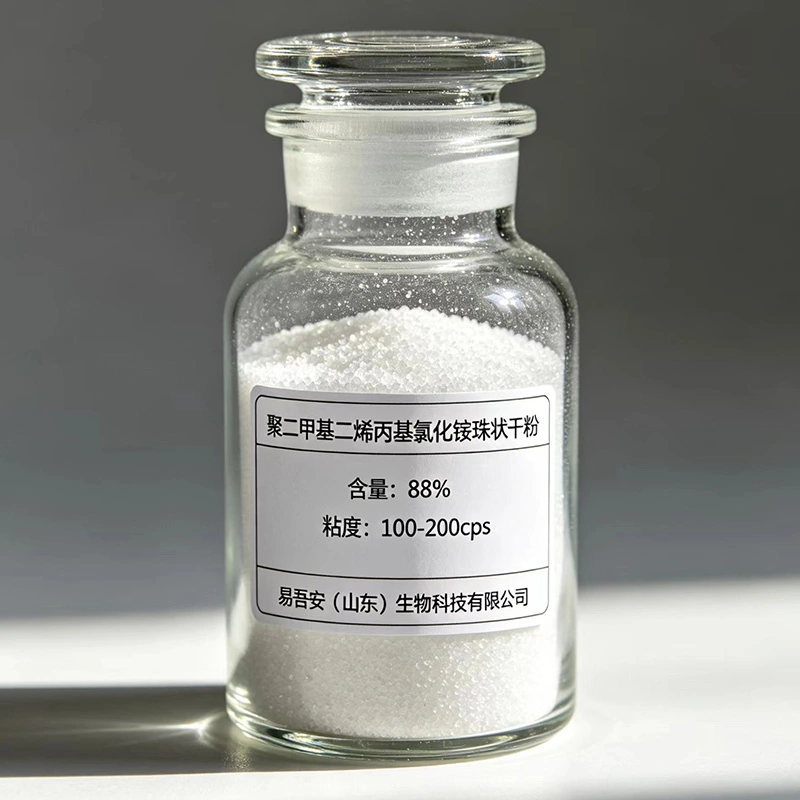
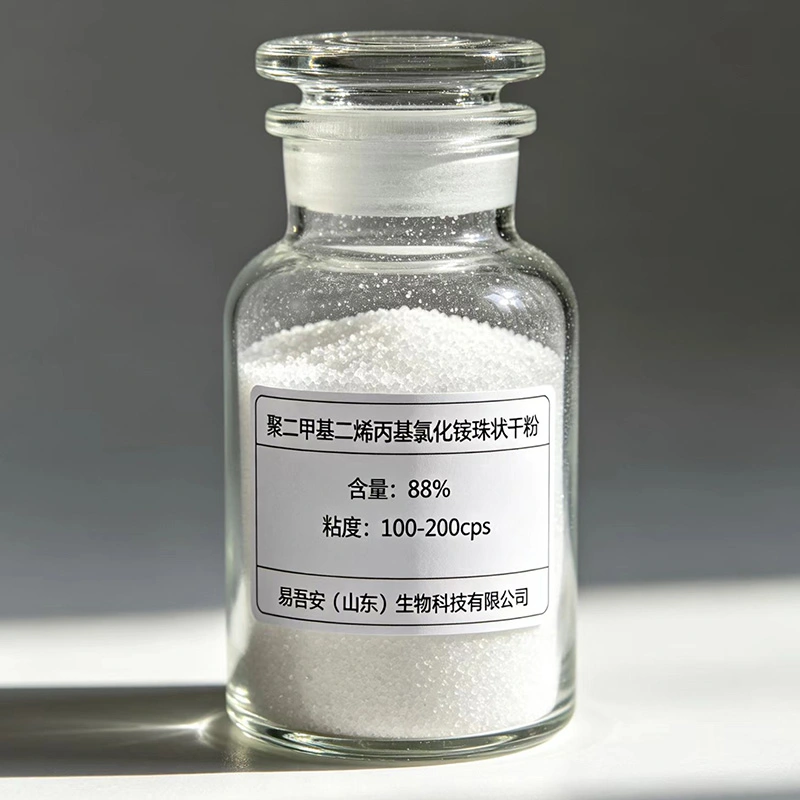
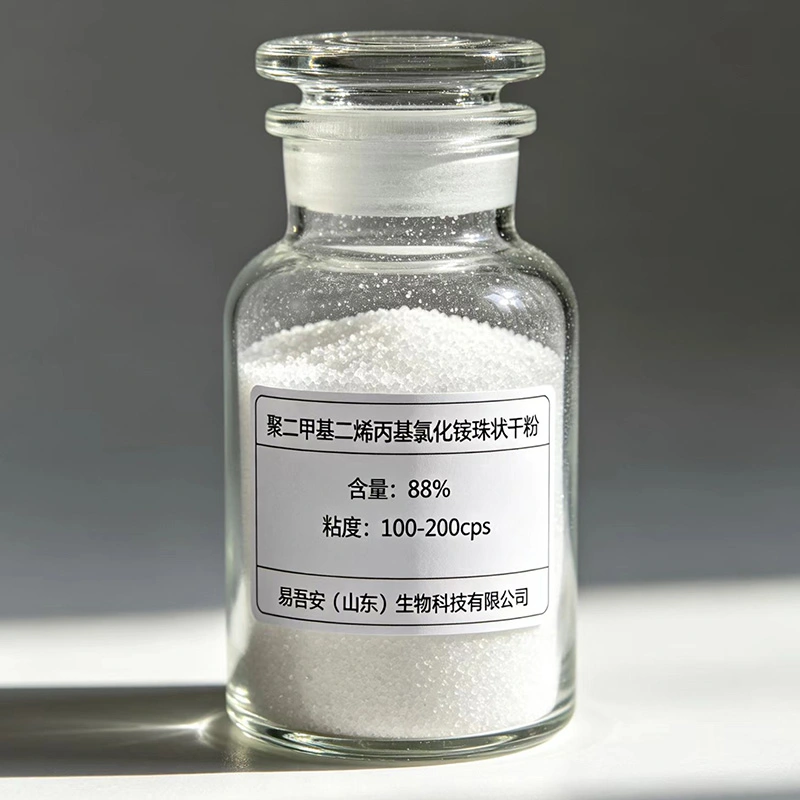
PolyDADMAC Powder is a high-solids, free-flowing solid quaternary ammonium cationic polymer. Unlike conventional liquid or bead-form products on the market, this product is mass-produced and delivered as a dry powder, offering a highly concentrated active ingredient content.
Leveraging a linear polymer structure and high-density quaternary ammonium cationic groups, it purifies water through the dual mechanisms of charge neutralization and adsorption bridging. It is compatible with complex water qualities across a pH range of 4.0--10.0 and features chlorine resistance, non-toxicity, non-flammability, and stable performance.
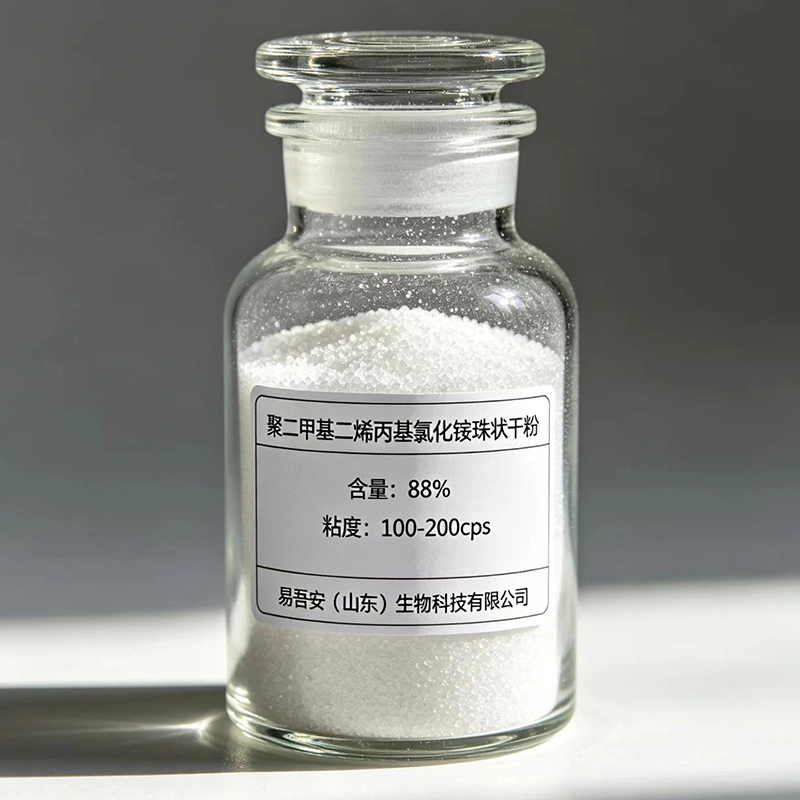
1. Key Physical Characteristics of the Powder
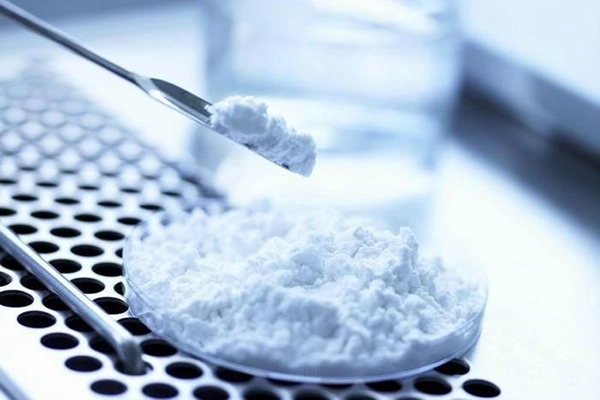
PolyDADMAC Powder appears as a white to pale yellow, free-flowing dry powder that is free of clumps and impurities, with uniform particle fineness and excellent flowability. Unlike viscous liquids or granular beads, the dry powder form offers higher purity and extremely low moisture content. Physically, it eliminates issues such as the loss of efficacy due to dilution (common in liquids) or uneven particle size (common in beads), thereby ensuring greater raw material purity.
2. Basic Physicochemical Stability
The product boasts excellent water solubility; it dissolves rapidly and completely and disperses evenly in water without leaving precipitates or clumps. It is safe, non-toxic, and non-flammable. It remains effective across a wide pH range and is insensitive to pH fluctuations. Additionally, it exhibits excellent chlorine resistance, making it suitable for treating process water containing chlorine, and offers high operational adaptability and tolerance.
1 Ultra-High Solids Concentration
The PolyDADMAC powder maintains a stable solids content of ≥88%--90%, far exceeding the 20%--50% active content standard of conventional liquid products. For the same weight of product, the dry powder contains 2--4 times the active ingredients of the liquid form, resulting in higher dosing efficiency and lower consumption under identical water treatment conditions—thereby improving quality and reducing costs at the raw material level.
2 Robust Performance Stability
The molecular chains feature a high density of quaternary ammonium cationic groups, ensuring stable charge characteristics without loss of activity. Utilizing a dual mechanism of charge neutralization and adsorption bridging, the product rapidly captures suspended particles, colloidal impurities, and organic pollutants. It remains effective across a wide pH range (4.0--10.0) and in environments containing residual chlorine, avoiding flocculation failure caused by water quality fluctuations or chlorine residues.
3 Extended Shelf Life
The dry powder form has extremely low moisture content and stable chemical properties, completely avoiding the drawbacks associated with liquid products—such as thickening at low temperatures, degradation at high temperatures, and loss of activity during long-term storage. It can be stored for extended periods under proper dry, sealed conditions without quality fluctuations, caking, or spoilage, making it ideal for seasonal stockpiling, price-locking inventory, and long-distance logistics.
4 Flexible Process Adaptability
Unlike liquid products, which are limited by fixed concentrations, dry powder products allow for the flexible preparation of solutions at varying concentrations based on specific site conditions, water quality, and production requirements. They are suitable for both high-precision, refined water treatment and high-volume, bulk pretreatment, offering far greater process adaptability than traditional product forms.
With its high charge density, efficient flocculation, and resilience against complex water conditions, PolyDADMAC powder effectively addresses key challenges in industrial wastewater treatment—such as turbidity, difficult decolorization, high chemical dosage requirements, and unstable effluent quality—delivering significant practical value.
1 Efficient Colloidal Destabilization for Rapid Turbidity Reduction and Water Clarification
The high-density cationic groups rapidly neutralize negatively charged colloids in the water and eliminate electrostatic repulsion between particles. This promotes the aggregation and settling of fine suspended impurities, quickly reducing suspended solids (SS) and turbidity. It resolves issues with turbid effluent and poor light transmission, significantly enhancing the treatment efficiency of sedimentation tanks.
2 High-Efficiency Decolorization of Industrial Wastewater for Compliant Discharge
Designed for high-chroma wastewater from industries such as textile dyeing, chemicals, and papermaking, this product precisely adsorbs organic chromophores and rapidly achieves flocculation and decolorization. It eliminates the need for multiple auxiliary agents, simplifies the chemical treatment system, and ensures consistent compliance with discharge standards regarding color.
3 Compatibility with Complex, Chlorine-Containing Wastewater
Leveraging superior chlorine resistance, it is suitable for treating chlorinated wastewater (post-disinfection) and chlorine-containing process wastewater from chemical plants. The agent remains active despite the presence of residual chlorine, delivering sustained flocculation and purification to solve complex water treatment challenges.
4 Cost and Volume Reduction; Optimized O&M
As a high-solid-content dry powder, it requires lower dosage and generates less sludge, effectively reducing both sludge disposal and chemical procurement costs. It stabilizes effluent quality and alleviates the operational load on downstream filtration and biochemical equipment, comprehensively optimizing the water treatment plant's O&M costs.
| Comparison Criteria | Liquid PolyDADMAC | PolyDADMAC Powder |
| Solid Content | 20%--50% | ≥88%--90% |
| Shipping Costs (based on active ingredients) | High | Only 1/3--1/2 the volume of the liquid form |
| Storage Space | Large (high water content) | Compact (concentrated active ingredient) |
| Shelf Life | Limited (temperature-sensitive) | Extremely long shelf life, stable in storage |
| Method of Use | Ready-to-use | Must be dissolved before use |
| Best Use Cases | Continuous, large-scale, automated dosing | Long-distance transport, long-term storage, remote areas, small and medium-sized factories |
1 Active Ingredient Content and Procurement Costs
The dry powder version features a solid content of 88%--90% with no excess water weight, resulting in extremely low logistics costs per unit of active agent—ideal for large-volume, long-distance procurement. In contrast, the liquid version contains only 20%--50% active ingredients and a high water content; delivering the same amount of active agent requires larger shipping volumes and incurs high freight costs, making it suitable only for local, short-distance, "just-in-time" use.
2 Storage Stability and Shelf Life
The dry powder version offers stable performance and temperature resilience, allowing for stable storage between 0°C and 40°C without risks of thickening, deterioration, or loss of efficacy, and offers flexible inventory management. Liquid products are highly temperature-sensitive—prone to thickening in cold conditions and activity loss in heat—resulting in a short shelf life that makes long-term stockpiling unsuitable.
3 Process Flexibility
The dry powder version allows for customized concentration preparation, making it suitable for small-to-medium-sized plants or remote projects lacking automated dosing systems, and adaptable to both precision treatment and high-volume processing needs. Liquid products have fixed concentrations and are compatible only with automated, continuous dosing production lines, limiting their process adaptability.
4 Differences in Operational Suitability
The dry powder version requires pre-dissolution and mixing, making it suitable for large-scale, stable, and routine water treatment projects. The liquid version is ready to use upon opening—requiring no dissolution—making it ideal for temporary emergency water treatment and short-term projects; the operational scenarios for these two forms are entirely complementary.
1 Municipal and Industrial Wastewater Treatment
Serving as a core cationic flocculant, it is used for the coagulation, sedimentation, and advanced purification of municipal sewage, as well as wastewater from chemical, papermaking, and textile printing/dyeing industries. It stabilizes and optimizes effluent quality, ensuring compliance with environmental standards.
2 Mining Slurry Dewatering
Suitable for solid-liquid separation of various mineral slurries—including coal, sand and gravel, natural alkali, and titanium dioxide—it accelerates the flocculation and sedimentation of impurities. This enhances slurry dewatering efficiency and tailings recovery rates while reducing energy consumption in mining water treatment.
3 Textile Printing and Dyeing
It serves as a key raw material for eco-friendly, formaldehyde-free fixing agents, replacing traditional formaldehyde-containing auxiliaries. It improves fabric color fastness without leaving formaldehyde residues, meeting environmental compliance standards for textile exports to Europe and the US.
4 Papermaking and Fine Processing
It functions as an AKD sizing promoter, optimizing sizing effects and sheet formation quality. Additionally, it can be used to formulate conductive coatings for conductive paper, imparting stable electrical conductivity to meet the production requirements of specialty papers.
5 Daily Chemicals and Fine Chemicals
Characterized by safety, low irritation, and excellent wetting and antistatic properties, it serves as a conditioning agent, wetting agent, emollient, and antistatic agent in personal care products, making it suitable for high-end daily chemical formulations.
1 Core Ex-Factory Quality Standards
Appearance: Uniform, free-flowing powder ranging from white to pale yellow; free of lumps and visible impurities;
Solid Content: ≥88%--90%, with batch-to-batch variation strictly minimized;
Charge Density: Customizable (50%--100%); full range of molecular weights controllable;
Performance Standards: Fully water-soluble, gel-free, chlorine-stable, and effective across a pH range of 4.0--10.0;
Safety Standards: Non-toxic, non-flammable, and non-corrosive; compliant with export standards for non-hazardous goods.
2 Standardized Export Packaging Specifications
Standard Option: 25kg waterproof-lined woven bag; highly sealed, abrasion-resistant, and drop-resistant; suitable for long-distance ocean transport;
Lightweight Option: 20kg waterproof paper bag; suitable for small-batch sampling and fractional orders;
All packaging features an internal waterproof liner to prevent moisture and leakage; private labeling and custom packaging specifications are available upon request.
3 Standardized Storage and Moisture-Proofing Guidelines
PolyDADMAC powder is hygroscopic; it must be stored in a sealed container within a cool, dry, and well-ventilated warehouse at temperatures between 0°C and 40°C. Containers must be resealed promptly after use to prevent clumping or loss of efficacy due to moisture absorption. Keep away from strong oxidizing agents at all times to avoid chemical reactions caused by mixed storage.
4 Transport and Delivery Information
PolyDADMAC powder is classified as non-hazardous; there are no special restrictions for sea or land transport, and cross-border customs clearance is efficient. Ample factory stock is available to support small-batch sampling, large-volume recurring orders, and long-term fixed-price partnerships. Each batch is accompanied by a comprehensive quality inspection report and ex-factory documentation to meet export acceptance and compliance requirements.
Address
Wanhong Plaza, Jinan City, Shandong Province, China
Tel