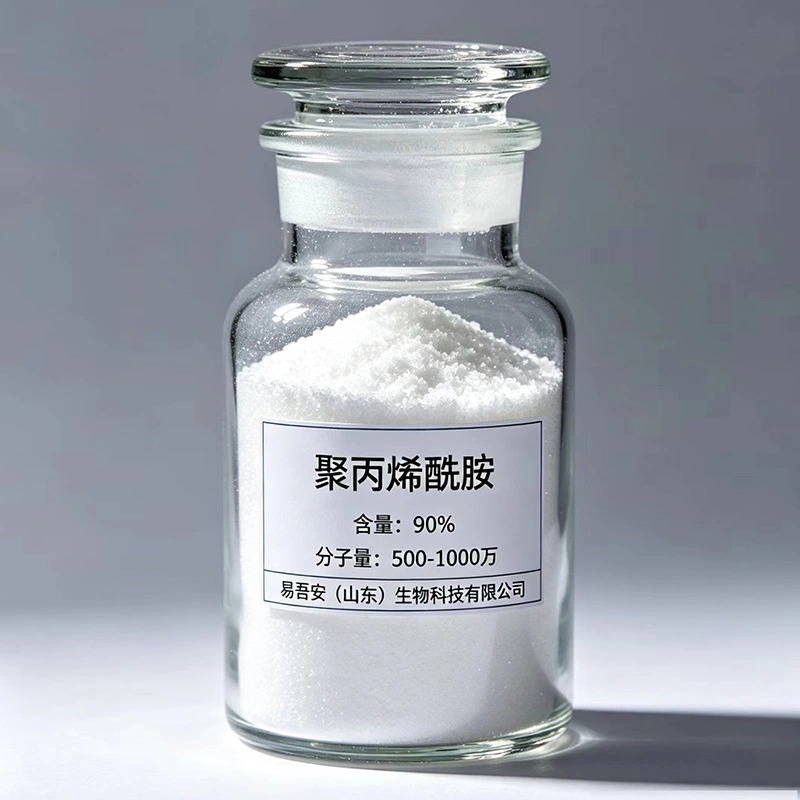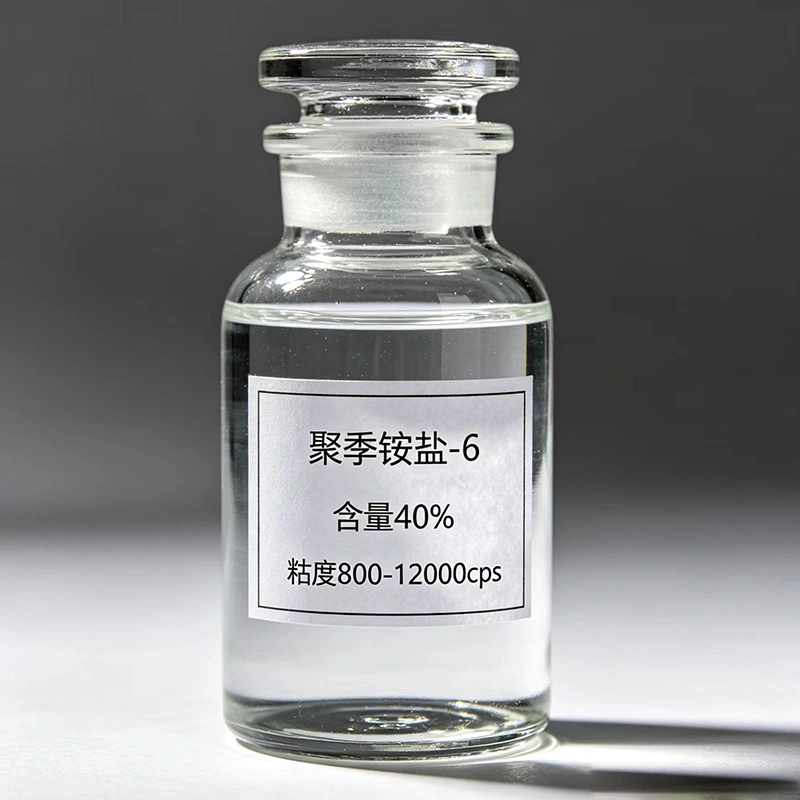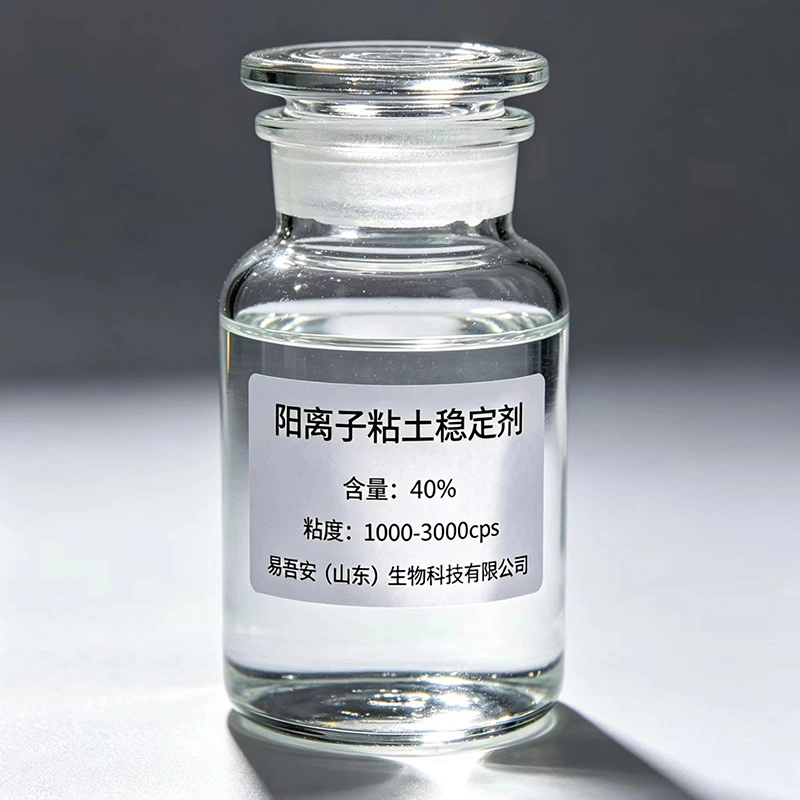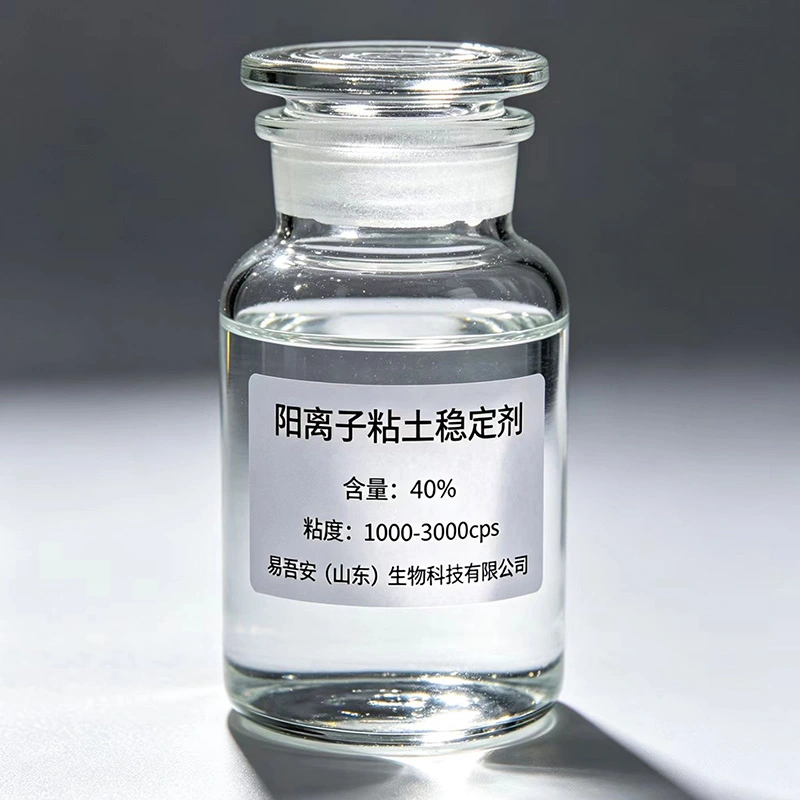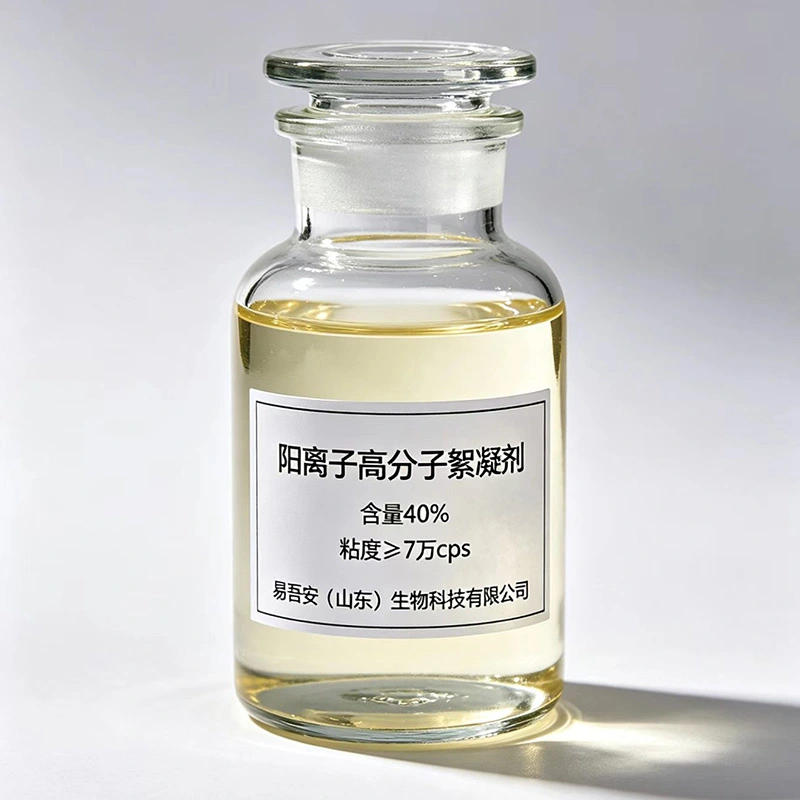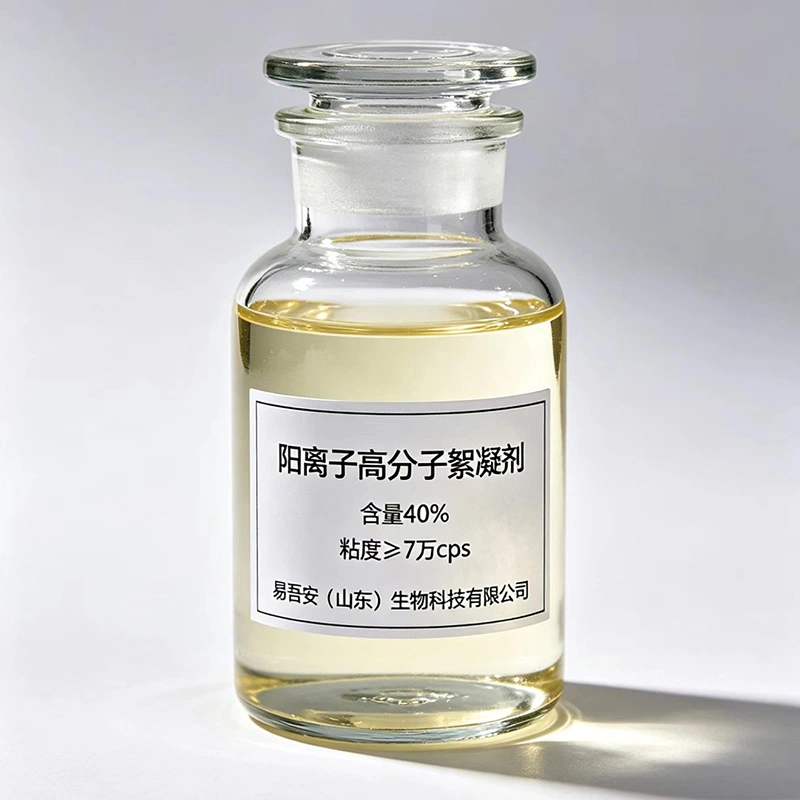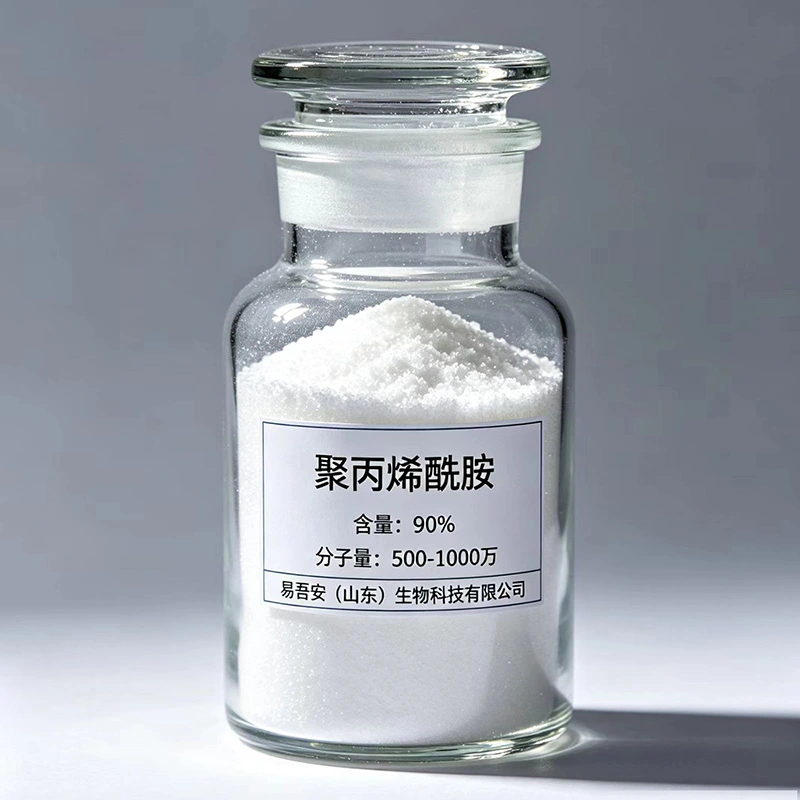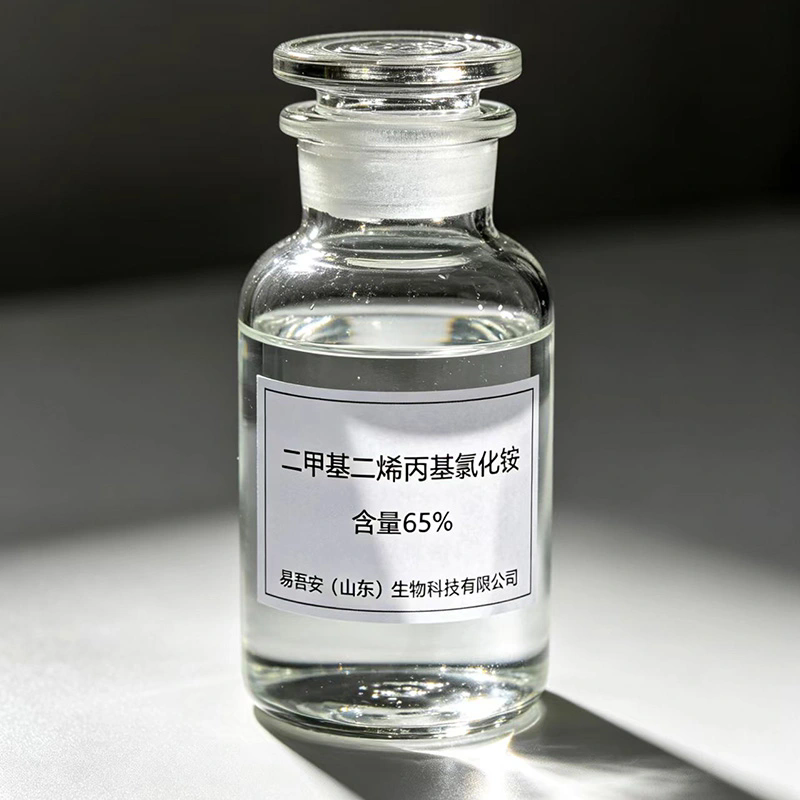
We offer a comprehensive portfolio including DMDAAC, PDMDAAC (liquid and exclusive bead/powder forms), and Polyacrylamide (PAM) series, with an annual production capacity of over 50,000 tons to meet diverse industrial needs.
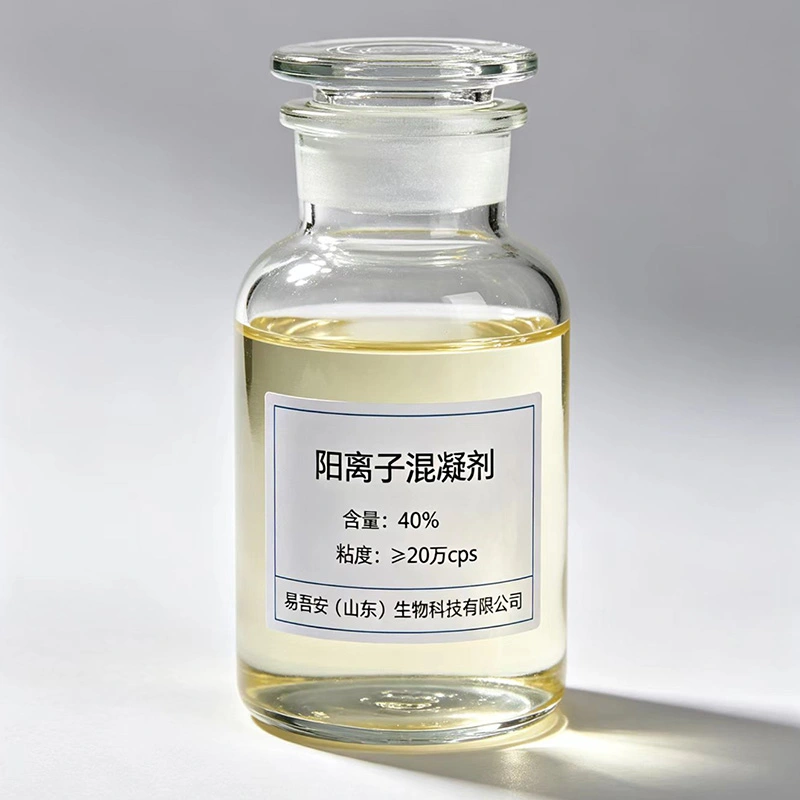
This liquid organic cationic water treatment coagulant is a polymeric polyelectrolyte based on polydiallyldimethylammonium chloride (polyDADMAC). It is one of the few synthetic cationic quaternary ammonium polymers on the market certified by the US Public Health Service (USPHS) for drinking water purification.
Unlike traditional inorganic coagulants, this product operates through dual mechanisms—charge neutralization and bridging adsorption—delivering multiple functions including flocculation and sedimentation, decolorization, algae removal, organic matter elimination, and bacterial/sludge control.
It offers significant operational advantages: low dosage, minimal sludge production, no increase in total dissolved solids (TDS), minimal pH fluctuation, and excellent stability in the presence of chlorine. It can be used alone or synergistically with polyaluminum chloride (PAC).
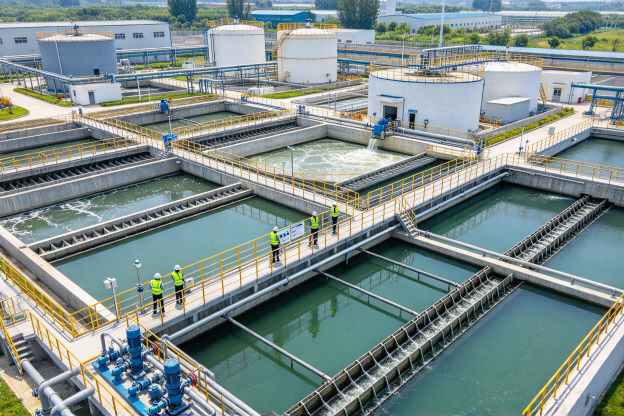
Highly adaptable to complex water conditions—such as low-temperature/low-turbidity water, high-turbidity water during flood seasons, and oily wastewater—it serves as a key chemical agent for cost reduction and efficiency improvement in municipal and industrial water treatment projects.
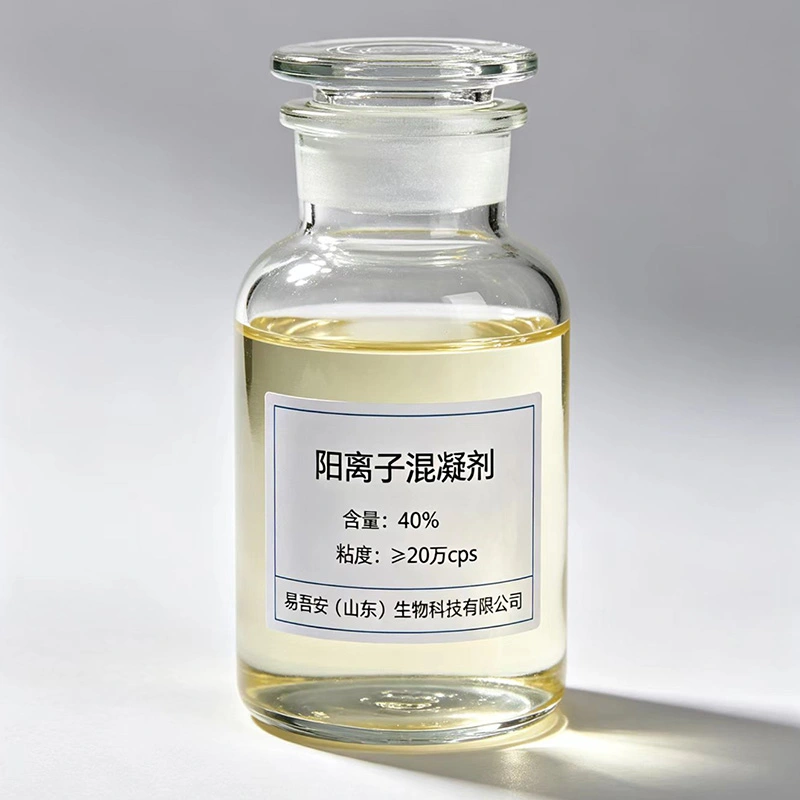
| Code | 303 | |
| Appearance | Colorless to slight yellow viscose liquid | |
| Solid content, % | 40 ±1 | |
| PH | 5.0-7.0 | |
| Viscosity(25℃), cps | 8000-12000 | |
1.1 Basic Product Definition and Compliance
This water treatment coagulant is a Model 303 liquid cationic polymer coagulant (CAS No. 26062-79-3). It is a strongly cationic, water-soluble organic polyelectrolyte appearing as a colorless to pale yellow viscous liquid. Certified by the USPHS as a compliant drinking-water-grade treatment agent, it is one of the few synthetic quaternary ammonium polymers suitable for direct application in drinking water purification. The product is safe, non-toxic, minimally corrosive, and causes no secondary pollution, making it suitable for both potable water and industrial applications.
1.2 Key Physicochemical Parameters
The product has a specific gravity of 1.04 g/cm³, a freezing point of -2.8°C, and a thermal decomposition range of 280--300°C, demonstrating excellent thermal stability at high temperatures. It is miscible with water in all proportions at room temperature, non-flammable, and hydrolytically stable; it does not gel during long-term storage and maintains stable performance across a broad pH range (4.0--10.0). Additionally, it exhibits excellent chlorine resistance, making it compatible with processes involving sequential chlorination disinfection.
1.3 Core Coagulation Mechanism
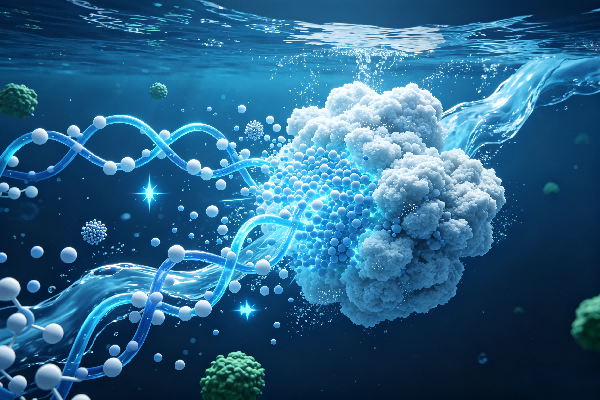
This product utilizes high-density cationic groups to achieve a dual water-purification mechanism: first, charge neutralization—rapidly neutralizing the negative surface charges of suspended colloids and organic matter to eliminate electrostatic repulsion and destabilize dispersed impurities; second, bridging and adsorption—using long molecular chains to capture and aggregate micro-particles into dense, settleable flocs, thereby simultaneously achieving sedimentation, decolorization, algae removal, and the elimination of organic pollutants.
2.1 Colloid Destabilization and Rapid Flocculation
It targets the fine colloidal particles and suspended impurities that remain stable in water. Through rapid charge neutralization using high-density cationic charges, it disrupts the colloidal stability system, causing micro-particles—which otherwise would not settle naturally—to aggregate quickly. This fundamentally resolves issues such as turbidity and poor light transmission, significantly enhancing the treatment efficiency of sedimentation tanks.
2.2 Decolorization, Algae Removal, and Organic Pollutant Elimination
It possesses a strong capacity to adsorb and capture dissolved organic chromophores, algal microorganisms, and trace organic impurities. It rapidly reduces water color and inhibits algal proliferation, effectively addressing common water quality issues such as excessive color and algae levels in surface water, flood-season river water, and reclaimed water.
2.3 Bacteriostasis and Slime Control
This water treatment coagulant possesses inherent bio-inhibitory properties, effectively killing various bacteria and microorganisms and inhibiting their reproduction. Acting as a high-efficiency slime control agent, it prevents slime accumulation and the proliferation of bacteria and algae in pipelines, tanks, and circulating water systems, ensuring the long-term clean and stable operation of circulating cooling water systems.
2.4 Synergistic Efficiency Enhancement Mechanism
It can be perfectly combined with inorganic coagulants such as Polyaluminum Chloride (PAC). The synergy between organic and inorganic agents compensates for the limitations of using a single agent, further increasing floc density and accelerating sedimentation rates, making it suitable for the advanced purification of complex, hard-to-treat water.
3.1 Municipal Drinking Water Purification
Backed by USPHS drinking water safety certification, it can be directly used for raw water pre-treatment and advanced purification in waterworks. It effectively removes turbidity, color, algae, and natural organic matter while reducing residual aluminum levels in the effluent, thereby enhancing drinking water safety and meeting high standards for public water supply.
3.2 Industrial Circulating Cooling Water System Maintenance
Used for treating industrial circulating cooling water and central air-conditioning circulating water, it continuously inhibits bacteria and algae and prevents slime adhesion on pipe walls. This avoids issues such as pipe clogging and reduced heat exchange efficiency, ensuring the long-term stable operation of circulating water systems and reducing the frequency of equipment maintenance.
3.3 Treatment of Complex and Difficult Industrial Wastewater
Suitable for various industrial wastewaters—including those from the chemical, light industry, printing and dyeing, and oilfield sectors—it efficiently treats oily wastewater, high-organic-load wastewater, and wastewater with fluctuating pH levels. It specifically removes inorganic toxins such as arsenic, phosphorus, and fluoride, solving problems where conventional agents fail to achieve thorough treatment or meet discharge standards.
3.4 Specialized Treatment for Unique Water Quality
It performs exceptionally well in low-temperature/low-turbidity water, high-turbidity river water during flood seasons, and in direct or contact filtration processes. It effectively resolves industry pain points such as the failure of traditional agents at low temperatures, excessive treatment loads for high-turbidity water, and frequent filtration clogging, making it ideal for handling seasonal water quality fluctuations.
4.1 Comparison of Dosage and Treatment Efficiency
Traditional inorganic coagulants like PAC and PFS require high dosages and suffer from significant reagent loss. As an organic polymer coagulant, this product achieves excellent purification results with very low dosages; under identical water quality conditions, reagent consumption is drastically reduced, and purification efficiency far exceeds that of conventional inorganic agents.
4.2 Comparison of Sludge Generation and Solid Waste Costs
Inorganic coagulants generate large quantities of inorganic sludge, resulting in high disposal costs. In contrast, this product generates minimal sludge—reducing sludge volume by up to 50%—thereby significantly lowering the comprehensive O&M costs associated with subsequent sludge transport, filter pressing, and disposal.
4.3 Comparison of Water Quality Impact and Secondary Pollution
Inorganic agents based on aluminum or iron salts deplete water alkalinity, causing significant fluctuations in pH and conductivity while increasing Total Dissolved Solids (TDS) and posing risks of secondary pollution from residual metals. This product has negligible impact on pH and conductivity and does not increase TDS; it effectively reduces residual aluminum levels, ensuring superior water quality safety.
4.4 Comparison of Operational Adaptability and Stability
Inorganic agents have narrow effective pH ranges, lack chlorine tolerance, and lose efficacy at low temperatures. This product operates stably across a broad pH range (4.0--10.0), resists chlorine and other interferences, maintains consistent performance under both high and low-temperature conditions, and adapts well to complex, variable industrial water environments.
4.5 Comparison of Equipment Maintenance and Energy Consumption
This product delivers stable flocculation, optimizing downstream filtration processes by reducing filter backwash frequency. It lowers equipment energy consumption and wear, effectively extends the service life of water treatment equipment and piping systems, and offers superior long-term operational cost-effectiveness.
5.1 Precision Selection Criteria
For applications requiring drinking water purification, bacteriostasis and sludge control in circulating water, or high-standard effluent quality, the Model 303 drinking-water-grade organic coagulant is the preferred choice. This product can be used alone for conditions such as low-temperature/low-turbidity water, high-turbidity water during flood seasons, or complex oily wastewater; for standard industrial sewage, it can be combined with PAC to balance performance and cost.
5.2 Preliminary On-Site Bench-Scale Testing
Before full-scale dosing, bench-scale (beaker) tests must be conducted. Dosage concentrations should be adjusted based on raw water parameters—such as turbidity, COD, color, and pollutant levels—to determine the optimal dosage, mixing time, and reaction/settling time. This prevents reagent waste or suboptimal results caused by arbitrary dosing.
5.3 Standard Dosing Process
The stock solution or diluted reagent is dosed into the rapid mixing zone, ensuring rapid and uniform mixing with the water within 10--30 seconds. This is followed by a slow-speed flocculation zone to allow time for floc growth, and finally, the mixture enters a sedimentation tank for separation. No additional pH adjustment is required throughout the process, making operations simple.
5.4 Compatibility and Usage Precautions
It can be used synergistically with inorganic coagulants; however, separate dosing points are required to avoid direct mixing or reaction at the same location. Store and use away from strong oxidizing agents. It is recommended to use the diluted working solution within the same day to ensure stable reagent activity.
6.1 Standardized Export Supply Specifications
Standard packaging options include 50kg, 125kg, and 200kg PE drums, as well as 1000kg IBC totes. These options cater to various procurement needs, ranging from small sample orders and bulk project purchases to long-term engineering stock requirements. Customized packaging and private labeling services are also available.
6.2 Storage, Transport, and Shelf Life
This water treatment coagulant is classified as non-hazardous; there are no special restrictions for sea or land transport, and cross-border customs clearance is streamlined. It should be stored in a sealed container within a cool, dry, and well-ventilated warehouse, away from strong oxidizing agents. The shelf life is two years under standard storage conditions, ensuring stable performance for bulk stockpiling.
6.3 Factory-Direct Delivery Capability
Ewooan operates its own large-scale polymerization production lines. Model 303 (drinking water grade) coagulant is kept in stock, supporting continuous bulk order delivery and long-term strategic partnerships with price locking. Direct supply eliminates intermediary markups, ensuring stable and controllable delivery schedules.
6.4 One-Stop Water Treatment Project Solutions
We provide comprehensive solutions, including reagent selection, process commissioning, and cost optimization—for municipal water supply projects, industrial park wastewater treatment plants, circulating water systems, and mining water treatment projects. Services include free sample testing, on-site technical guidance, and after-sales technical support, helping clients rapidly implement improvements while enhancing quality and reducing costs.
Q1: Can this water treatment coagulant be used for drinking water treatment?
Yes. This product holds USPHS (U.S. Public Health Service) certification for drinking water compliance and is officially approved for drinking water purification. It is safe, non-toxic, and free of harmful residues, making it suitable for direct use in raw water purification and advanced treatment at waterworks.
Q2: Is the overall cost of use lower compared to traditional PAC?
The long-term overall cost is lower. Although the unit price is slightly higher than that of standard inorganic agents, the required dosage is lower, reducing procurement costs. Additionally, sludge production is cut by 50%, leading to significant savings in sludge disposal, equipment maintenance, and energy consumption (water and electricity), thereby optimizing overall project operational costs.
Q3: What water quality conditions and treatment processes is the product compatible with?
It is compatible with a wide pH range (4.0--10.0) and is resistant to chlorine, acids, alkalis, and temperature extremes. It suits various applications—including drinking water, circulating cooling water, industrial wastewater, low-temperature/low-turbidity water, high-turbidity water during flood seasons, and oily wastewater—and works with all mainstream processes such as direct filtration, contact filtration, and conventional coagulation-sedimentation.
Q4: Can it be used in combination with other water treatment chemicals?
Yes. It is highly compatible with inorganic coagulants like PAC. Combined use complements performance characteristics, increases floc density and settling efficiency, further improves effluent quality, and reduces total chemical consumption; this represents a mainstream, cost-effective, and high-efficiency formulation strategy.
Q5: Are there safety risks associated with storage and transport? What is the shelf life?
This product is non-flammable, non-toxic, and has low corrosivity; it is classified as non-hazardous, so there are no special restrictions on logistics or transport. Under standard sealed storage conditions (cool and dry), the shelf life is up to two years. Long-term storage results in no stratification, loss of efficacy, or gel formation, demonstrating excellent performance stability.
Address
Wanhong Plaza, Jinan City, Shandong Province, China
Tel