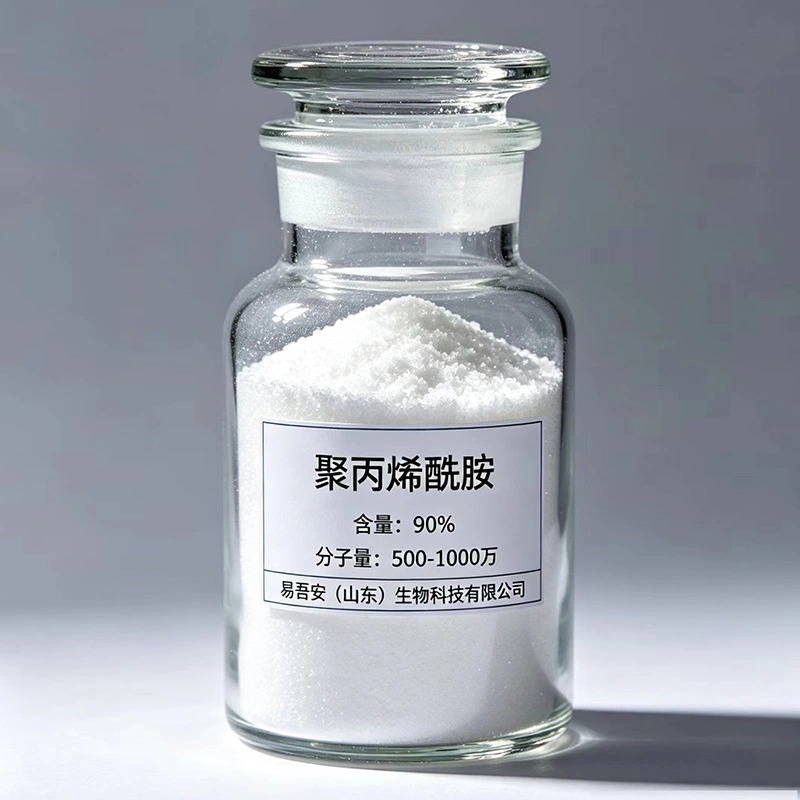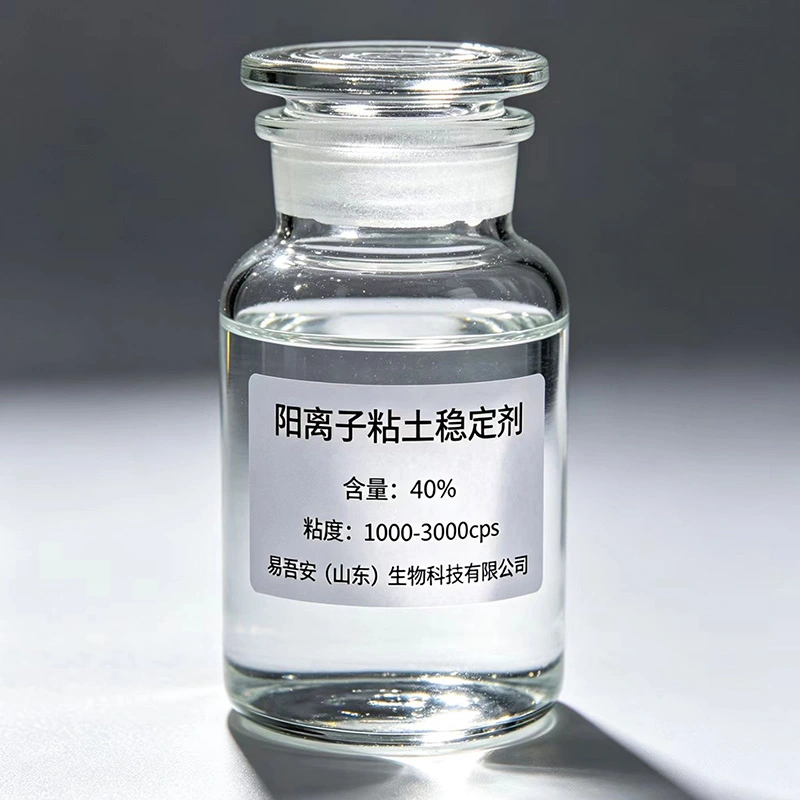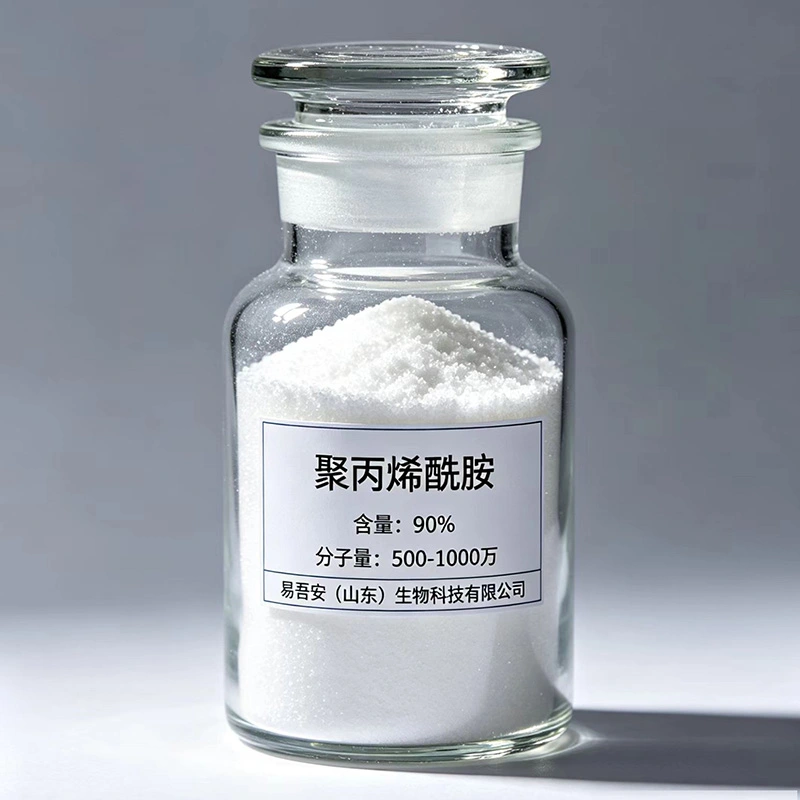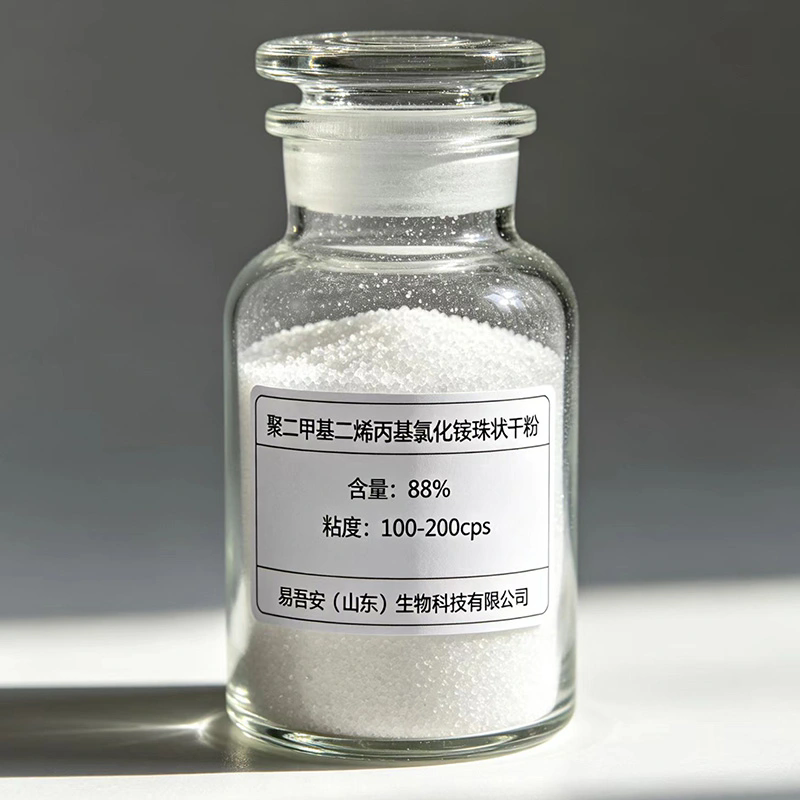
We offer a comprehensive portfolio including DMDAAC, PDMDAAC (liquid and exclusive bead/powder forms), and Polyacrylamide (PAM) series, with an annual production capacity of over 50,000 tons to meet diverse industrial needs.
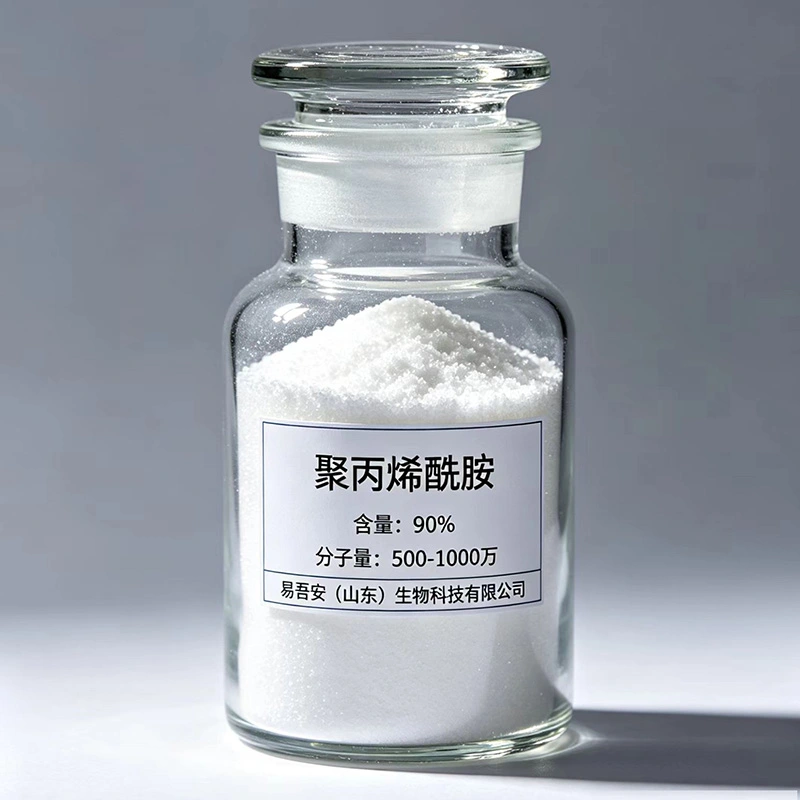
Polyacrylamide PAM Polymer for Water Treatment is a high-molecular-weight, water-soluble synthetic polymer produced by the polymerization of acrylamide monomers. It exhibits outstanding flocculation, thickening, drag reduction, and bridging properties. Depending on the ionic functionality, PAM is classified into four main types: anionic, cationic, nonionic, and amphoteric. Due to its versatile charge characteristics, PAM is an essential processing aid in wastewater treatment, enhanced oil recovery, papermaking, mining, and many industrial solid-liquid separation processes.
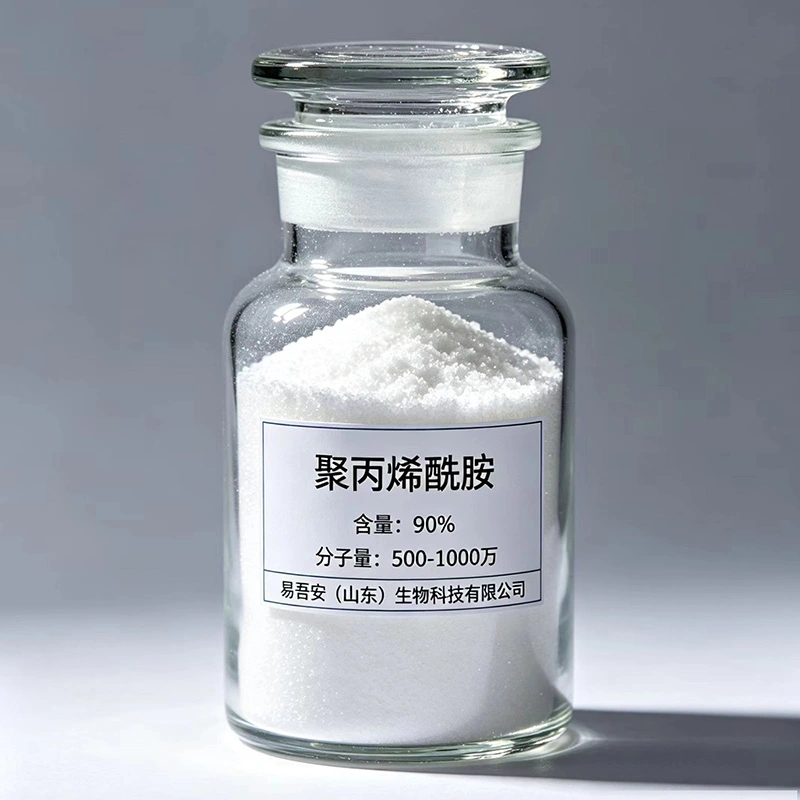
Types available: Anionic / Cationic / Nonionic / Amphoteric
Appearance: White free-flowing granules or powder
Molecular weight range: 5 -- 25 million Daltons (customizable)
Ionic degree (typical): Anionic: 10--40% | Cationic: 5--60% | Nonionic: <5% | Amphoteric: 5--50%
Bulk density: 0.70 -- 0.85 g/cm³
Residual acrylamide monomer: ≤ 0.05% (high purity available)
Effective pH range: 4 -- 11 (optimal performance depends on ionic type)
Solid content: ≥ 88%
Advantage 1: Highly Efficient Flocculation, Significantly Improving Treatment Efficiency
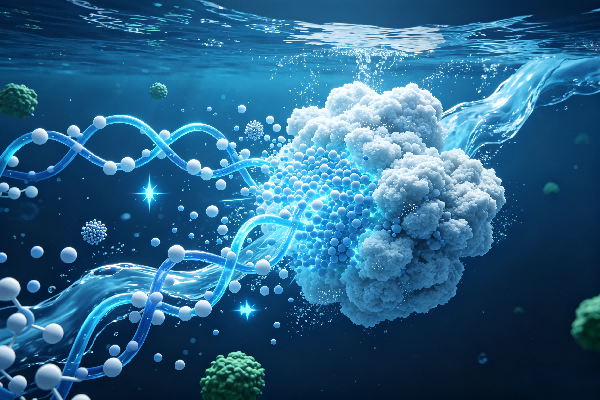
Clear Mechanism: The active groups on the PAM molecular chains rapidly aggregate fine suspended particles in water into large, dense flocs through "adsorption bridging" and "charge neutralization."
Significant Results: Settling occurs extremely rapidly, and the product exhibits strong adsorption capacity for organic matter, heavy metal complexes, and other substances, increasing the removal rates of COD and heavy metal ions by 15%--30%.
Advantage 2: Extremely Low Dosage, Outstanding Overall Cost Efficiency
Extremely Low Dosage: Its flocculation capacity far exceeds that of traditional inorganic flocculants (such as polyaluminum chloride and aluminum sulfate), with the dosage per unit of wastewater treatment being only 1/10 to 1/5 of that required by the latter. In some raw water treatment applications, the dosage can be as low as 1/50 of that required by inorganic flocculants.
Low Overall Cost: Lower dosage translates to reduced costs for chemical procurement, transportation, and storage.
Advantage 3: Broad-Spectrum Applicability, Precisely Tailored to Various Water Qualities
PAM is available in a variety of grades, allowing for precise selection based on the characteristics of the wastewater:
Anionic: Suitable for alkaline wastewater with high levels of suspended solids, such as wastewater from steel mills, coal washing plants, and metallurgical facilities.
Cationic Type: Suitable for wastewater with negative charges and high organic content; it is the preferred choice for dewatering organic sludge, such as municipal sewage and paper mill sludge.
Nonionic Type: Suitable for treating wastewater in complex systems, such as acidic or high-salinity wastewater.
Advantage 4: Significantly Reduces Sludge Volume and Eases the Burden of Disposal
Compared to inorganic flocculants, the use of PAM results in less sludge.
Quantifiable Benefits: Helps reduce sludge volume by 20%--25%.
Ripple Effects: Reduced sludge volume directly lowers the costs associated with subsequent sludge transportation, dewatering, and disposal.
Advantage 5: Comprehensive Improvement of Water Quality and Treatment Processes
Improved effluent quality: Effectively removes pollutants such as suspended solids and oils, ensuring the effluent is clear and meets regulatory standards.
Optimized downstream processes: The compact flocs formed are resistant to breakage, enhancing the efficiency of subsequent processes such as sedimentation and filtration.
Sludge dewatering: Efficiently removes water from sludge, significantly reducing its volume and weight for easier disposal.
Advantage 6: Combines Flow Resistance Reduction and Thickening Properties
In addition to flocculation, PAM possesses other valuable physicochemical properties:
Flow Resistance Reduction: Effectively reduces fluid friction resistance; adding a trace amount of PAM to water can reduce resistance by 50--80%.
Thickening: Exhibits thickening effects under both neutral and acidic conditions.
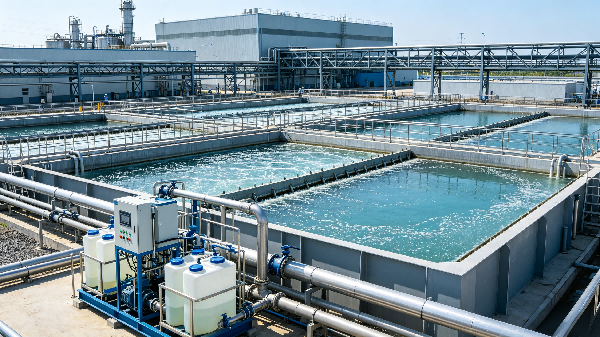
Water & Wastewater Treatment
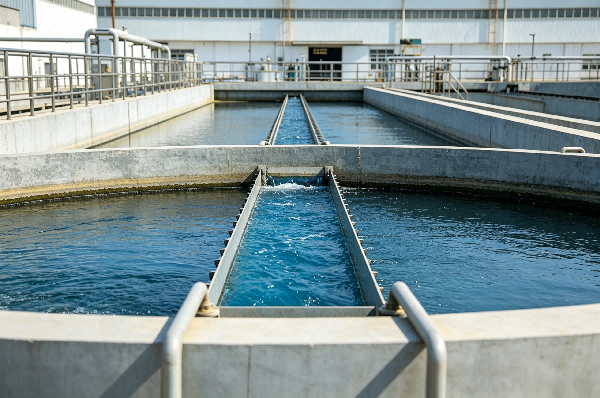
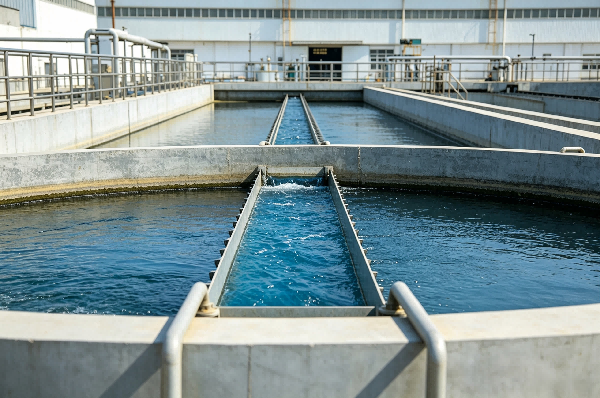
Municipal sewage, industrial effluent (textile, paper, chemical, food). Used as flocculant for clarification and sludge dewatering.
Oil & Gas Industry
Enhanced oil recovery (polymer flooding), drilling mud additive, friction reducer in hydraulic fracturing fluids.
Papermaking
Retention and drainage aid, fiber recovery from white water, and wastewater clarification.
Mining & Mineral Processing
Tailings thickening, coal washing, mineral slurry sedimentation, and red mud clarification.
Packaging: 25 kg multi-wall kraft paper bag with inner polyethylene liner (moisture-proof). Also available in 750 kg bulk bags.
Storage conditions: Store in a cool, dry, well-ventilated area below 35°C, away from direct sunlight and heat sources.
Shelf life: Anionic / Nonionic types: 24 months from production date. Cationic / Amphoteric types: 12 months.
Hygroscopic nature: PAM is moderately hygroscopic. Reseal bag tightly after opening.
Q1: How do I choose the right PAM type for my wastewater?
The choice depends on the characteristics of your wastewater:
Cationic PAM: Best for organic sludge dewatering (municipal sewage, paper mill sludge) and wastewater with high organic content and negative surface charge. The cationic groups neutralize the negative charge of organic colloids, promoting efficient flocculation.
Anionic PAM: Ideal for alkaline wastewater with high suspended solids, such as steel mill wastewater, coal washing plant effluent, and metallurgical process water. It performs best when the suspended particles carry a positive surface charge.
Nonionic PAM: Suitable for acidic wastewater or high-salinity systems where ionic PAM types may be less effective. It is also used in applications where charge interference is a concern.
Amphoteric PAM: Recommended for complex wastewater systems with mixed charge characteristics, such as some industrial effluents containing both organic and inorganic components.
For personalized recommendations, please contact our technical team with your wastewater analysis data.
Q2: What is the recommended dissolution method for PAM powder?
Proper dissolution is critical for optimal PAM performance. Follow these standard guidelines:
Dissolution concentration: 0.1%--0.3% (w/v) is recommended for most applications. Higher concentrations may cause excessive viscosity and difficulty in handling.
Water quality: Use clean, room-temperature water (20--30°C). Avoid using water containing high levels of suspended solids or metal ions, which may interfere with dissolution.
Mixing procedure: Slowly sprinkle the PAM powder evenly into the water while stirring continuously at low to medium speed (100--200 rpm). Avoid adding the powder all at once, as this may cause "fish-eye" clumping.
Dissolution time: Allow 30--60 minutes of gentle stirring for complete dissolution. Do not use high-speed stirring, as it may shear and degrade the polymer molecular chains, reducing flocculation efficiency.
Working solution storage: Use the dissolved solution within 24--48 hours for best results. Extended storage may lead to viscosity degradation and reduced performance.
For large-scale operations, we recommend using automated polymer dissolution and dosing equipment.
Q3: What is the typical dosage of PAM compared to inorganic coagulants?
PAM is significantly more efficient than traditional inorganic coagulants:
| Coagulant Type | Typical Dosage (mg/L) | Relative Efficiency |
| PAC (Polyaluminum Chloride) | 50--200 mg/L | Baseline |
| Aluminum Sulfate | 100--300 mg/L | 0.5--1× PAC |
| Anionic/Cationic PAM | 1--10 mg/L | 10--50× more efficient |
In some raw water treatment applications, PAM dosage can be as low as 1/50 of inorganic coagulants. This translates directly to:
Lower chemical procurement costs
Reduced storage space requirements
Less labor for handling and dosing
Significantly lower sludge volume (20%--25% reduction)
However, PAM is typically used as a flocculant aid alongside inorganic coagulants (e.g., PAC) rather than as a complete replacement. The optimal combination should be determined through jar testing.
Q4: Can Polyacrylamide PAM Polymer for Water Treatment be used with other water treatment chemicals? What is the proper dosing sequence?
Yes, PAM is often used in combination with other treatment chemicals for synergistic effects:
| Compatibility | Chemical Type | Recommendations |
| Compatible | PAC, aluminum sulfate, ferric salts | Can be used in the same treatment train. Add inorganic coagulant first, followed by PAM 1--3 minutes later for optimal flocculation. |
| Compatible | Sodium hydroxide, lime (pH adjustment) | Adjust pH to the optimal range before adding PAM. |
| Incompatible | Strong oxidizing agents (chlorine, ozone, permanganate) | Avoid simultaneous addition, as oxidants may degrade PAM molecular chains. |
| Incompatible | Strong acids (pH < 3) | May cause hydrolysis of amide groups, reducing performance. |
| Caution | Cationic surfactants | May interact with anionic PAM, causing precipitation. Test compatibility before full-scale use. |
General dosing sequence for wastewater treatment:
Adjust pH to optimal range (typically 6--9, depending on PAM type)
Add inorganic coagulant (PAC, alum, etc.) with rapid mixing (1--3 minutes)
Add PAM solution with slow, gentle mixing (3--5 minutes)
Allow floc formation and sedimentation
Always conduct jar tests to determine the optimal dosing sequence and dosage for your specific system.
Q5: Does higher molecular weight always mean better performance?
Not always. Molecular weight should be matched to the specific application:
| Molecular Weight | Characteristics | Best Applications |
| Low--Medium (5--10 million Da) | Lower viscosity, faster dissolution | Low-solids wastewater, clearer effluent, applications requiring rapid dispersion |
| High (10--18 million Da) | Higher viscosity, stronger bridging | High-suspended-solids wastewater, sludge dewatering, mineral processing |
| Ultra-High (18--25 million Da) | Maximum viscosity, strongest flocculation | Enhanced oil recovery (polymer flooding), high-load solid-liquid separation |
Guidelines:
For sludge dewatering: High molecular weight is generally preferred, as it forms larger, more shear-resistant flocs.
For clarification of low-turbidity water: Medium molecular weight is often sufficient and more cost-effective.
For enhanced oil recovery: Ultra-high molecular weight (>20 million Da) is required for effective polymer flooding.
Selecting the optimal molecular weight should be based on jar testing with your actual wastewater or process fluid. Our technical team can assist with product selection.
Q6: How should PAM powder be stored to prevent degradation?
PAM powder is moderately hygroscopic and sensitive to heat and moisture. Follow these storage guidelines:
| Storage Factor | Requirement | Reason |
| Temperature | Below 35°C | High temperatures accelerate polymer degradation |
| Humidity | Below 60% RH | Moisture causes caking and premature hydrolysis |
| Sunlight | Avoid direct exposure | UV radiation can break polymer chains |
| Sealing | Keep bag tightly closed after use | Prevents moisture absorption and contamination |
| Shelf Life |
Anionic/Nonionic: 24 months Cationic/Amphoteric: 12 months |
Cationic grades are more sensitive to degradation |
Handling tips:
Store bags on pallets, away from floor moisture
Use on a first-in, first-out (FIFO) inventory basis
If caking occurs, break apart gently before use—do not use excessive force that may damage polymer chains
Do not store near strong oxidizers or acids
In humid climates, consider using moisture-proof packaging (e.g., lined bags) and dehumidified storage areas.
Address
Wanhong Plaza, Jinan City, Shandong Province, China
Tel