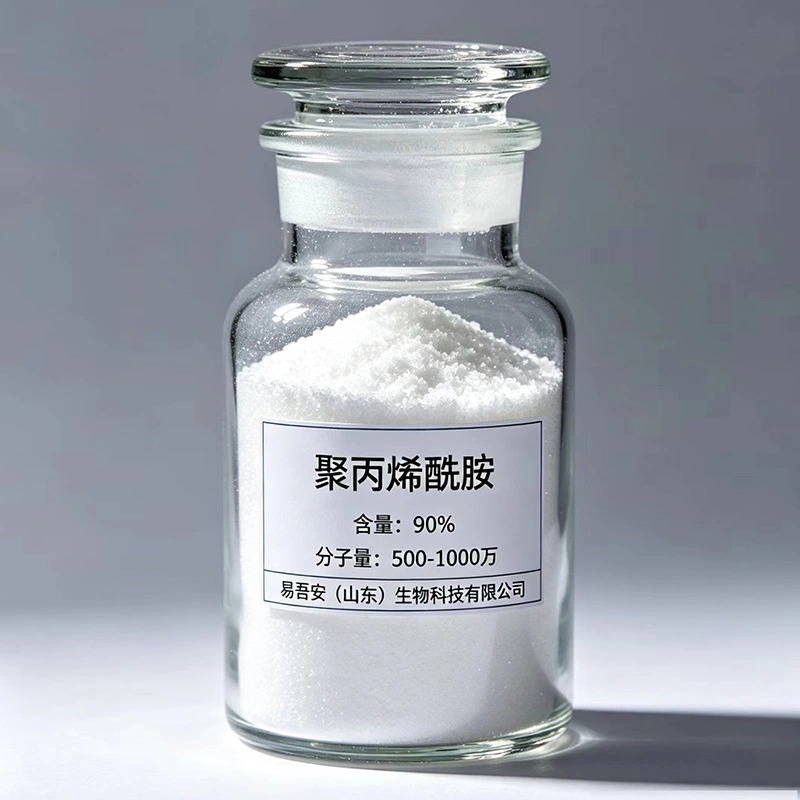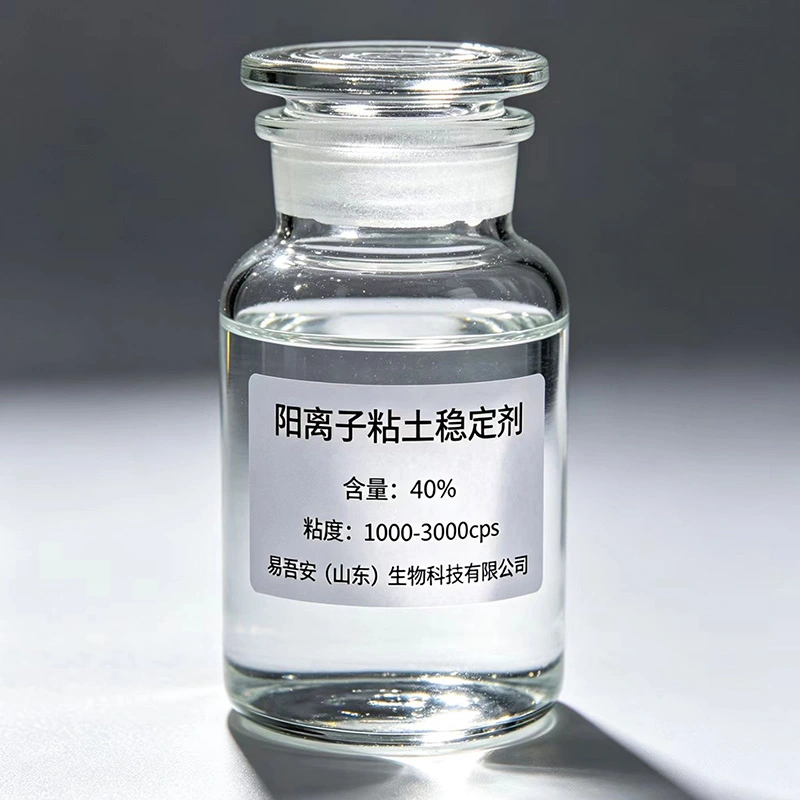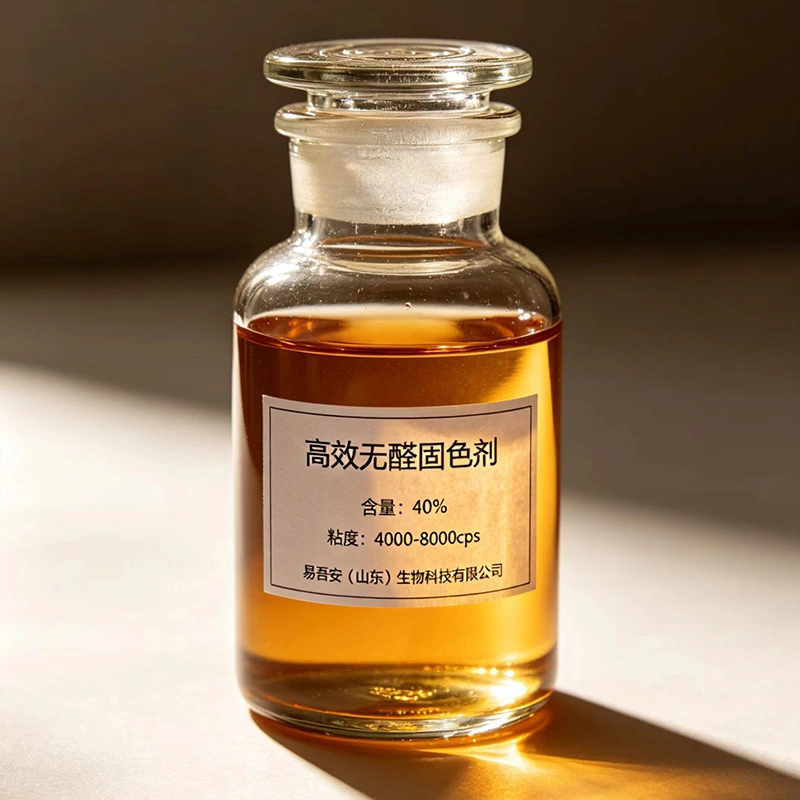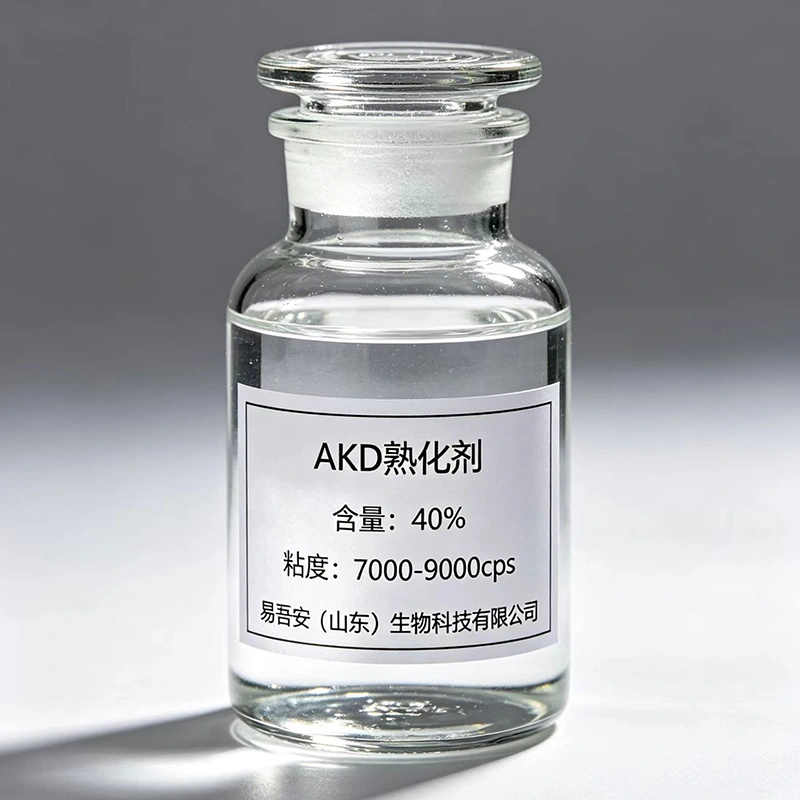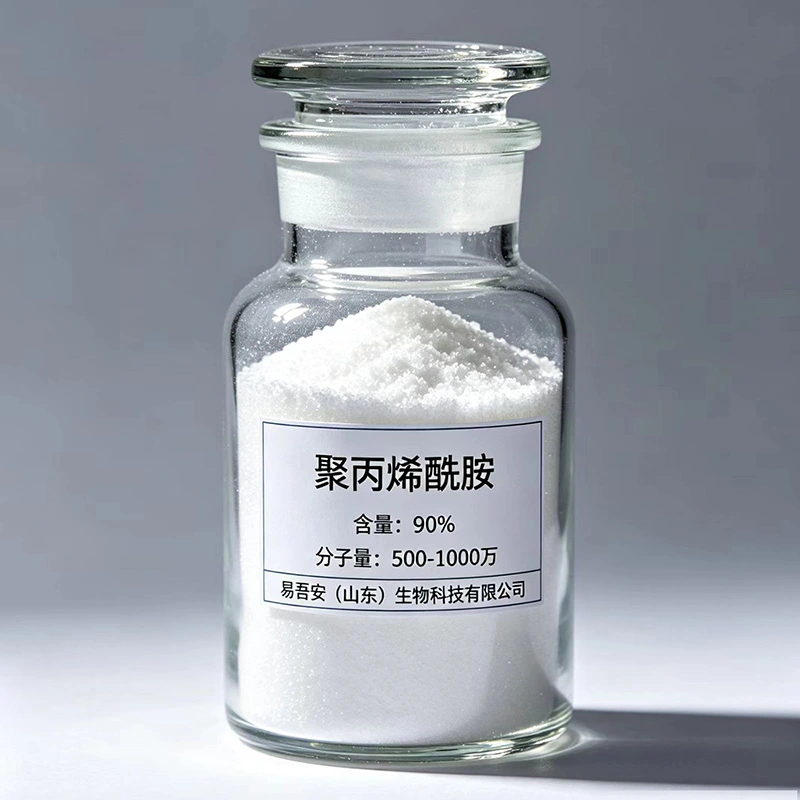
We offer a comprehensive portfolio including DMDAAC, PDMDAAC (liquid and exclusive bead/powder forms), and Polyacrylamide (PAM) series, with an annual production capacity of over 50,000 tons to meet diverse industrial needs.
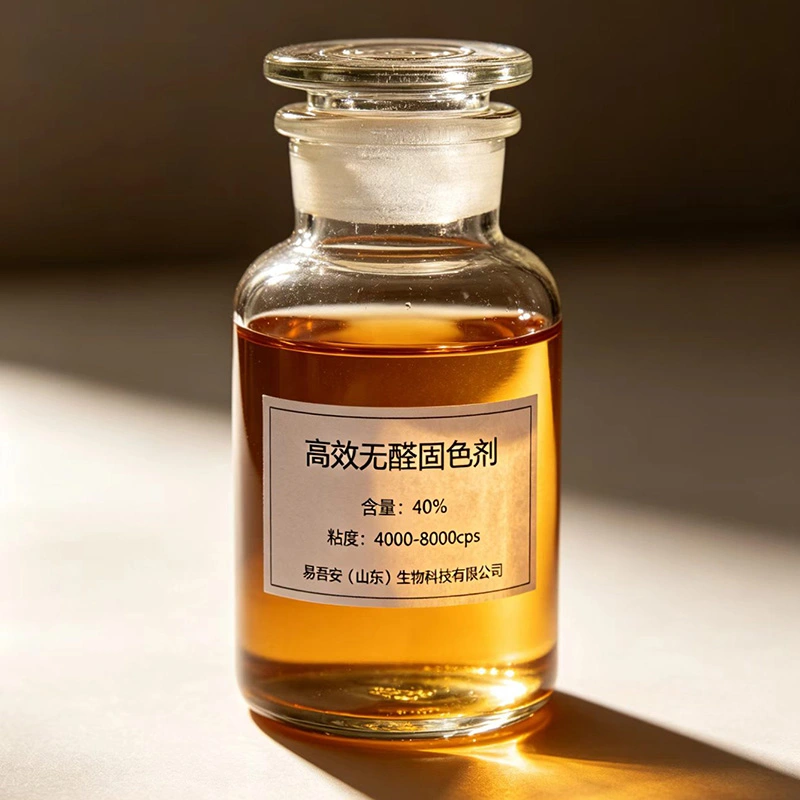
Reactive Dye Fixing Chemical for Textile Processing is a water-soluble, quaternary ammonium cationic polyelectrolyte formulated specifically for the post-treatment of reactive dye dyeing and printing. Unlike conventional fixing agents that rely solely on adsorption, this product features both high-density cationic groups and active cross-linking groups. It utilizes a triple-action fixation system—combining electrostatic adsorption, covalent cross-linking, and high-temperature film formation—to lock the bond between the dye and the fiber at the molecular level.
The product is free from free formaldehyde and harmful APEO substances; it is safe, non-toxic, non-flammable, resistant to acids and alkalis, and highly hydrolytically stable. It has minimal impact on fabric shade and hand-feel and is fully compatible with mainstream processes such as exhaust dyeing, pad dyeing, and printing, serving as a key additive for enhancing the quality and regulatory compliance of high-end export fabrics.
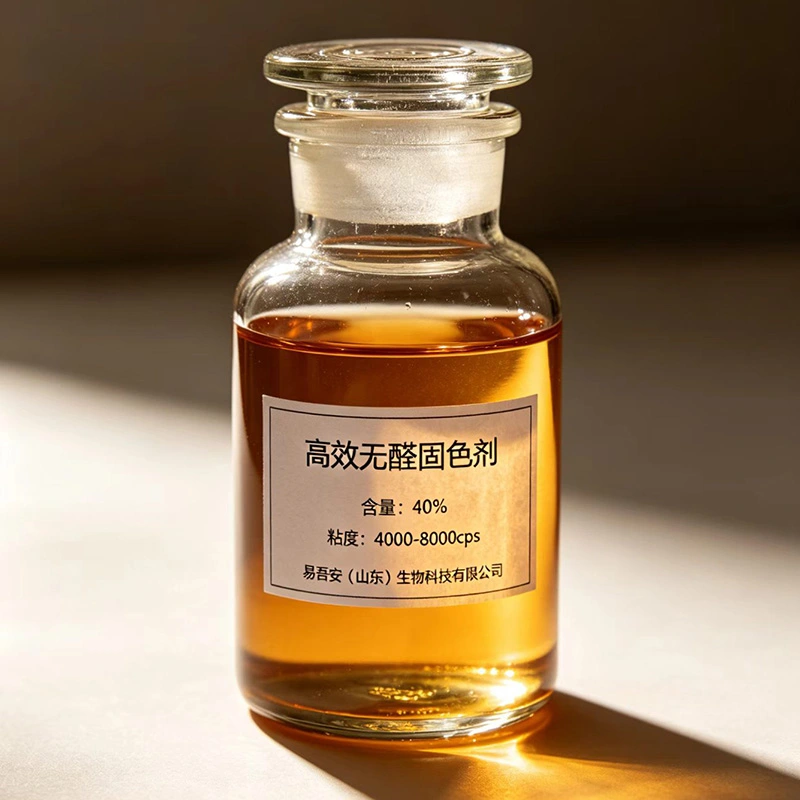
1.1 Basic Definition and Physicochemical Properties
This product is a cross-linking cationic fixing agent designed for textile dyeing and finishing. It appears as a colorless to pale yellow viscous liquid and is classified as a strong cationic polymer. It boasts excellent physicochemical properties, including rapid cold-water solubility, stable aqueous solutions (no gelation), broad pH adaptability, non-flammability, and low corrosivity. It offers exceptional stability during storage and production, making it suitable for standard continuous production in dyeing and printing workshops.
1.2 Eco-friendly and Compliant Product Attributes
We employ a green polymerization process; the finished product contains no free formaldehyde, releases no formaldehyde, and is completely free of APEO (alkylphenol ethoxylate) residues. This effectively eliminates the environmental compliance risks associated with traditional fixing agents, fully meeting the environmental standards of major global textile markets, including Europe, the Americas, and Southeast Asia.
1.3 Working Principle: Triple-Layer Exclusive Fixation
First, electrostatic adsorption and bonding: High-density cationic groups neutralize the anionic groups of reactive dyes to form insoluble lakes, anchoring loose, unfixed dye.
Second, molecular covalent cross-linking: Built-in reactive groups undergo cross-linking reactions with the active sites of the dyes and the hydroxyl groups of the cellulose, establishing a robust, multi-faceted bonding system.
Third, high-temperature self-cross-linking film formation: During drying, molecules spontaneously polymerize to form a high-strength protective film that physically encapsulates and locks in the color; this synergistic triple mechanism ensures highly efficient and durable color fixation.
2.1 Resolving the inherent color-bleeding issues of reactive dyes
Reactive dyes are highly water-soluble and often leave significant unfixed dye residue; conventional washing frequently leads to color bleeding, migration, and staining. This product deeply fixes unreacted dye molecules, fundamentally reducing the tendency for dye to wash off, significantly enhancing wash durability, and solving the industry-wide challenge of substandard color fastness in reactive-dyed fabrics.
2.2 Enhancing quality for dark-colored fabrics
This product is highly compatible with hard-to-fix dark shades, such as scarlet, bright blue, and deep black—effectively improving poor wet-rub fastness and severe wash-fading issues. Significant improvements in fastness are achieved with low dosage, addressing production pain points like high rework rates and inconsistent quality in dark fabrics.
2.3 Simplifying auxiliary systems and reducing inventory costs
This product is not limited to reactive dyes; it is also compatible with direct and acid dye systems, covering a wide range of applications including cellulosic fibers, protein fibers, and blended fabrics. It can replace multiple single-function fixing agents, streamlining auxiliary procurement for dyeing and printing plants and reducing inventory management and stocking costs.
2.4 Compatible with various mass-production processes, boosting efficiency
Reactive Dye Fixing Chemical for Textile Processing is stably compatible with the full spectrum of processes—including exhaust dyeing, pad dyeing, and post-printing finishing—eliminating the need to switch auxiliaries based on the process type. With strong process compatibility and high operational tolerance, it supports high-speed assembly-line production without disrupting production rhythms, facilitating standardized, large-scale manufacturing.
3.1 Impact of Charge Density on Base Fastness
The product's high cationic charge density maximizes the adsorption and neutralization of anionic dyes. Higher charge activity ensures more thorough capture of unfixed dye, leading to significant improvements in the fabric's base wash fastness and dry rubbing fastness; this is crucial for fixing color and enhancing the quality of light- and medium-shade fabrics.
3.2 Impact of Cross-linking Activity on Durability
The presence of specific reactive cross-linking groups distinguishes this product from ordinary fixing agents, enabling covalent bonding between the dye and the fiber rather than simple physical adsorption. A more complete cross-linking reaction results in superior durability against repeated washing, perspiration, and seawater immersion, ensuring the fabric resists fading during long-term wear.
3.3 Impact of Process Temperature and Drying Conditions
A self-cross-linking polymerization reaction occurs during the high-temperature drying stage, forming a dense, high-strength protective film. Achieving the target drying temperature maximizes film formation, significantly boosting wet rubbing fastness and weather resistance; insufficient temperature leads to incomplete film formation and compromised color-fixing performance.
3.4 Impact of Dosage on Finished Product Quality
For cotton fabrics dyed with reactive dyes, a standard dosage of 1%--2% (o.w.f.) is sufficient to meet requirements. Insufficient dosage fails to fully capture unfixed dye or achieve adequate cross-linking, while excessive dosage does not improve fastness and may slightly alter the fabric's hand-feel and shade; precise dosage control is key to consistent product quality.
4.1 Reactive Dye Fixing Solution for Cotton Fabrics
Designed as a primary application, this solution is used in the post-dyeing finishing of pure cotton knitted and woven fabrics dyed with reactive dyes. Utilizing standard exhaust or pad-dyeing processes with a dosage of 1%--2% (o.w.f.), it comprehensively improves wash fastness, dry/wet rubbing fastness, and perspiration fastness. It maintains pure color shades and a soft hand-feel, making it suitable for the mass production of pure cotton fabrics for home textiles and apparel.
4.2 Application Solution for Bast Cellulose Fibers
Bast fiber fabrics are characterized by large porosity and significant residual surface dye, making them highly prone to color bleeding. Leveraging strong adsorption and deep cross-linking capabilities, this product thoroughly fixes residual dyes on both the surface and within the fabric structure. It resolves issues regarding color loss and migration during washing while preserving the fabric's natural breathability and soft hand-feel, ensuring the fabric does not become stiff or stifling.
4.3 Solution for Regenerated Cellulose Fibers
Reactive Dye Fixing Chemical for Textile Processing offers excellent compatibility with fabrics made from regenerated fibers (such as viscose and Modal) dyed with reactive dyes. It precisely locks in free dye molecules within the fine fiber pores, addressing the common issue of poor wet fastness in regenerated fibers. It maintains the fabric's soft texture and vibrant color clarity, making it ideal for the production of high-end regenerated fiber fabrics.
4.4 Universal Solution for Multi-Category Blended Fabrics
Suitable for various blends—such as cotton/linen, cotton/viscose, and nylon/cotton—this product is compatible with multiple dye systems, including reactive, direct, and acid dyes. A single process accommodates diverse fabric types without the need for separate auxiliary adjustments, significantly simplifying the dyeing and printing workflow and ensuring consistent quality in mass production.
5.1 Differences in Environmental Compliance
Traditional fixing agents often contain residual formaldehyde and APEO, posing high testing risks and rendering them unsuitable for high-end export orders. In contrast, this product is free from formaldehyde, APEO, and harmful residues; it eliminates environmental risks at the source, facilitates access to global textile markets, and meets the production standards for high-end export fabrics.
5.2 Differences in Fixing Mechanism and Performance
Conventional cationic fixing agents rely solely on physical adsorption via ionic bonds, causing them to lose effectiveness and color after repeated washing. This product employs a triple-action mechanism—electrostatic adsorption, covalent cross-linking, and high-temperature film formation—providing dual assurance through physical color locking and chemical fixation, resulting in superior color fastness and durability.
5.3 Differences in Fabric Texture and Shade
Traditional cross-linking fixing agents often cause fabric stiffening, shade darkening, and a rough hand-feel. In contrast, this product forms a thin, flexible film; treated fabrics retain their softness and breathability, experience minimal shade shift, and maintain excellent light, perspiration, and seawater fastness, resulting in a superior finished product texture.
5.4 Differences in Process Compatibility and Production Costs
Traditional auxiliaries involve a complex array of products with limited application scope, leading to high inventory and process adjustment costs. Reactive Dye Fixing Chemical for Textile Processing offers broad compatibility across various dyes, fibers, and processes; it requires low dosage, acts quickly, simplifies production workflows, and reduces the overall costs associated with procurement, inventory, and process optimization.
6.1 Manufacturer's Core Quality Control System
As the primary manufacturer, Ewooan implements a comprehensive, closed-loop quality control system. Each batch undergoes rigorous verification of appearance, charge density, cross-linking activity, water solubility, pH stability, and environmental compliance indicators to eliminate issues such as batch-to-batch shade variation, loss of efficacy, or excessive impurities. Shipments include complete quality inspection reports and certificates of conformity, ensuring consistent quality for bulk supplies.
6.2 Core Acceptance Standards for Textile Enterprises
Appearance Standards: Uniform, viscous liquid ranging from colorless to pale yellow; free from phase separation, sedimentation, or impurities.
Performance Standards: Rapidly soluble in cold water without gel formation; high charge density with stable cross-linking activity; meets required standards for fastness improvement after fixation.
Environmental Standards: Zero formaldehyde and zero APEO; compliant with global environmental standards for textiles.
Process Standards: Compatible with various printing and dyeing processes; does not cause stiffening or discoloration, and does not compromise the fabric's inherent fastness properties.
6.3 Standardized Packaging, Storage, and Shelf Life Specifications
Packaging specifications: 125kg PE drums, 200kg PE drums, and IBC totes; supports small-batch sampling, bulk purchasing, and strategic inventory stocking.
Storage conditions: Store in a sealed container within a cool, dry, and well-ventilated warehouse; keep away from light and strong oxidizing agents.
Shelf life: 12 months under standard storage conditions.
Transport attributes: Non-toxic, non-flammable, and non-explosive; classified as non-hazardous goods, facilitating smooth cross-border customs clearance.
6.4 Project Procurement and Technical After-Sales Support
Supports free sample testing, on-site factory process commissioning, and customized formulation ratios for bulk orders. Offers specialized color-fixing solutions for dark-colored fabrics, export-oriented fabrics, and high-end recycled fabrics, with comprehensive technical follow-up to help enterprises improve quality, reduce costs, and mitigate quality inspection risks.
Q1: Can this Reactive Dye Fixing Chemical be used for export textile fabrics?
Yes. Produced using a green synthesis process, this product contains no free formaldehyde, releases no formaldehyde, and has zero APEO residue. It fully complies with environmental access standards for textiles in major global markets—including Europe, the US, and Southeast Asia—poses no risk of exceeding testing limits, and is suitable for high-end export production orders.
Q2: Which dyes and fabrics is it primarily compatible with, and how does it perform on dark fabrics?
It is primarily compatible with reactive dyeing and printing processes for cotton, linen, and recycled fibers; it is also compatible with direct dyes, acid dyes, and blended or protein-fiber fabrics. It delivers outstanding quality improvements for hard-to-fix dark shades—such as bright red, emerald blue, and deep black—effectively resolving industry-wide issues regarding poor wet fastness in dark colors.
Q3: Will its use affect the fabric's hand-feel, shade, or light fastness?
No. Reactive Dye Fixing Chemical for Textile Processing forms a thin, breathable film; treated fabrics remain soft to the touch without stiffening. Shade shift is minimal, preserving the fabric's original color and texture. Furthermore, it does not compromise light fastness, perspiration fastness, or seawater immersion fastness, ensuring comprehensive quality for the finished fabric.
Q4: What are the standard dosage rates and applicable production processes?
The standard dosage for cotton fabrics is 1%--2% (o.w.f.). Compatible with the full range of processes—including exhaust dyeing, pad dyeing, printing, and finishing—it offers broad production adaptability without requiring equipment modifications. The process is easy to implement, making it ideal for large-scale assembly-line production in dyeing and printing plants.
Q5: What is the product's storage stability and capacity for bulk supply?
This product features stable physicochemical properties, with a shelf life of 12 months when stored in a sealed container in a cool, shaded area; it remains stable during long-term storage without phase separation, loss of efficacy, or gelation. As the original manufacturer, Ewooan maintains ready stock and supports large-scale, long-term supply, as well as customized packaging and formulations, backed by comprehensive quality control and technical services.
Address
Wanhong Plaza, Jinan City, Shandong Province, China
Tel