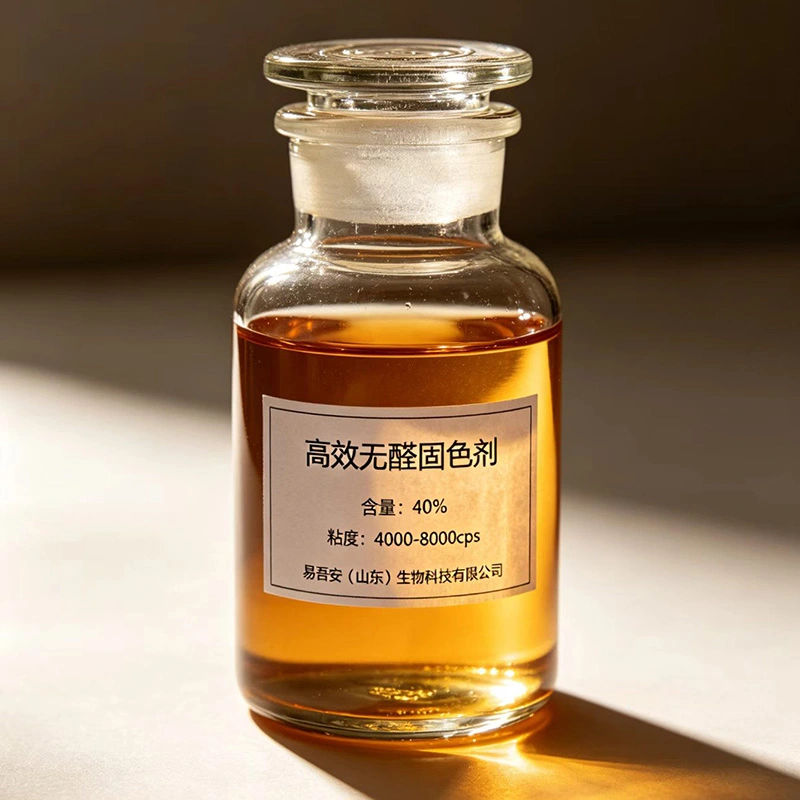
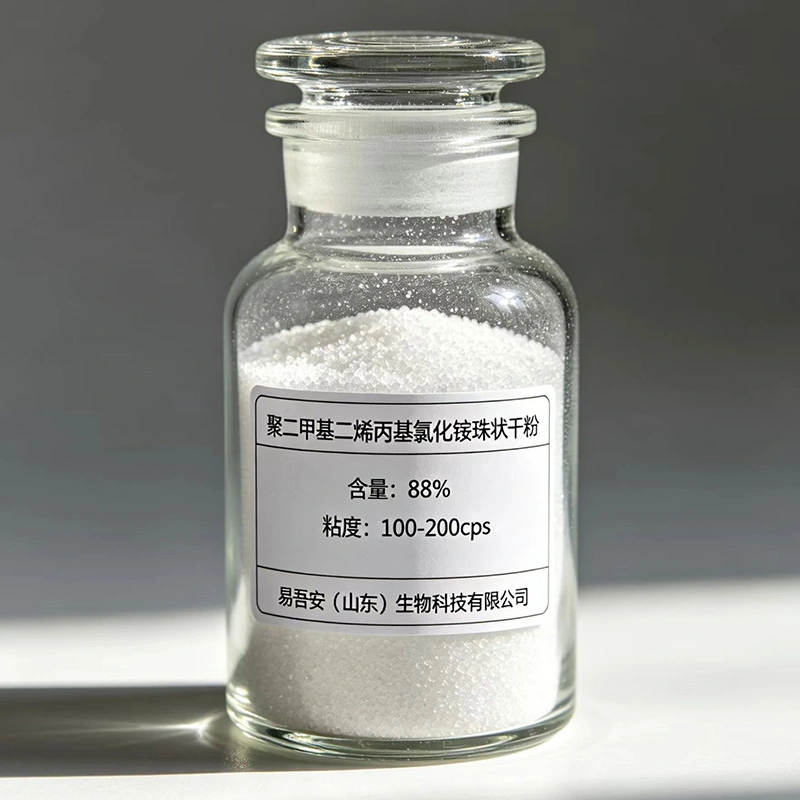
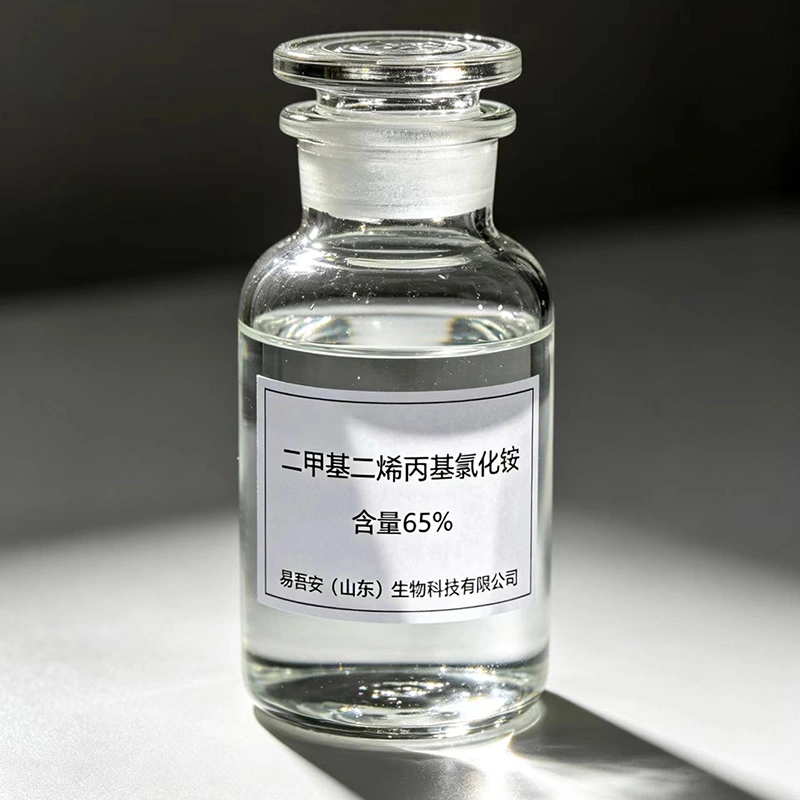
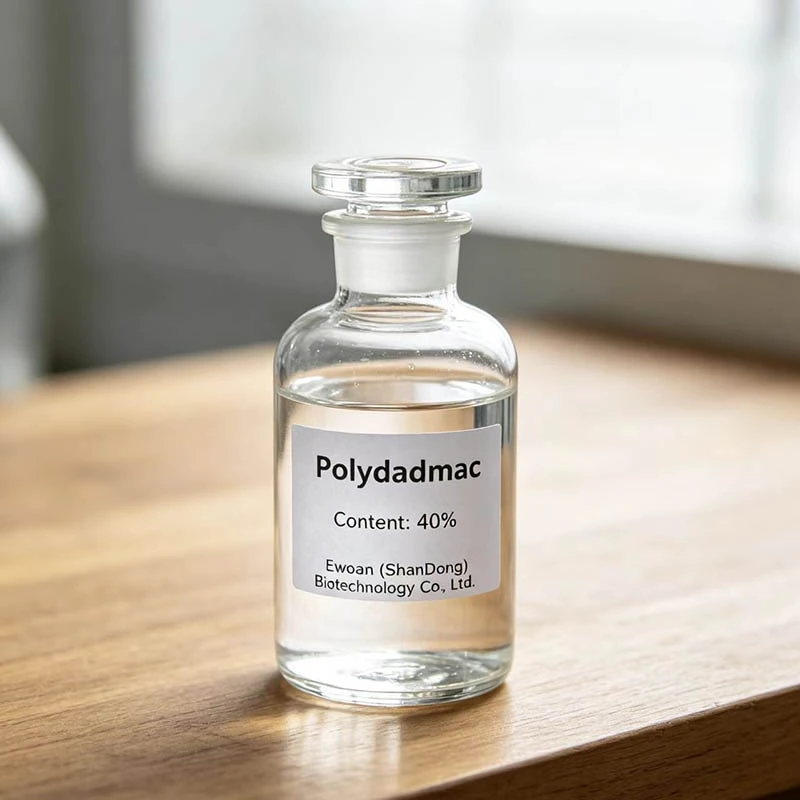
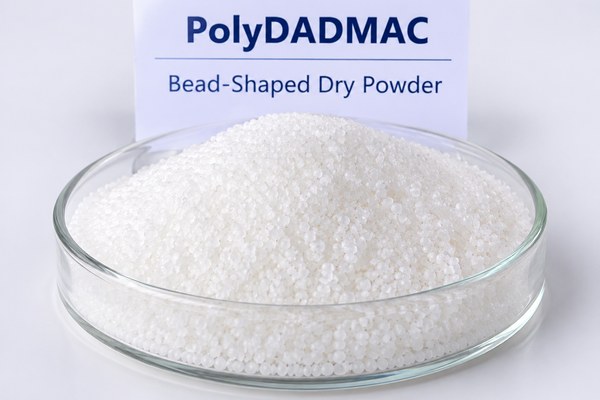
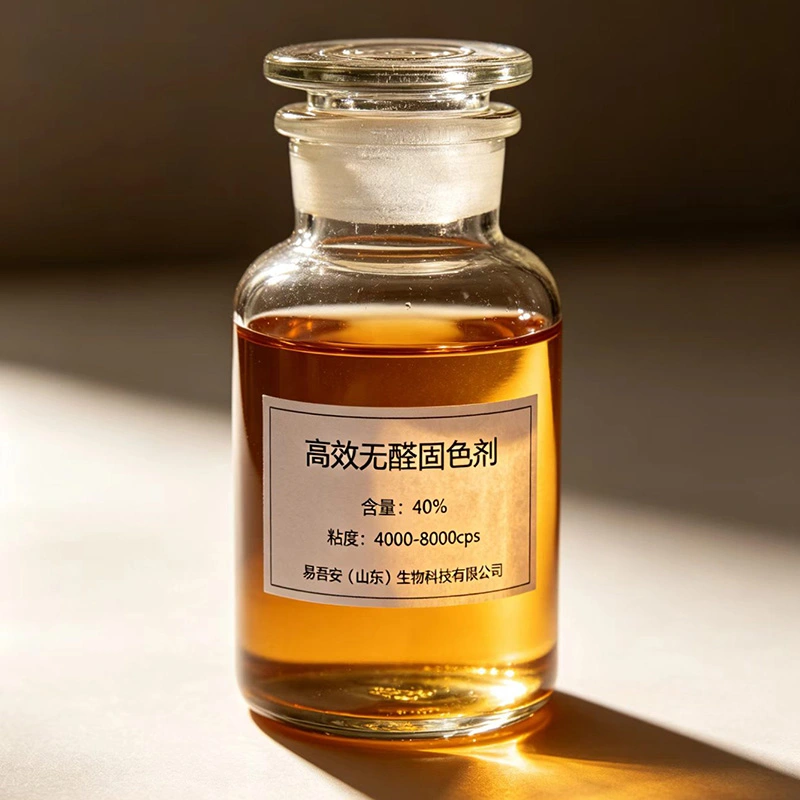
In modern textile manufacturing, achieving excellent color fastness while maintaining fabric softness and environmental compliance is essential for producing high-quality dyed fabrics. Ewooan provides advanced Reactive Dye Fixing Chemical for Textile Processing, a formaldehyde-free and APEO-free cationic polymer solution designed to improve dye fixation, reduce color bleeding, and enhance the durability of reactive-dyed textiles. With its innovative triple-action fixation mechanism and compatibility with multiple dyeing processes, this chemical helps textile manufacturers improve production consistency, meet international market requirements, and optimize finishing performance.
Reactive dye fixation is a critical stage in textile dyeing and finishing. Although reactive dyes offer brilliant colors and strong chemical bonding with cellulose fibers, unfixed dye molecules can cause color bleeding, staining, and poor wet rubbing fastness. This article explores how advanced reactive dye fixing chemicals work, their major technical advantages, suitable textile applications, recommended processing conditions, and the quality standards manufacturers should consider when selecting a reliable supplier.
It also explains why formaldehyde-free, APEO-free cross-linking agents are becoming increasingly important for textile mills seeking consistent product quality and environmentally responsible manufacturing.
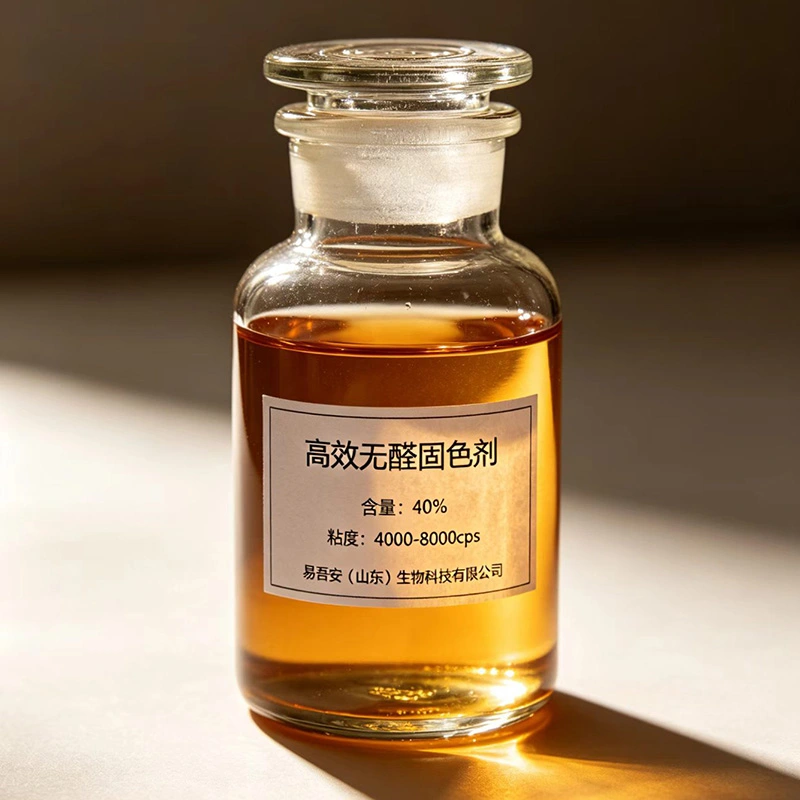
Reactive Dye Fixing Chemical for Textile Processing is a specialized textile auxiliary used during the post-dyeing treatment of fabrics colored with reactive dyes. Its primary function is to capture residual unfixed dye molecules and improve their resistance to washing, rubbing, and other conditions that may cause color loss.
Unlike conventional fixing agents that mainly depend on physical adsorption, advanced cross-linking fixing chemicals combine cationic polymer structures with reactive functional groups. This enables them to provide more comprehensive fixation performance.
Ewooan's product is a water-soluble quaternary ammonium cationic polyelectrolyte designed for reactive dyeing and printing applications. Its principal characteristics include:
These properties make the product suitable for textile mills that require stable processing performance, improved color fastness, and reliable finishing quality.
The effectiveness of a modern reactive dye fixing agent depends largely on how it interacts with unfixed dye molecules and textile fibers. Ewooan's formulation uses a coordinated triple-action fixation mechanism to improve dye retention and finishing durability.
Reactive dyes generally contain anionic groups, while the fixing agent contains positively charged cationic groups. These opposite charges attract each other, allowing the polymer to capture residual dye molecules that remain after the dyeing and washing stages.
This interaction helps reduce the amount of mobile dye on the fabric surface, lowering the risk of staining and color transfer during subsequent washing.
In addition to electrostatic adsorption, the product contains reactive functional groups that contribute to cross-linking interactions within the dye-fiber finishing system. These interactions help build a more durable fixation structure and improve resistance to repeated washing.
Compared with fixing agents that rely exclusively on physical adsorption, cross-linking technology provides an additional mechanism for maintaining color retention.
During the drying and heat-treatment stage, the polymer can undergo further self-cross-linking and form a thin protective film. This film helps physically retain residual dye and contributes to improved wet rubbing performance.
The combined effects of adsorption, cross-linking, and film formation provide a comprehensive approach to improving textile color fastness.
Choosing the right textile fixing chemical can directly influence finished fabric quality, production efficiency, and customer satisfaction. The major benefits include the following.
Unfixed reactive dyes are a common cause of color bleeding and staining. An effective fixing agent captures residual dye and helps improve washing and rubbing fastness. This is particularly valuable for fabrics that undergo frequent washing or intensive use.
Deep black, bright red, emerald blue, and other highly saturated shades can present significant challenges during finishing. Excess unfixed dye may result in poor wet rubbing performance and visible color transfer.
High-charge-density fixing chemicals help capture residual dye more efficiently, supporting more consistent finishing results for demanding dark-color applications.
Excessive chemical application or unsuitable fixing formulations can affect fabric hand-feel and color appearance. A properly selected fixing agent forms a thin protective layer while minimizing undesirable changes in fabric softness, breathability, and shade.
Broad compatibility with different dye systems and fiber types can reduce the need for multiple specialized finishing chemicals. This helps textile manufacturers simplify auxiliary procurement, inventory management, and production planning.
Stable water solubility, broad pH adaptability, and compatibility with mainstream dyeing processes help manufacturers establish repeatable finishing procedures and reduce unnecessary production adjustments.
Reactive Dye Fixing Chemical for Textile Processing is especially useful for cellulose-based fabrics and selected blended textile materials. Its broad application potential makes it suitable for various dyeing and finishing operations.
Cotton is one of the most common substrates for reactive dyeing. The fixing agent is used in post-dyeing treatment to improve washing, rubbing, and perspiration fastness. It is suitable for knitted and woven cotton fabrics used in clothing, towels, bedding, and home textiles.
Linen and other bast fibers have distinctive fiber structures and may retain residual surface dye after dyeing. An appropriate fixing treatment helps reduce color loss and migration while preserving the natural softness and breathability of the fabric.
Regenerated cellulose fibers such as viscose and Modal are widely used in lightweight garments and premium textile products. Their fiber characteristics can make wet fastness improvement particularly important. Advanced cationic fixing agents help reduce dye migration and improve finished fabric performance.
Textile manufacturers frequently process cotton/linen, cotton/viscose, and other blended materials. The compatibility of a fixing chemical with different fiber and dye systems provides greater flexibility in finishing operations.
| Fabric Type | Common Processing Challenge | Fixing Chemical Benefit | Typical Application |
|---|---|---|---|
| Pure Cotton | Residual dye and washing color loss | Improved washing and rubbing fastness | Apparel and home textiles |
| Linen | Surface dye retention and color migration | Better dye retention and color stability | Fashion and decorative fabrics |
| Viscose | Wet rubbing and washing fastness challenges | Improved fixation and reduced dye migration | Premium clothing and lightweight fabrics |
| Modal | Maintaining color quality and soft hand-feel | Enhanced color retention | Underwear and premium garments |
| Blended Fabrics | Different fiber and dye compatibility requirements | More flexible finishing management | Multi-fiber textile products |
Even high-performance textile auxiliaries require appropriate process control. Several factors influence the final fixation result.
Cationic charge density determines the ability of a polymer to interact with anionic dye molecules. Appropriate charge characteristics support efficient adsorption and improve the removal or immobilization of residual dye during finishing.
The chemical activity of cross-linking groups affects the durability of the fixation structure. Adequate reaction conditions are important for obtaining consistent results, particularly when fabrics require repeated washing or enhanced wet rubbing resistance.
Temperature influences the development of the protective polymer film. If the drying conditions are insufficient, film formation and cross-linking may be incomplete. Manufacturers should establish suitable temperature and drying parameters through laboratory trials and production verification.
Dosage should be selected according to fabric composition, dye concentration, shade depth, and processing conditions. Insufficient application may limit fixation efficiency, while excessive application can increase costs and potentially affect fabric hand-feel or shade.
Correct application is essential for achieving reliable color fixation. For cotton fabrics dyed with reactive dyes, Ewooan recommends a standard dosage range of 1%–2% on weight of fabric (o.w.f.). The exact dosage should be determined according to actual fabric requirements and laboratory testing.
| Processing Parameter | Recommended Information | Technical Consideration |
|---|---|---|
| Application Stage | Post-dyeing finishing | Apply after appropriate dyeing and washing procedures |
| Reference Dosage | 1%–2% o.w.f. for cotton | Adjust according to fabric and shade requirements |
| Exhaust Process | Compatible | Optimize bath conditions and treatment time |
| Pad Dyeing | Compatible | Control padding uniformity and chemical concentration |
| Printing Finishing | Compatible | Verify formulation compatibility before production |
| Drying | Controlled heat treatment | Ensure suitable film formation conditions |
Practical application recommendations:
Actual processing parameters should be confirmed through technical consultation and production trials rather than applying one fixed formula to every textile substrate.
Environmental compliance has become an important purchasing consideration for international textile manufacturers. Export-oriented businesses must pay increasing attention to restricted substances, chemical safety, and supply-chain transparency.
Ewooan's Reactive Dye Fixing Chemical for Textile Processing is formulated without free formaldehyde and APEO, making it a suitable option for manufacturers seeking to reduce these specific chemical compliance concerns.
Its major environmental and operational advantages include:
However, manufacturers should always evaluate the complete chemical formulation, relevant test reports, and applicable restricted-substance requirements for their destination markets. A formaldehyde-free or APEO-free declaration alone does not replace finished-fabric testing or full regulatory verification.
For textile factories purchasing fixing chemicals in bulk, product consistency is just as important as initial performance. Differences in charge density, solubility, or cross-linking activity between batches can affect production stability and finished fabric quality.
A professional manufacturer should maintain a systematic inspection process covering important physicochemical and application properties.
Ewooan applies a batch quality control system that checks these key indicators and provides quality inspection documentation and certificates of conformity to support bulk procurement.
| Item | Specification |
|---|---|
| 125 kg Packaging | PE Drum |
| 200 kg Packaging | PE Drum |
| Bulk Packaging | IBC Tote |
| Recommended Storage | Cool, dry, and well-ventilated warehouse |
| Storage Requirement | Keep containers sealed and away from direct light and strong oxidizing agents |
| Shelf Life | 12 months under standard storage conditions |
Before placing a large-volume order, textile manufacturers should evaluate several important purchasing factors:
As an experienced chemical manufacturer and supplier, Ewooan supports free sample testing, customized formulation ratios, technical process consultation, and bulk procurement requirements. These services help textile mills evaluate product suitability before expanding to standardized production.
For additional information about the company's capabilities, visit Ewooan's official website or explore its textile auxiliary chemicals product category.
Its primary function is to capture residual unfixed dye molecules after reactive dyeing and improve the color fastness of finished fabrics. It helps reduce color bleeding, staining, and color loss during washing and rubbing.
Yes. It is suitable for reactive-dyed cotton, linen, viscose, and Modal fabrics. It can also be evaluated for selected blended materials and other compatible dye systems. Laboratory testing is recommended before large-scale application.
No. Ewooan's formulation is free from free formaldehyde and APEO. It is designed for textile manufacturers seeking environmentally responsible finishing chemicals and improved control of restricted-substance risks.
The standard reference dosage is 1%–2% on weight of fabric (o.w.f.) for cotton fabrics dyed with reactive dyes. The precise amount should be adjusted according to the fabric structure, dye concentration, shade depth, and required color fastness.
Yes. The product is compatible with mainstream textile finishing methods, including exhaust dyeing, pad dyeing, and printing-related finishing. Appropriate process parameters should be established through application testing.
When used at an appropriate dosage under suitable processing conditions, the product forms a thin protective film designed to minimize negative effects on fabric softness and original shade. Actual results depend on the fabric, dye system, and finishing conditions.
Standard packaging options include 125 kg PE drums, 200 kg PE drums, and IBC totes. The stated shelf life is 12 months under standard storage conditions when containers are properly sealed and stored in a cool, dry environment.
Yes. Ewooan supports free sample testing, technical consultation, customized formulation ratios, and bulk procurement services. Buyers can discuss their fabric types, dyeing processes, dosage requirements, and packaging preferences with the technical and sales team.
Reliable color fixation is essential for textile manufacturers aiming to deliver durable, attractive, and environmentally responsible fabrics. Advanced Reactive Dye Fixing Chemical for Textile Processing offers an effective approach to improving dye retention through electrostatic adsorption, molecular cross-linking, and protective film formation.
With its formaldehyde-free and APEO-free formulation, broad compatibility with textile dyeing processes, and suitability for cotton, linen, regenerated cellulose, and selected blended fabrics, Ewooan provides a practical chemical solution for modern dyeing and finishing operations.
Whether you are looking to improve dark-shade wet rubbing fastness, reduce washing color loss, optimize textile auxiliary procurement, or establish a more consistent finishing process, selecting a reliable manufacturer is an important step. Contact Ewooan today to discuss your application requirements, request free samples, obtain technical recommendations, and receive a competitive quotation for Reactive Dye Fixing Chemical for Textile Processing. Visit our product page or contact us to explore a suitable solution for your textile manufacturing business.