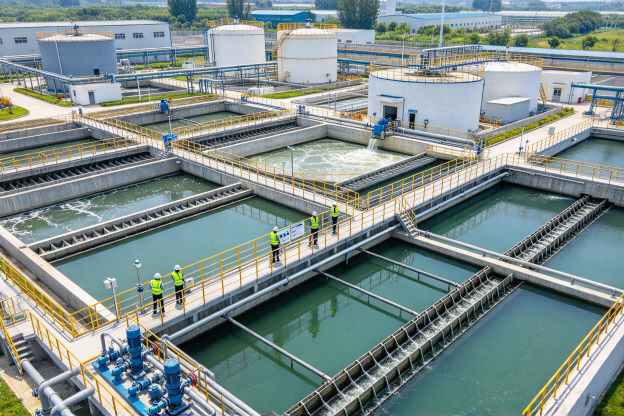
Industrial effluents exhibit heterogeneous physicochemical properties, contingent upon production workflows and raw feedstock. This paper delineates pollutant matrices of textile, pulp & paper, petrochemical and mineral processing wastewater, elucidates coagulation-flocculation, advanced oxidation and solid-liquid separation mechanisms, and provides technical frameworks for reagent selection to satisfy effluent discharge criteria and mitigate OPEX.
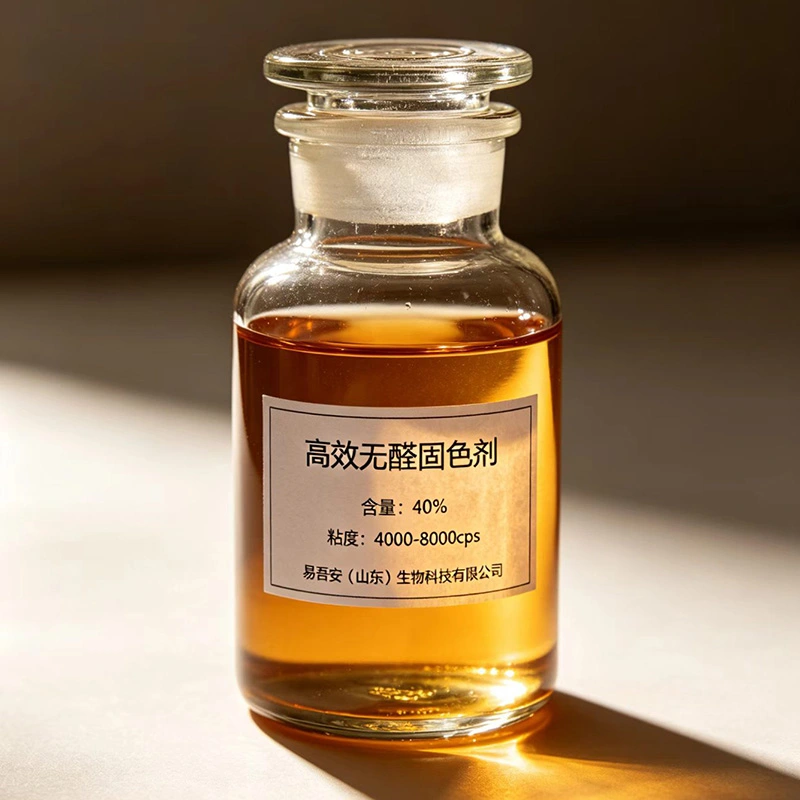
Reactive Dye Fixing Chemical for Textile Processing plays an important role in controlling dye migration, improving wash durability, and maintaining the appearance of finished fabrics. Ewooan develops this formaldehyde-free and APEO-free fixing solution for textile manufacturers that need stable post-dyeing performance across cotton, linen, viscose, Modal, and blended fabrics. Its cationic polymer structure is designed for efficient fixation while supporting modern export-oriented textile production.
Colloidal fouling of RO membranes causes reduced permeate flow, frequent cleaning and shorter membrane life. This article explains how PolyDADMAC works to remove colloids and lower feed SDI via charge neutralization and adsorption bridging, cutting OPEX and extending membrane lifespan.
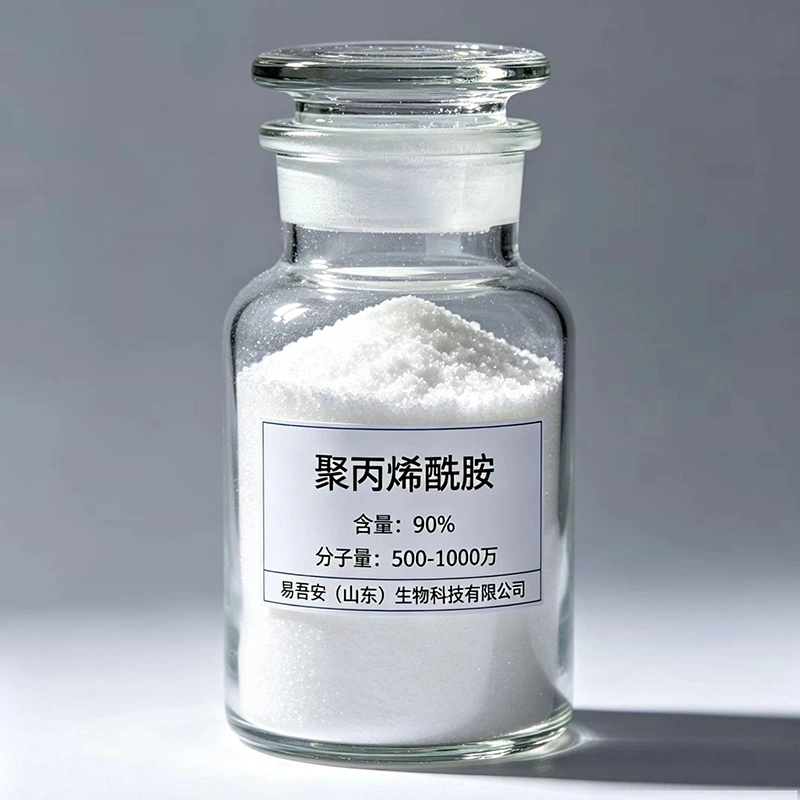
Cationic polyacrylamide is widely used for organic wastewater treatment and sludge dewatering because its positively charged polymer chains can interact with negatively charged suspended solids and colloids. Ewooan provides adjustable cationic products designed for different wastewater characteristics, with molecular weights of 6–12 million Daltons, cationic degrees of 10%–70%, solid content of ≥88%, and a reported operating pH range of 1–14. Understanding its working mechanism, selection factors, applications, and handling requirements can help industrial users improve solid-liquid separation and optimize chemical consumption.
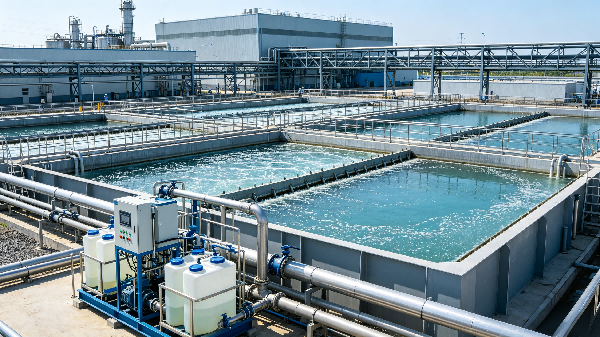
Polymer flocculants are widely applied in wastewater treatment, sludge dewatering and water reuse. Improper selection results in weak flocculation, high chemical dosage and fluctuating effluent quality. This article introduces applicable scenarios of different ionic flocculants according to water quality and processes, sorts out typical mistakes and customized matching solutions to help enterprises cut water treatment costs.
We use cookies to offer you a better browsing experience, analyze site traffic and personalize content. By using this site, you agree to our use of cookies. Privacy Policy
 09 2026-10
  24 2026-09
  17 2026-09
  17 2026-09
  10 2026-09